ASTM D1401 Failure: Diagnose the Cause Before You Change the Oil
A failing ASTM D1401 result means your oil is not releasing entrained water under laboratory conditions. It does not mean your system is failing. Demulsibility is the ability of an oil to release entrained water; it is distinct from emulsibility, the ability to form a stable emulsion—a desirable property in certain metalworking fluids and specific system designs. ASTM D1401 measures the time for an oil-water mixture to separate into distinct oil and water layers at a specified temperature, reported as oil/water/emulsion volumes over time. A typical pass criterion is at least 40 mL oil, 37 mL water, and no more than 3 mL emulsion after 30 minutes at 54°C.
That number is a snapshot under lab conditions. It does not measure water ingress rate, sump turnover, or system residence time. A fail number alone cannot tell you whether the oil is causing harm in service. The correct response depends on whether the root cause is contamination, additive depletion, or oxidation. Before you spend money on an oil change or an additive, identify which problem you have.
Why Water Separation Matters in Engines, Gearboxes, Transmissions, and Hydraulics
Water ingress mechanisms differ by application, and each produces a different water load and contaminant profile.
- Engine oils: combustion blow-by, crankcase condensation during thermal cycling, and coolant leaks. Glycol contamination is particularly damaging because glycol is surface-active and destabilizes the oil-water interface.
- Gear oils: condensation during thermal cycling and washdown.
- Transmission fluids: cooler leaks and condensation.
- Hydraulic systems: reservoir breathing, seal ingress, and steam or washdown.
A glycol leak is not the same problem as condensation. Glycol contamination requires stopping the leak and removing the contaminant; condensation may be managed with breathers and dehydration. The rate of water ingress relative to sump turnover determines whether a marginal D1401 result is a real problem or a non-issue. A system with low ingress and long residence time may tolerate a marginal result; a high-ingress system with rapid turnover needs robust demulsibility. Systems with inherently high water exposure—washdown environments, high-humidity fleets, engines with coolant weep—need oils formulated with robust demulsibility, not just a passing lab number.
Reading ASTM D1401 Results in Context: Separation Time vs. System Residence Time
ASTM D1401 reports oil/water/emulsion volumes at timed intervals, typically 30 or 60 minutes. A pass is usually defined as a specified minimum oil and water separation with minimal residual emulsion. But a result that fails a 30-minute lab criterion may still be acceptable in a system with low water ingress and long residence time—the oil has time to separate in the sump. Conversely, a marginal pass may be inadequate in a high-ingress system with rapid turnover, where water never has time to separate before it circulates again.
Trend monitoring is more diagnostic than any single result. Comparing D1401 results over successive samples reveals whether demulsibility is declining gradually—pointing to oxidation or additive depletion—or has dropped suddenly, indicating a contamination event. Sudden vs. gradual decline is the key fork in the diagnostic tree: sudden failure points to contamination; gradual decline points to oil degradation. Without a baseline and trend, you are guessing.
Root Cause Analysis: Contamination, Additive Depletion, Oxidation, or Base Oil Degradation
- Contamination: coolant/glycol ingress, cleaning fluid residue, or cross-contamination with a different lubricant can destabilize the oil-water interface and cause sudden demulsibility failure. Glycol is particularly damaging because it is surface-active.
- Additive depletion: demulsifiers and other surface-active additives are consumed over time; depletion is gradual and typically shows as a slow decline in D1401 performance.
- Oxidation: oxidized base oil and additive breakdown products increase polarity and emulsify water more readily; oxidation is usually accompanied by increases in viscosity, acid number, and varnish potential.
- Base oil degradation: thermal stress and shear can alter base oil composition, but this is rarely the primary cause unless the oil is severely degraded.
Distinguishing the cause requires correlating D1401 with other tests: glycol presence (FTIR or coolant test), acid number, viscosity, oxidation induction time, and additive element concentrations. If glycol is present, you have a contamination problem. If acid number and viscosity are rising without glycol, you have oxidation. If all other tests are normal but demulsibility has declined gradually, additive depletion is likely.
Decision Framework: Oil Change, Dehydration, Coalescer, or Additive Correction
- Contamination (glycol, cleaning fluid): stop the ingress and remove the contaminant. Oil change or targeted flush may be required. Additives will not fix a contamination problem and can worsen it.
- Additive depletion without significant oxidation or contamination: vacuum dehydration or coalescer treatment can remove water and extend oil life, but the depleted demulsifier package will not regenerate. Monitor and plan for change.
- Oxidation: the oil is degraded and should be changed. Dehydration will not reverse oxidation, and additive top-treat will not restore oxidized base oil.
Aftermarket demulsibility additives are usually the wrong answer: they can destabilize the existing additive package, compete with or deplete other surface-active components, and may void OEM approvals or lubricant manufacturer warranties. The decision tree: confirm root cause → stop ingress if contamination → choose oil change vs. dehydration based on oxidation and additive status → never add aftermarket demulsifiers without manufacturer approval.
How Demulsibility Interacts with Other Lubricant Properties
Demulsibility and emulsibility are opposing properties: formulations that promote rapid water separation may be unsuitable for systems that require stable emulsions (e.g., certain metalworking fluids, some hydraulic systems with intentional emulsification). Demulsifiers are surface-active additives; increasing demulsifier treat rate can compete with anti-wear, corrosion inhibitor, and other surface-active additives, potentially degrading those performance areas. Oxidation stability and demulsibility are linked: as the oil oxidizes, polar degradation products act as emulsifiers, so an oil with poor oxidation stability will lose demulsibility faster in service.
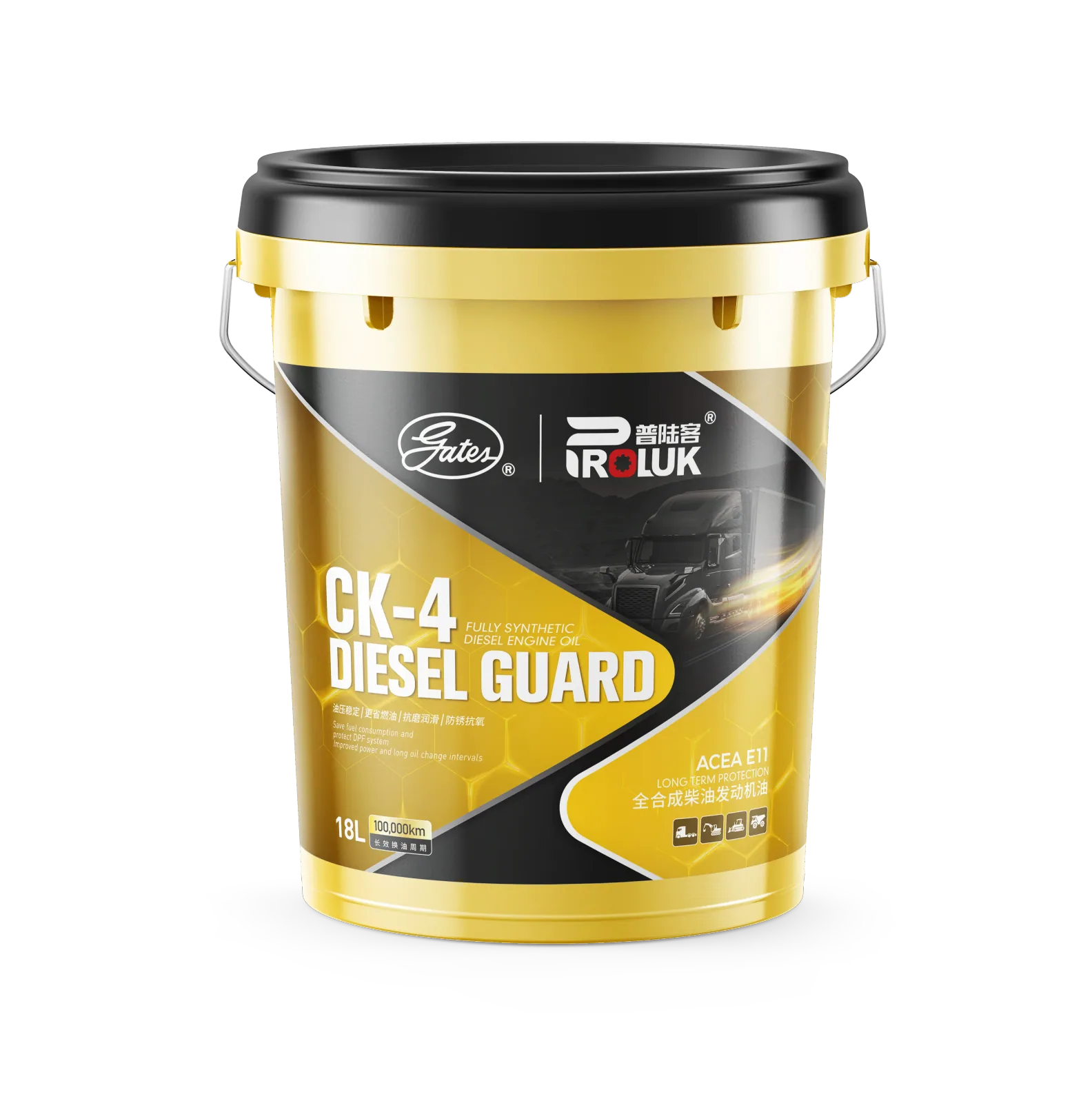
OEM specifications and lubricant manufacturer data sheets define the required balance for each application. Select oils that meet the OEM spec rather than trying to optimize a single property. For heavy-duty diesel engines, API CK-4 oils like our CK-4 10W-40 18L are formulated to balance oxidation stability, anti-wear, and water separation. For gearboxes, GL-5 75W-90 18L meets the demands of hypoid gears while managing condensation. Always verify that the product meets the OEM specification for your application.
Selecting Lubricants with Inherently Good Demulsibility
OEM specifications (engine oil, gear oil, transmission fluid) define minimum performance requirements that typically include water separation or demulsibility for applications where water ingress is expected. Lubricant manufacturer data sheets may report ASTM D1401 results or equivalent water separation data; look for this data and compare it to your system's water-ingress profile. For high water-ingress applications (washdown, high-humidity, coolant-weep engines), select oils with demonstrated demulsibility performance and consider system modifications (breathers, filtration) to reduce ingress.
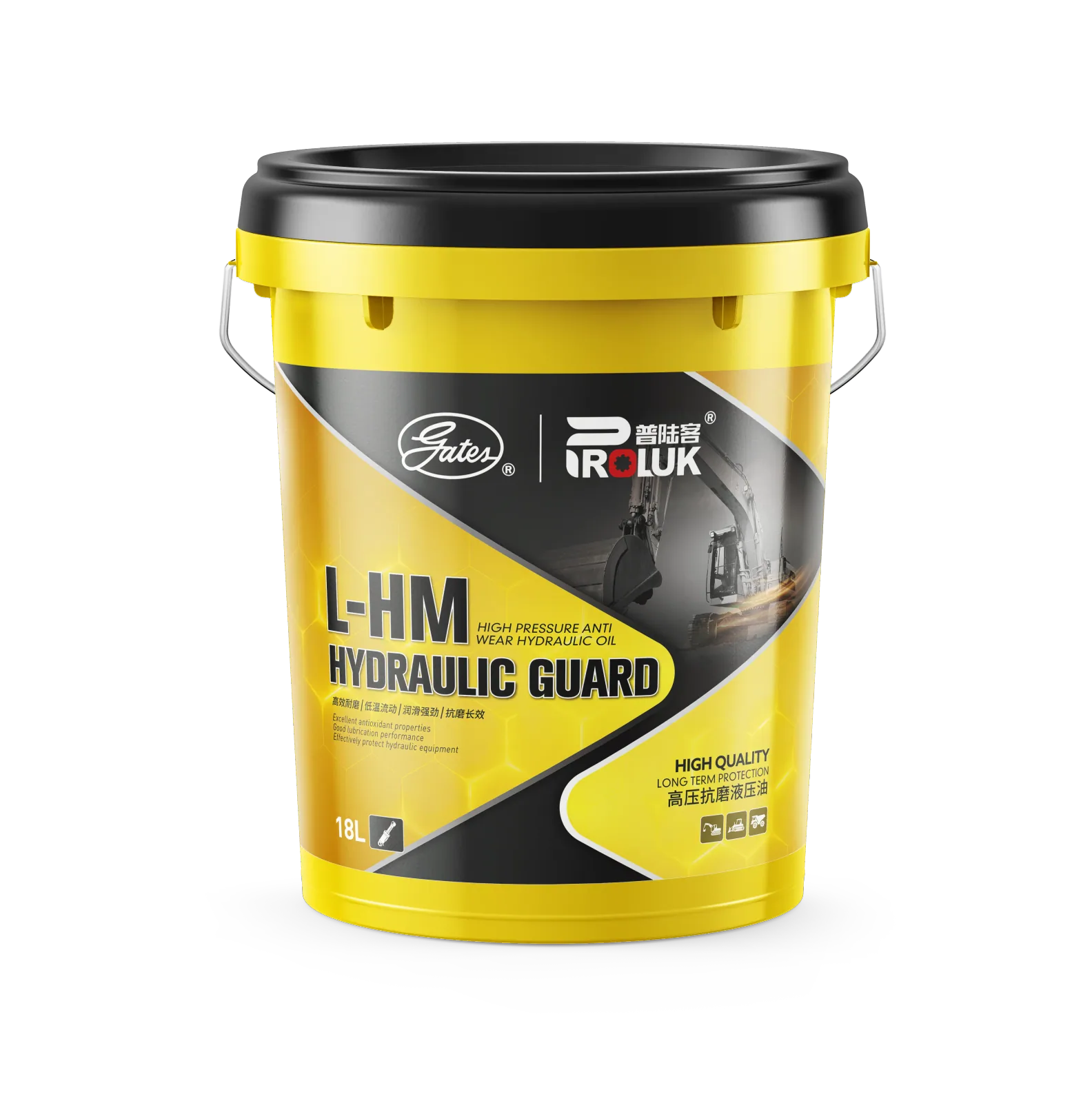
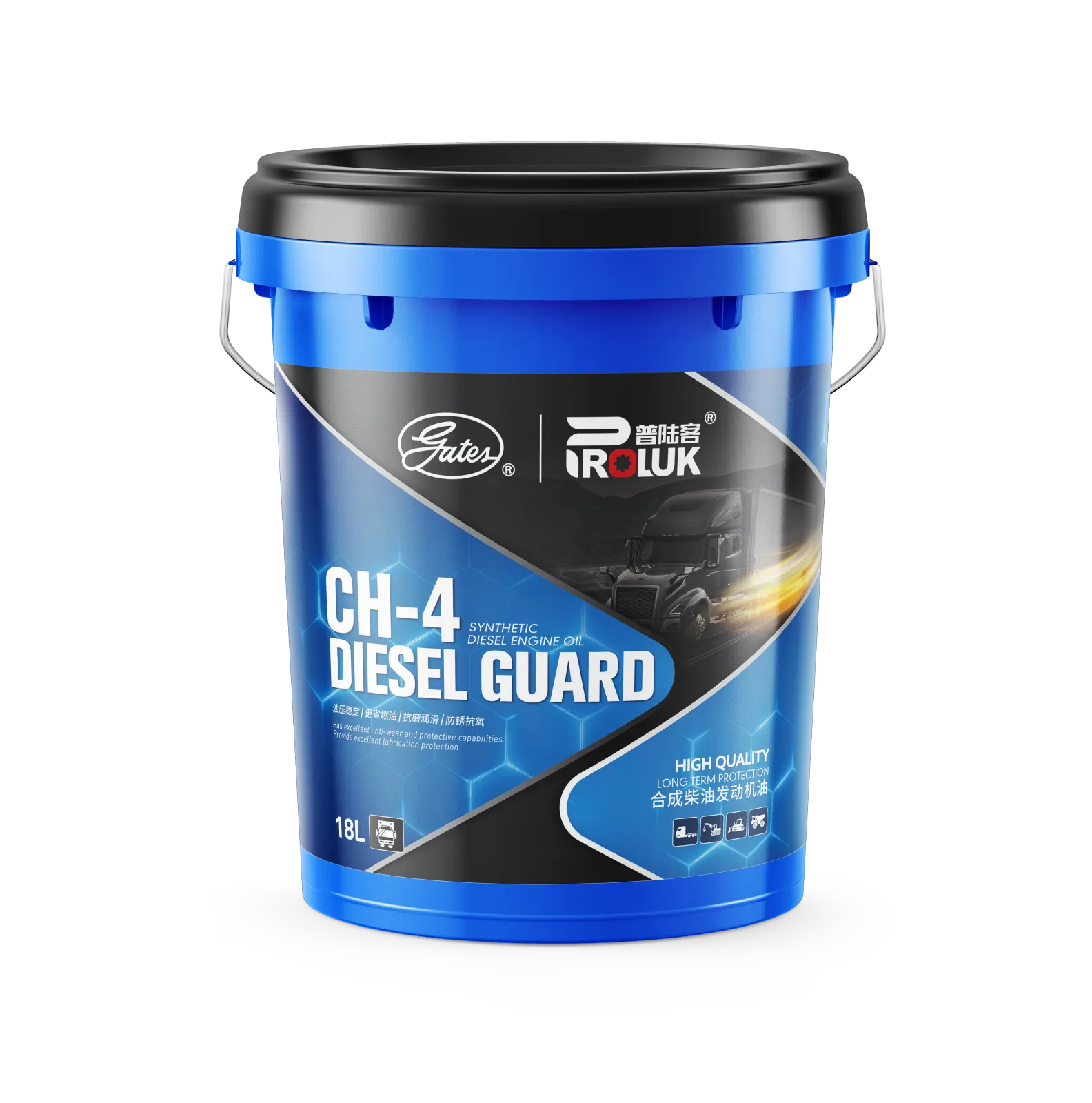
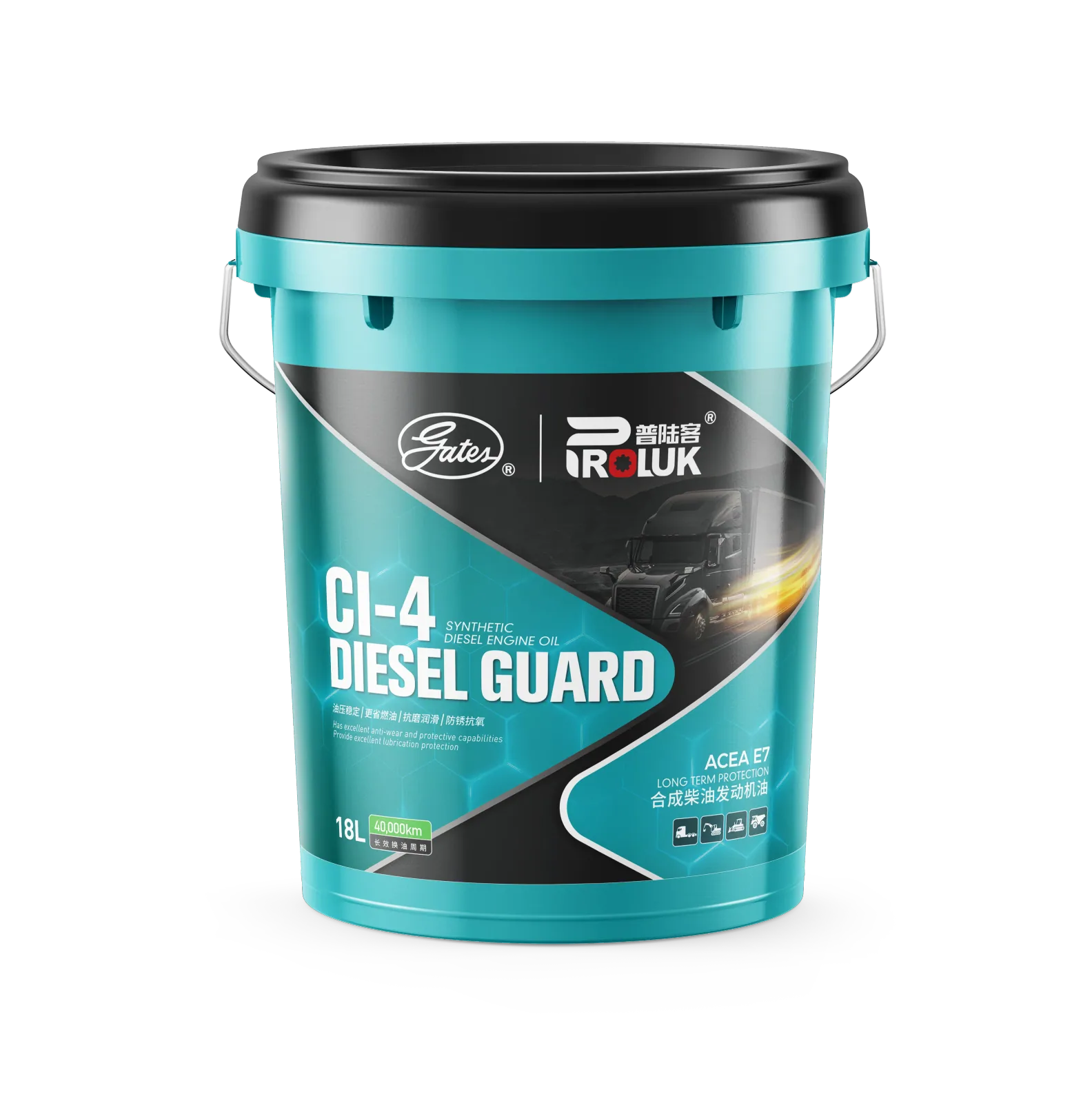
When changing lubricant brands or types, verify that the new oil meets the same OEM spec and has comparable or better demulsibility data—do not assume all oils meeting a spec perform identically in water separation. For commercial vehicle engine oils, our CH-4 15W-40 18L and CI-4 15W-40 18L are formulated to meet the water separation requirements of their respective API categories. For hydraulic systems, our Hydraulic Fluids are designed to release water rapidly, protecting pumps and valves.
Monitoring Demulsibility Over Time: Building a Trend-Based Maintenance Trigger
Establish a baseline D1401 result for each system when the oil is new or freshly changed; this baseline is the reference for all future comparisons. Sample at regular intervals (e.g., every 500 hours or per OEM recommendation) and track D1401 alongside other tests (acid number, viscosity, glycol, oxidation) to correlate changes. Set a trend-based trigger: if demulsibility declines by a defined margin from baseline, investigate root cause before the oil reaches a failing result—this is more cost-effective than reacting to a failure. Sudden changes in D1401 between samples should trigger immediate contamination investigation (glycol, cleaning fluid, cross-contamination) rather than a wait-and-see approach.
A practical trigger: if the oil/water/emulsion volumes at 30 minutes shift by more than 10% from baseline, or if emulsion volume increases by more than 5 mL, initiate a root cause investigation. This early warning allows you to address contamination or additive depletion before equipment damage occurs.
FAQ
Q: My oil failed ASTM D1401. Do I need to change it immediately?
A: Not necessarily. A failing result is a symptom. Check for contamination (glycol, cleaning fluid) first. If none, assess oxidation and additive depletion. In low-ingress systems with long residence time, a marginal result may be tolerable. In high-ingress systems, act promptly.
Q: Can I add an aftermarket demulsibility additive to fix the problem?
A: Usually no. Aftermarket additives can destabilize the existing additive package, compete with other surface-active components, and may void OEM approvals or warranties. Only use additives approved by the lubricant manufacturer.
Q: How often should I test demulsibility?
A: Establish a baseline when oil is new or freshly changed. Sample at regular intervals (e.g., every 500 hours or per OEM recommendation) and track D1401 alongside acid number, viscosity, glycol, and oxidation tests.
Q: What causes a sudden drop in demulsibility?
A: Sudden failure typically indicates a contamination event—glycol ingress, cleaning fluid residue, or cross-contamination with a different lubricant. Gradual decline points to oxidation or additive depletion.
Q: Can dehydration fix poor demulsibility?
A: Dehydration removes water but does not restore depleted demulsifiers or reverse oxidation. It can extend oil life if the cause is additive depletion without significant oxidation or contamination. If oxidation is the cause, the oil should be changed.