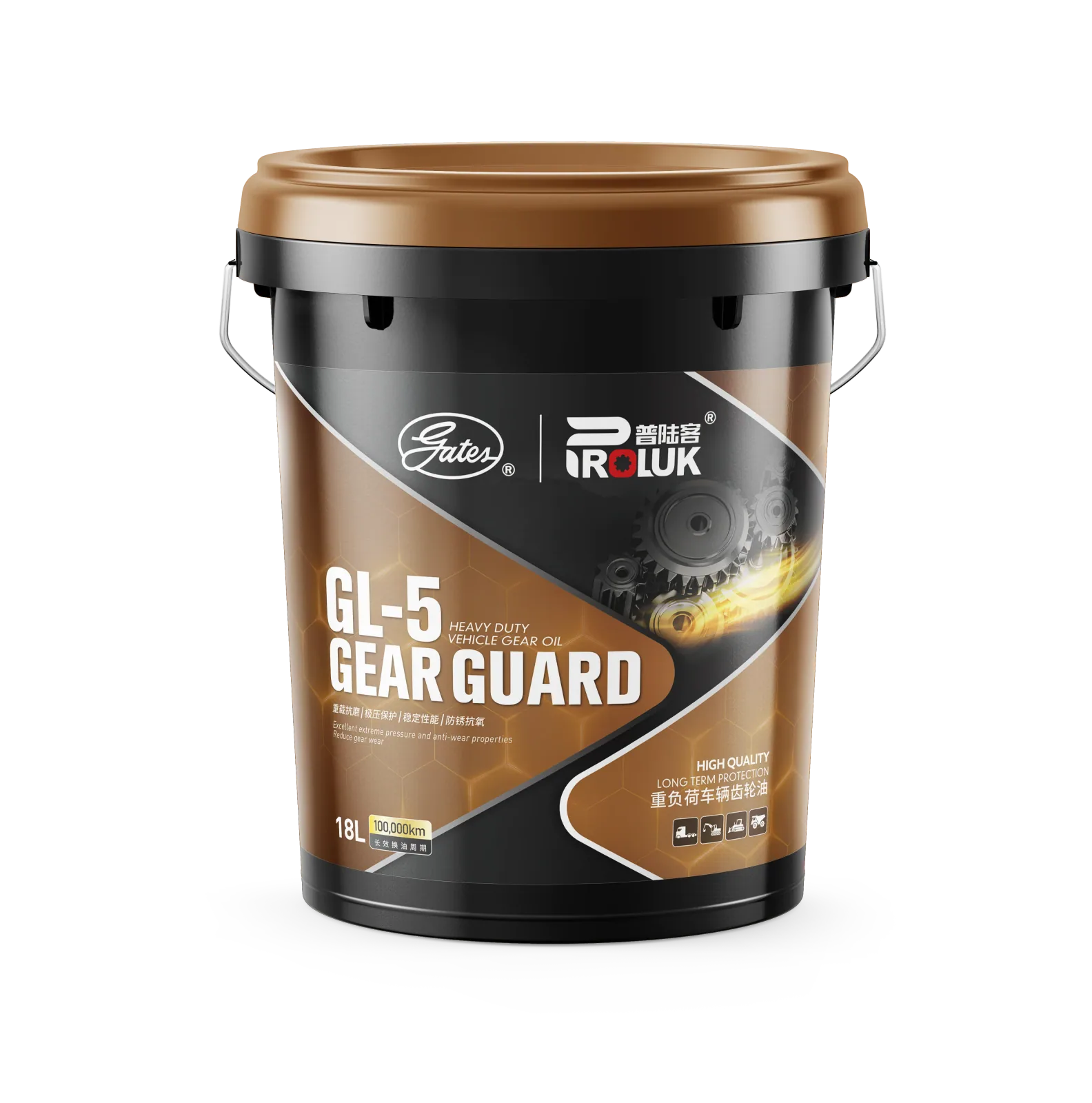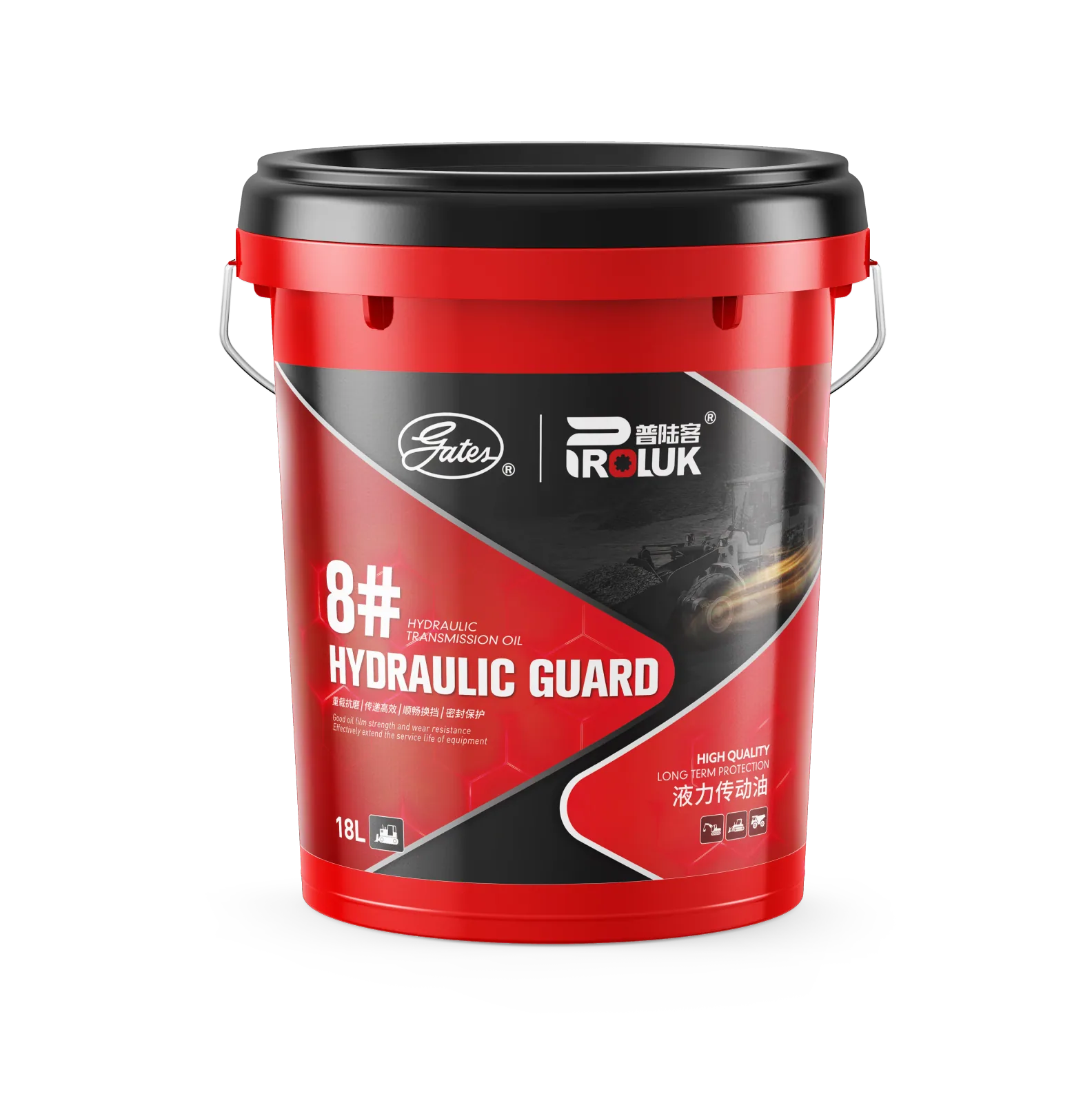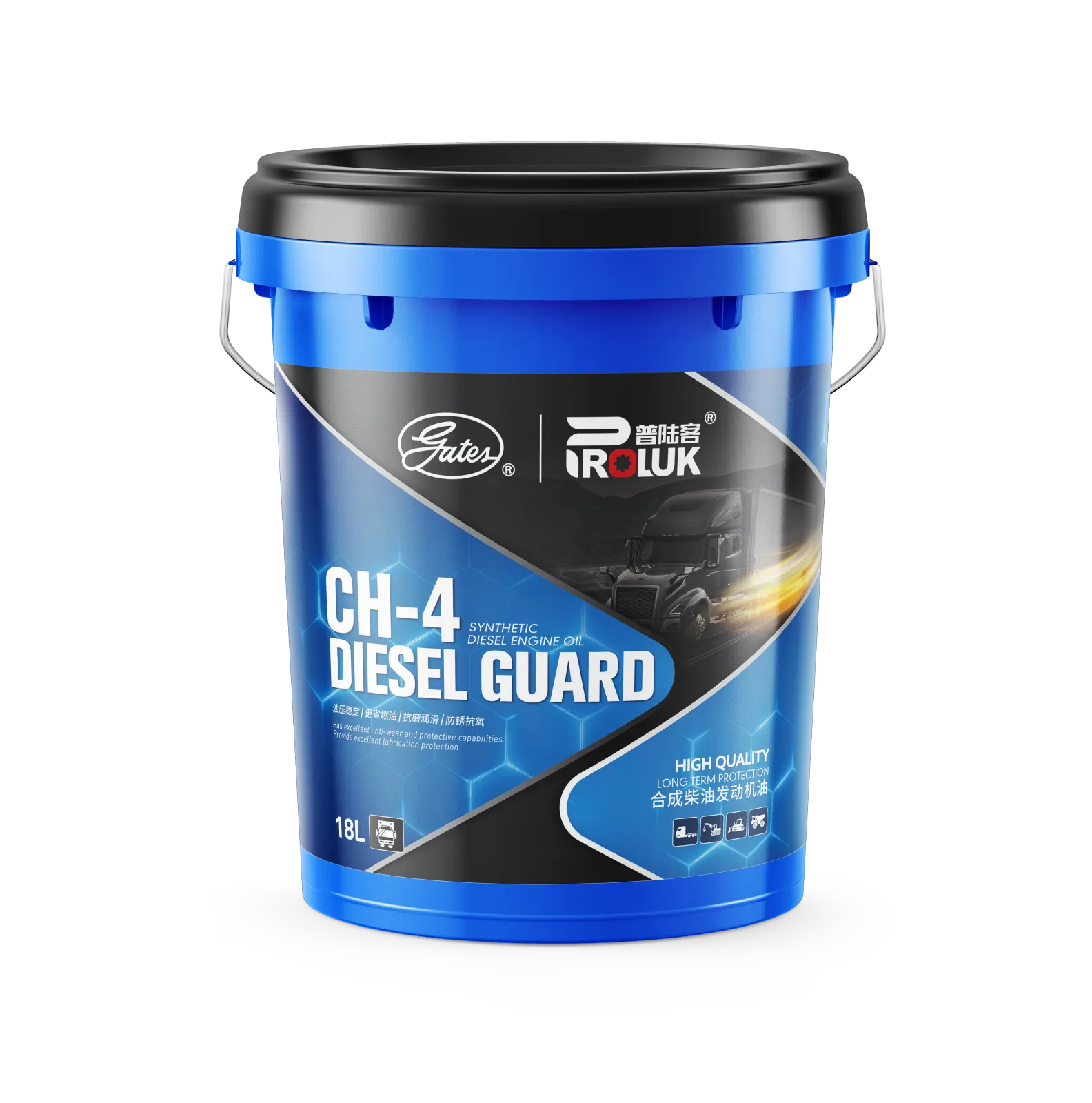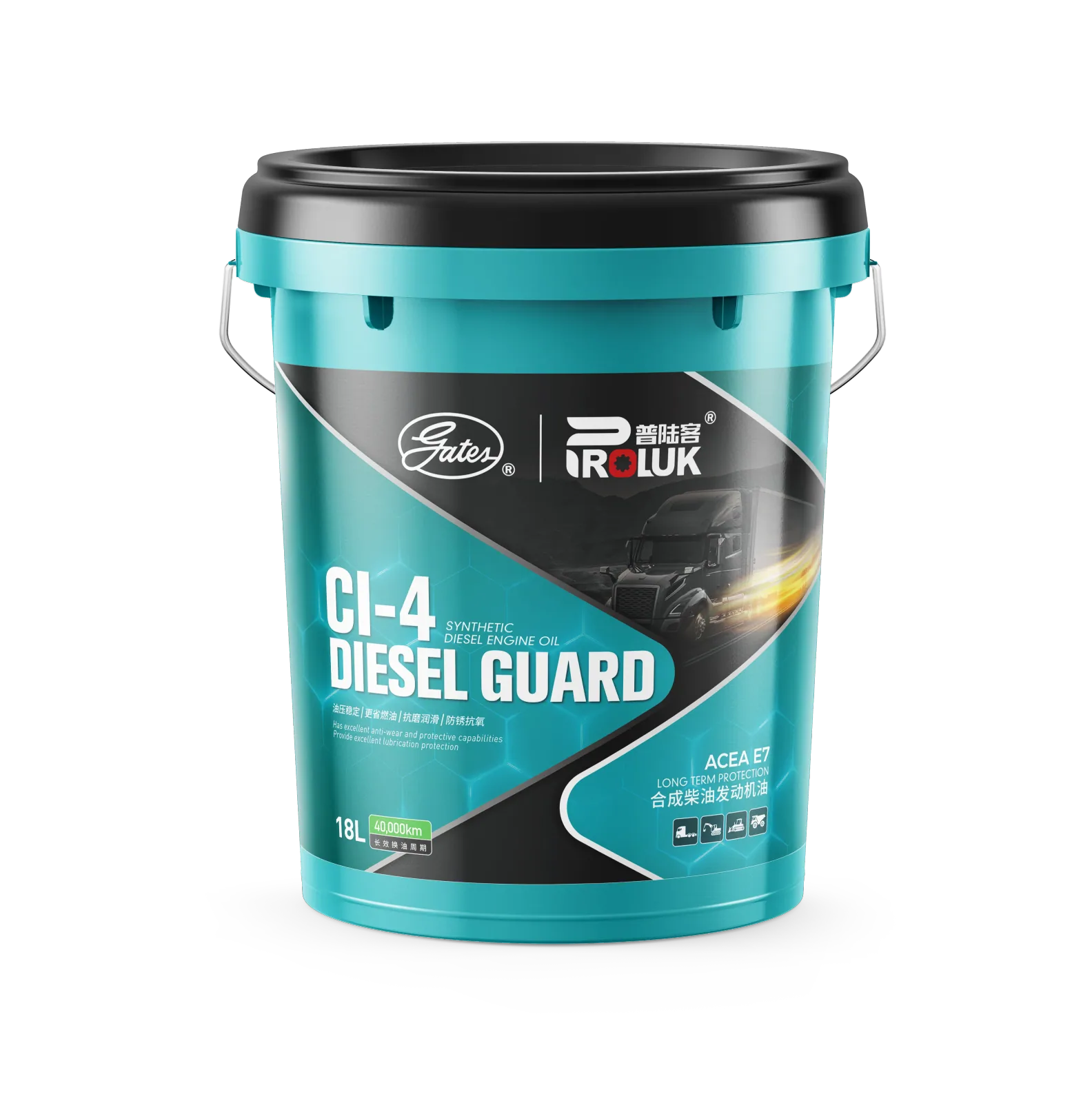
L-HM Hydraulic Guard
L-HM
液压系统用油,提供稳定液压传递。
Series overview
- Series
- L-HM
- Pack Size
- 18L
- Category
- Automotive Lubricants / Commercial Vehicle Oils / Transmission Fluids
Applications
Application information not specified
Available Packaging
Our team typically responds within 24 hours
Request a Quote
Fill out the form below and our team will get back to you within 24 hours.
Technical Data
| Packaging | 18 L |
|---|
Product overview
Hydraulic fluid for stable power transmission.
Hydraulic fluid transmits power in hydraulic systems while lubricating pumps, valves and actuators. System pressures are high and clearances are small, so viscosity-temperature behaviour, oxidation resistance, air release and cleanliness (filterability) all matter a great deal.
This page covers L-HM Hydraulic Guard (High Pressure Anti-Wear Hydraulic Oil) — product code L-HM; category Automotive Lubricants / Commercial Vehicle Oils / Transmission Fluids; pack 18L. The specification table below is taken from our product data as recorded, with no values estimated or filled in.
Specifications and what they mean
The table below reproduces the recorded product data; the notes that follow explain the classification and viscosity systems in general terms.
| Product name | L-HM Hydraulic Guard |
|---|---|
| Product code | L-HM |
| Category | Automotive Lubricants / Commercial Vehicle Oils / Transmission Fluids |
| Packaging | 18L |
- 18L:Workshop and fleet size, suited to servicing several vehicles or a single commercial fill.
- Grades and viscosities are stated on the product label and pack; the values listed here are exactly as recorded in our product data, and further technical documentation can be requested from our sales team.
What it does in service
- Transmits hydraulic energy to cylinders and motors.
- Lubricates the friction pairs in pumps, spools and actuators, limiting wear and sticking.
- Resists oxidation and thermal ageing, extending drain intervals and limiting varnish and sludge.
- Releases entrained air quickly and resists foaming, avoiding sluggish response and cavitation.
- Provides rust and corrosion protection with good filterability to protect precision valves.
Typical applications and duty cycles
- Hydraulic systems on construction machinery (excavators, loaders, cranes).
- Industrial hydraulic equipment such as injection moulding and die-casting machines.
- Hydraulic power units, valve blocks and actuators.
- Precision hydraulic systems with tighter cleanliness and filterability requirements.
How it differs from related product types
Compared with gear oils, hydraulic fluids are specified for viscosity-temperature behaviour, air release and filterability rather than extreme-pressure capacity. Compared with engine oils they do not face combustion contamination but have tighter cleanliness requirements, and their viscosity grades are usually stated on the ISO VG scale rather than SAE.
Selection and usage guidance
- Follow the viscosity and performance grade specified in the vehicle or equipment manual; when several options are listed, choose according to ambient temperature and actual duty cycle.
- Manual gearboxes must use the specified fluid: gearboxes with brass or bronze synchronisers normally call for GL-4 or a dedicated manual transmission fluid rather than GL-5.
- Avoid long-term mixing of different brands or performance levels; prefer the same specification when topping up or changing fluid.
- Under sustained heavy load, frequent stop-start, hot or dusty conditions, shorten the drain interval and check fluid condition regularly.
- Replace filters where applicable during a fluid change and check the level and any leaks as specified.
How to read the pack label
- Product name and code: distinguishes different series built to the same specification (the recorded code is listed in the table above).
- Viscosity grade (SAE), e.g. 5W-30: rates low-temperature flow and high-temperature viscosity.
- Performance grade, e.g. API SP or ACEA A3/B4: the standard system and level the fluid meets.
- Net content and pack form, e.g. 4L or 18L: match it against the fill volume you need.
- Batch number and production date: for traceability and shelf-life checks.
- Manufacturer information and contact details: the reference point for any follow-up questions.
Draining and refilling
- Drain while the fluid is still warm for a more complete change, and have both a drain pan and a used-oil container ready.
- Replace the filter where applicable as the manual requires, and check that the sealing ring is intact.
- Use clean funnels and tools so that moisture, dust and debris do not enter the system.
- Fill to the volume the manual specifies and confirm the level on the dipstick or sight glass; transmission fluids usually need to be checked at a specified fluid temperature and by a set procedure.
- After the change, check the drain plug and mating surfaces for leaks, then re-check the level after a short run.
- Record the mileage or operating hours and the date so the next service can be scheduled.
Common misconceptions
- "Thicker is safer": only true within the range the manual allows — a viscosity that is too high raises flow resistance and can starve the engine during cold starts.
- "Dark oil means dead oil": diesel engine oil normally darkens as it disperses soot; decide on changes by mileage or hours and by oil analysis rather than colour.
- "The same grade from any brand can be mixed freely": emergency top-ups are understandable, but long-term mixing risks incompatible additive systems and can affect cleanliness and seals.
- "More oil is better": overfilling raises crankcase pressure and loads the oil separation system; fill to the dipstick mark.
- "A higher category always suits my engine": also check viscosity and the manufacturer approvals the manual calls for — some engines set specific limits on ash and phosphorus.
Storage and handling
- Store in a cool, dry place away from direct sunlight and rain.
- Keep containers sealed against moisture, dust and contaminants, and use opened packs promptly.
- Keep production batch numbers on record and use stock on a first-in, first-out basis.
- Dispose of used oil and empty containers in line with local regulations to avoid soil and water contamination.
Ordering and technical support
- Selection support: tell us the vehicle or equipment model, ambient temperature and duty cycle in your enquiry and we will point to the specifications we actually offer.
- Technical documentation: for more detailed product information, packaging or bulk supply, contact the sales team through the enquiry form and we will answer with what we have on file.
- Pack choice: the same specification often comes in several pack sizes — pick according to fill volume and stock turnover.
- Samples and volume: for bulk or long-term supply, include the quantity and delivery location in your enquiry.
Frequently asked questions
What pack sizes are available for L-HM Hydraulic Guard?
Recorded pack sizes are 18L. Workshop and fleet size, suited to servicing several vehicles or a single commercial fill.
How do I confirm this product suits my vehicle or equipment?
Follow the viscosity and performance grade specified in the vehicle or equipment manual; where several options are listed, choose according to local ambient temperature and actual duty cycle. If the manual names a manufacturer approval, check the approval marking on the pack, or ask us for the relevant technical documentation before deciding.
Can it be mixed with another brand or grade?
Long-term mixing of different brands or performance levels is not recommended because additive systems can be incompatible. Prefer the same specification when topping up; if you change grade or type, follow the manual and drain the old fluid as completely as practical.
How should this type of product be stored?
Store in a cool, dry place away from direct sunlight and rain. Keep containers sealed against moisture, dust and contaminants, and use opened packs promptly. Keep production batch numbers on record and use stock on a first-in, first-out basis. Dispose of used oil and empty containers in line with local regulations to avoid soil and water contamination.
Does darkening mean the fluid has failed?
Diesel engine oil commonly darkens in service because soot is being held in suspension by the dispersant additives, which is normal; colour alone does not tell you whether the oil has failed. Decide on changes by the mileage or hours the manual specifies, or from oil analysis results.
How should the drain interval be decided?
Start from the interval in the vehicle or equipment manual and adjust for actual duty: sustained heavy load, frequent stop-start, short trips, high ambient temperature or dusty conditions normally call for shorter intervals. Where available, oil analysis (viscosity, alkalinity, wear metals) is the most reliable basis.
Can a different viscosity be used instead?
Only within the viscosity range the manual permits. Changing viscosity arbitrarily can affect cold starting, fuel economy, oil pressure and sealing, especially on engines with variable valve timing, turbocharging or exhaust aftertreatment — check the manual first, or ask us.