Additive Balance, Not Additive Count: How to Evaluate Lubricant Performance
A lubricant with eight well-balanced additive types at optimized treat rates will outperform one with fifteen types at random concentrations. Performance is governed by the balanced formulation of the additive package—treat rate, synergy, and base oil compatibility—not by the number of additive types on a label. Additives typically make up 0.1% to 30% of a finished lubricant depending on application [SEARCH_EVIDENCE].
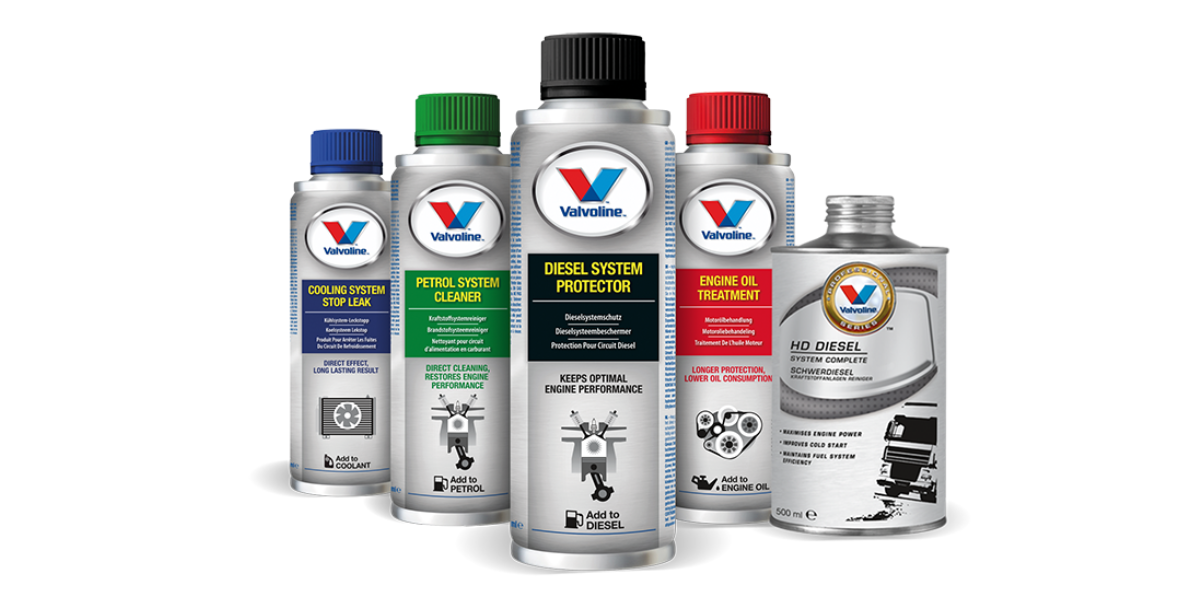
That matters because the additive market rewards visible complexity. Labels advertise "contains ZDDP," "molybdenum-enhanced," or "triple-action detergent." None of that tells you whether components are present at effective concentrations, whether they interfere with each other, or whether the package was validated against an OEM specification. The same principle applies to aftermarket top-treats: pouring a high-concentration ZDDP or molybdenum additive into a finished oil can disrupt an already balanced package, causing additive dropout, seal swelling, or reduced oxidation stability [MODEL_ANALYSIS]. The original formulator tuned the package to meet a specification; adding a single component in isolation shifts the equilibrium. In practice, you may void the warranty and exceed phosphorus or ash limits without gaining measurable wear protection.
The decision framework is straightforward: evaluate additive packages by specification compliance and application fit, not by additive count. Ask three questions—does it meet the required OEM or industry spec, is the base oil compatible with the intended drain interval, and does the additive package address the dominant wear or deposit mechanism in your application? If any answer is unclear, the additive count is irrelevant.
How Additives Work: Mechanisms of Action in Engine, Gear, and Transmission Fluids
Each additive class acts through a specific physical or chemical mechanism, and those mechanisms interact. Understanding them explains why balance matters more than volume.
Anti-Wear and Extreme Pressure Additives
Anti-wear additives like ZDDP form a sacrificial tribofilm on metal surfaces under high pressure and temperature, but require controlled decomposition to work effectively [SEARCH_EVIDENCE]. The key word is controlled. ZDDP must react with the metal surface at the right temperature and rate—too slow and it never forms a protective film, too fast and it depletes before the oil reaches its drain interval. The tribofilm is sacrificial by design: it wears away and reforms, protecting the underlying metal.
Extreme pressure (EP) additives in gear oils work on a similar principle but at higher contact pressures. They react with the metal surface to form a chemical film that prevents welding and scuffing under shock loads. The treat rate and reactivity must be matched to the gear type—hypoid gears with high sliding velocities demand more aggressive EP chemistry than helical gears.
Friction Modifiers
Friction modifiers (e.g., organo-molybdenum) adsorb onto surfaces to reduce boundary friction, but compete with anti-wear additives for surface sites [SEARCH_EVIDENCE]. This competition is the central tension in engine oil formulation. Molybdenum-based friction modifiers reduce friction and improve fuel economy, but they need surface access. ZDDP also needs surface access. When both are present, the formulator must balance concentrations so that neither starves the other.
Detergents and Dispersants
Detergents neutralize acids and keep high-temperature deposits suspended, while dispersants handle soot and sludge; the detergent-dispersant ratio is critical for balanced performance [SEARCH_EVIDENCE]. Detergents are typically metallic (calcium or magnesium sulfonates) and contribute to ash content. Dispersants are ashless and handle the fine particulate that would otherwise agglomerate into sludge. In diesel engines with high soot loading, dispersant demand is higher; in gasoline engines focused on high-temperature deposit control, detergent demand dominates. Get the ratio wrong and you either form deposits or flocculate sludge.
Antioxidants
Antioxidants delay base oil oxidation, but their effectiveness depends on treat rate and interaction with metal deactivators and other additives [SEARCH_EVIDENCE]. Oxidation is the primary mechanism of oil degradation—it thickens the oil, forms acids, and generates deposits. Antioxidants work by interrupting the free-radical chain reaction, but they deplete over time. Their treat rate must be matched to the base oil's inherent oxidation stability and the expected operating temperature.
Additive Interactions and Negative Effects: Why More Is Not Better
Additive antagonism is real, measurable, and the primary reason over-treating fails. ZDDP and organo-molybdenum friction modifiers compete for surface sites; excessive ZDDP can reduce friction modifier effectiveness and increase phosphorus volatility [MODEL_ANALYSIS]. The friction modifier cannot reduce friction if it cannot reach the surface. Worse, excess ZDDP volatilizes at high temperatures, depositing phosphorus on catalytic converters and accelerating catalyst deactivation.
Detergent-dispersant imbalance can lead to deposit formation or sludge flocculation, especially in high-soot diesel applications [MODEL_ANALYSIS]. Too much detergent relative to dispersant and you get ash deposits; too much dispersant relative to detergent and you lose acid neutralization capacity. The balance is application-specific and validated through engine tests, not guessed.
Over-treating antioxidants can cause solubility issues or antagonism with other additives, while under-treating leads to premature oxidation [MODEL_ANALYSIS]. Antioxidants are not infinitely soluble in base oil. Beyond a certain concentration, they precipitate or interact negatively with other components. The optimal treat rate is the minimum that achieves the required oxidation induction time—not the maximum the formulator can dissolve.
Aftermarket additives may contain high concentrations of a single component (e.g., ZDDP or molybdenum) that disrupt the original balance and can void warranties or exceed specification limits [MODEL_ANALYSIS]. A product that meets API SP with 800 ppm phosphorus can be pushed to 1,200 ppm by a single top-treat, exceeding the limit that protects the catalytic converter. OEM warranty language typically excludes damage from non-approved additives.
Regulatory and Environmental Constraints: How Phosphorus and Ash Limits Shape Additive Packages
Phosphorus limits (e.g., API SN/SP, ILSAC GF-6) cap ZDDP treat rates to protect catalytic converters, pushing formulators to use alternative anti-wear and friction modifier chemistries [MODEL_ANALYSIS]. The historical shift from API SL to SP reduced phosphorus limits from 1,000 ppm to 800 ppm, forcing formulators to achieve the same wear protection with less ZDDP. The solution has been a combination of molybdenum friction modifiers, boron-based anti-wear additives, and optimized ZDDP chemistry that delivers protection at lower concentrations.
Ash content limits (sulfated ash, phosphorus, sulfur—SAPS) restrict detergent and anti-wear additive levels, impacting diesel and gasoline engine oil formulations [MODEL_ANALYSIS]. Low-SAPS formulations require careful selection of detergents and dispersants to maintain performance without exceeding ash limits [MODEL_ANALYSIS]. Ash is the non-combustible residue that remains after the oil burns; it deposits on diesel particulate filters and can cause plugging. The constraint is not just total ash but the ratio of ash-forming components.
Regulatory constraints vary by region and application, so a lubricant optimized for one market may not meet another's requirements [MODEL_ANALYSIS]. A product formulated for API SP in North America may not meet ACEA C-series requirements in Europe, even if both are 5W-30. The additive package is tuned to the specification, and the specification reflects regional fuel quality, emissions regulations, and OEM requirements.
Evaluating Additive Packages: Practical Guidance for Engine, Gear, and Transmission Fluids
Prioritize OEM specifications and industry approvals (API, ACEA, OEM specs) over additive marketing claims, as these ensure the package meets minimum performance and compatibility requirements [MODEL_ANALYSIS]. A product that carries the approval has been tested against the specification's requirements—wear, deposits, oxidation, compatibility. A product that merely "meets the requirements of" has not. The distinction matters for warranty and for performance.
Match additive package to base oil type: synthetic base oils may require different treat rates and additive solubility than mineral oils [MODEL_ANALYSIS]. Synthetics have different solvency characteristics—some additives that dissolve readily in mineral oil may precipitate in PAO-based synthetics. The formulator must adjust treat rates and sometimes additive chemistry to match the base oil.
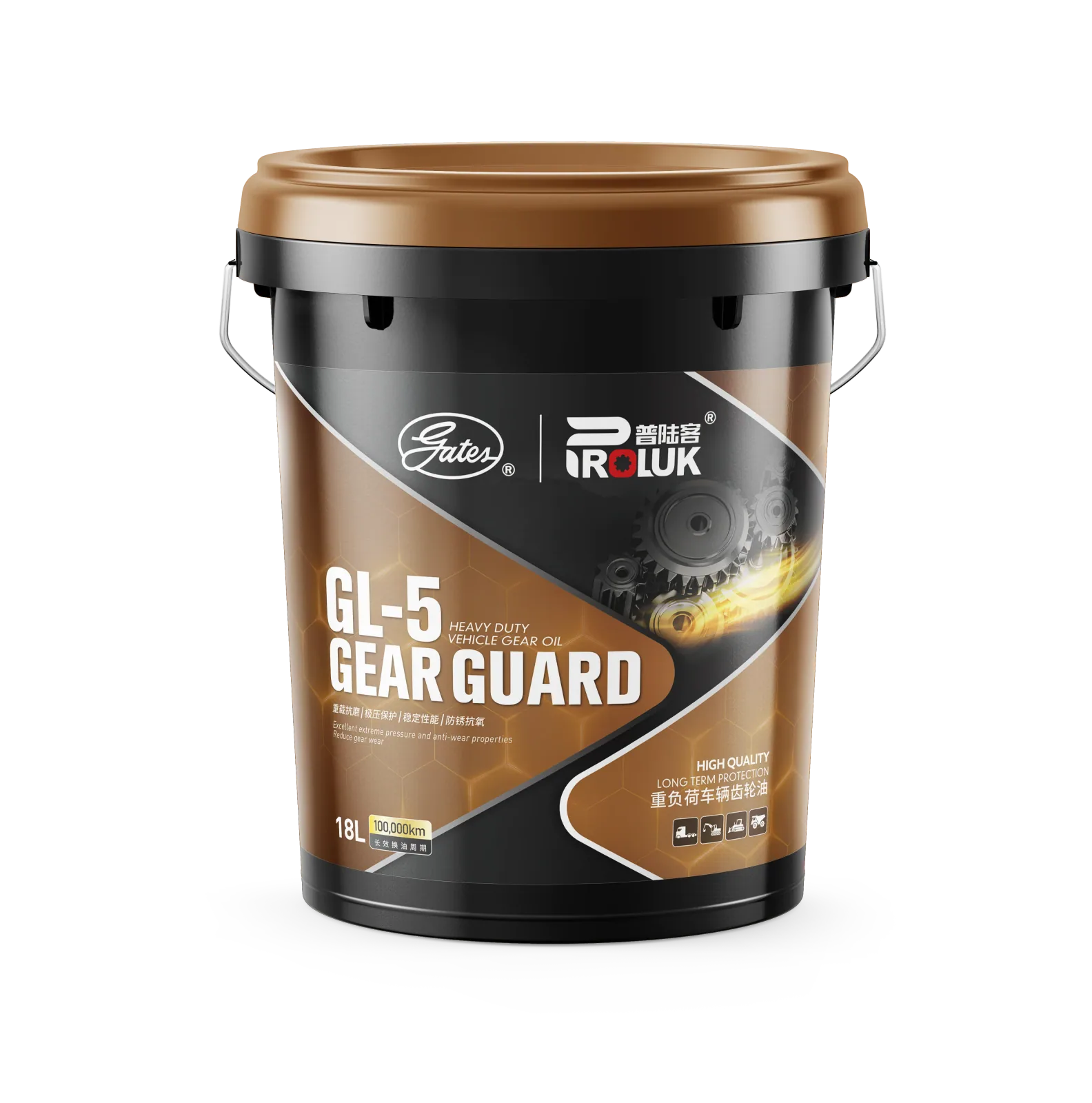
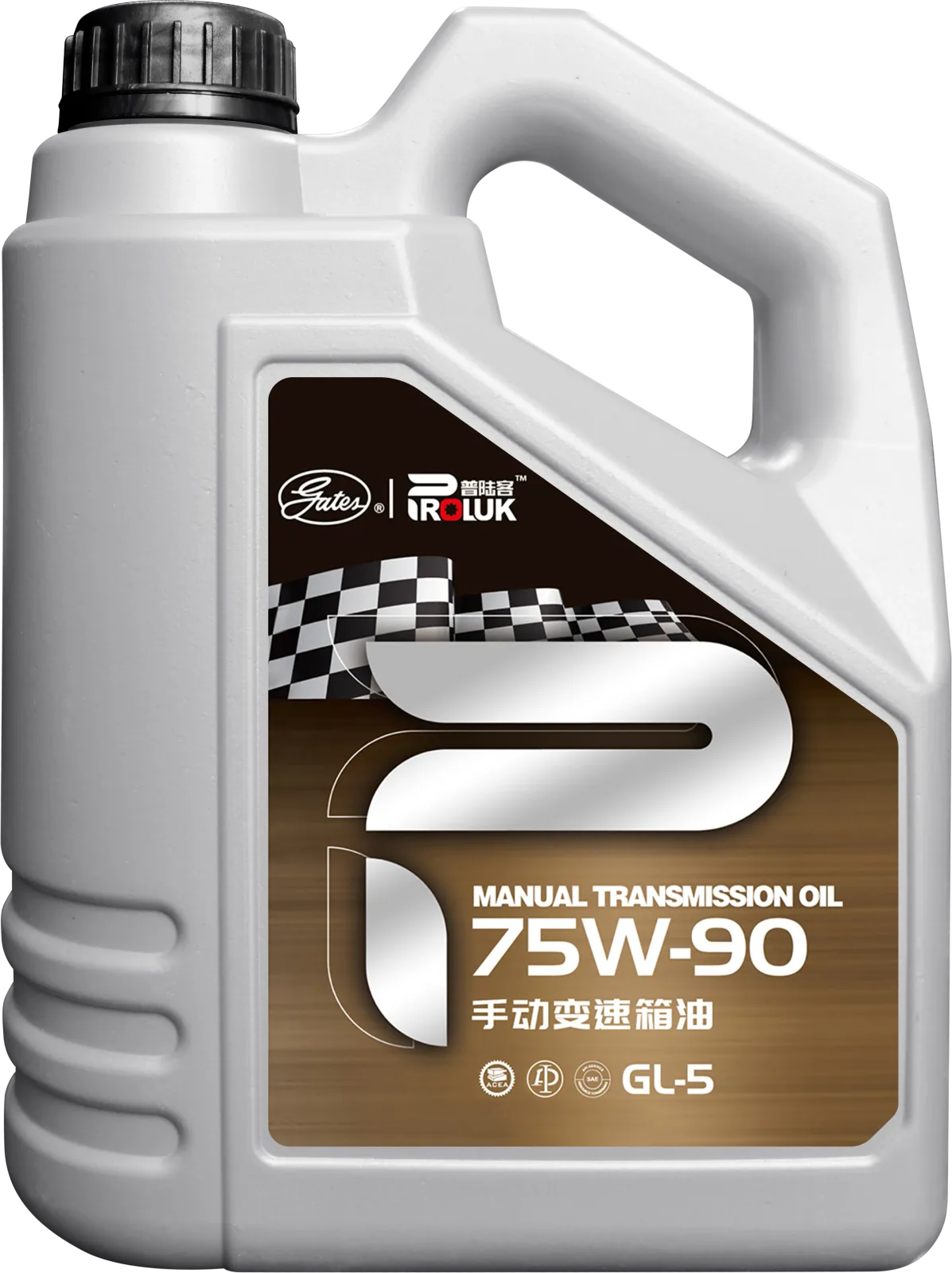
For gear oils, look for appropriate anti-wear and extreme pressure additive balance for the gear type (e.g., hypoid vs. helical) and operating conditions [MODEL_ANALYSIS]. Hypoid gears require EP additives that can handle high sliding velocities and shock loads; helical gears require less aggressive chemistry. A GL-5 oil formulated for hypoid gears may be over-aggressive for a helical gearbox, attacking yellow metals and seals.
For transmission fluids, verify friction modifier balance for clutch performance and anti-shudder durability, especially in automatic transmissions [MODEL_ANALYSIS]. The friction modifier package in an ATF is tuned to the clutch material and the shift strategy. Too much friction modifier and the clutch slips; too little and it grabs. Anti-shudder durability—the ability to maintain smooth engagement over time—depends on the friction modifier's stability and treat rate.
Use oil analysis to monitor additive depletion (e.g., zinc, phosphorus, boron, calcium) and adjust drain intervals accordingly [MODEL_ANALYSIS]. Elemental analysis tells you what is left in the oil. TBN tells you the remaining acid neutralization capacity. TAN tells you the accumulated acids. Together, they tell you whether the additive package is still working or has been consumed.
Case Examples: How Balanced Additive Packages Outperform Additive-Boosted Alternatives
A fleet using an OEM-approved engine oil with a balanced additive package may see longer drain intervals and lower wear metals than a fleet using a high-additive-count oil without approvals [MODEL_ANALYSIS]. The approved oil has been validated against the specification's wear and deposit tests. The high-count oil may have more additive types but no validation that they work together. In practice, the approved oil's balanced package delivers predictable depletion rates and wear protection, while the high-count oil may deplete unevenly or form deposits.
In gear oils, an improperly balanced EP additive package can lead to pitting or corrosion, while a balanced package protects gears without attacking seals or yellow metals [MODEL_ANALYSIS]. EP additives are reactive by design—they must react with the metal surface to form a protective film. But the same reactivity can attack copper alloys (yellow metals) in synchronizers or bushings if the chemistry is not properly inhibited. A balanced package includes corrosion inhibitors and seal conditioners that manage these side effects.
Aftermarket additive use in a modern low-SAPS engine oil can increase phosphorus and ash, potentially damaging the catalytic converter and voiding warranty [MODEL_ANALYSIS]. The low-SAPS formulation was designed to meet emissions system durability requirements. Adding a phosphorus-rich top-treat defeats that design. The damage may not appear immediately, but over time the catalyst efficiency degrades and the emissions system fails.
Next Steps: Applying Additive Balance Principles to Your Lubricant Selection
Check OEM and industry specifications first; these are the strongest indicators of a balanced, fit-for-purpose additive package [MODEL_ANALYSIS]. The specification tells you the package has been tested against the requirements that matter for your application. If the product does not carry the specification, ask why.
Avoid aftermarket additives unless explicitly approved by the lubricant manufacturer or OEM, as they can disrupt balance and void warranties [MODEL_ANALYSIS]. The formulator tuned the package; adding a single component in isolation shifts the balance. If you need additional protection, select a lubricant with a higher specification or a different base oil, not an additive top-treat.
Implement oil analysis to track additive depletion and optimize drain intervals based on actual performance, not marketing claims [MODEL_ANALYSIS]. Track zinc, phosphorus, boron, calcium, TBN, and TAN. Establish trends for your equipment and operating conditions. Use the data to extend drain intervals when the oil still has additive reserve, and shorten them when depletion accelerates. The additive package is a consumable—monitor it like one.
FAQ
Does more additives always mean better performance?
No. Performance is determined by the balanced formulation of the additive package—treat rate, synergy, and base oil compatibility—not by the number of additive types. A product with eight well-balanced additives can outperform one with fifteen at random concentrations.
Can I add an aftermarket additive to boost my oil?
Only if explicitly approved by the lubricant manufacturer or OEM. Adding a single component in isolation can disrupt the original balance, cause additive dropout, seal swelling, or reduced oxidation stability, and may void warranties or exceed specification limits.
How do I know if a lubricant's additive package is well-formulated?
Check for OEM and industry approvals (API, ACEA, OEM specs). These indicate the package has been tested against the specification's wear, deposit, oxidation, and compatibility requirements. A product that merely "meets the requirements of" has not been approved.
Why do phosphorus and ash limits matter?
Phosphorus limits (e.g., API SN/SP, ILSAC GF-6) cap ZDDP treat rates to protect catalytic converters. Ash limits (SAPS) restrict detergent and anti-wear additive levels to prevent diesel particulate filter plugging. These constraints force formulators to use alternative chemistries and optimize treat rates.
How can oil analysis help?
Oil analysis tracks additive depletion (zinc, phosphorus, boron, calcium) and remaining acid neutralization capacity (TBN) versus accumulated acids (TAN). Use it to set drain intervals based on actual additive reserve, not marketing claims.