Clean Oil, Reliable Machines: How to Set and Hit an ISO Cleanliness Target
If you change oil on schedule and still see wear, varnish, or unexpected failures, the problem is probably not oil age or brand. It is particle contamination. The particles that do the most damage are 2–10 microns—small enough to enter hydraulic valve spools, gear tooth contacts, bearing raceways, and piston rings, but large enough to bridge the oil film and cause three-body abrasive wear and surface fatigue [MODEL_ANALYSIS]. A 5-micron particle is roughly the size of a red blood cell; a human hair is about 70 microns. A filter's nominal rating may be 10 microns, but that does not mean 5-micron particles are stopped.
The reliability mechanism is cumulative. Every particle that passes through a clearance removes material or initiates a fatigue crack. Over thousands of operating hours, that becomes increased clearance, lost pressure, vibration, heat, and eventual component failure. Controlling particle count directly extends component life because you reduce the number of damaging encounters per revolution [MODEL_ANALYSIS].
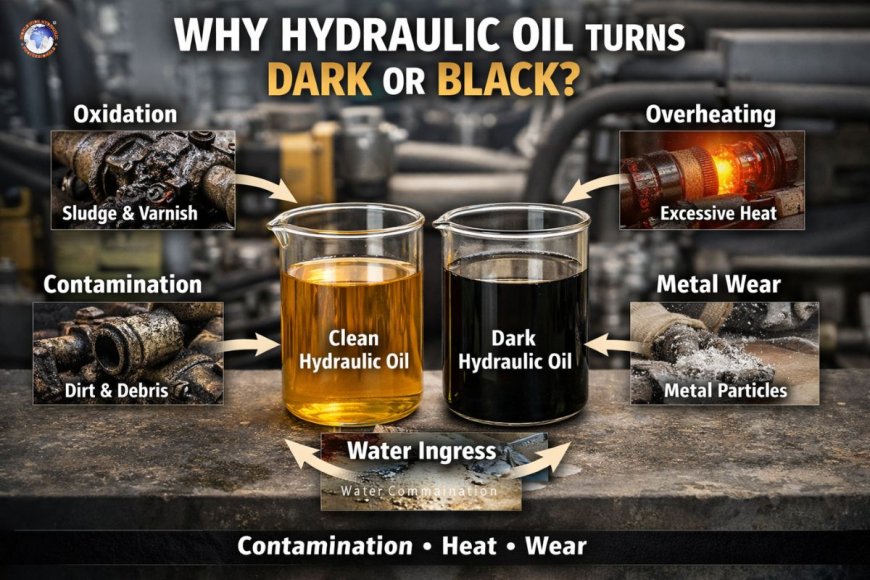
Contamination also drives oil degradation. Particles catalyze oxidation, deplete additives, and generate varnish precursors. Dirty oil ages faster than clean oil regardless of time in service. That is why two identical machines on the same drain interval can have completely different oil condition—one has a contamination-control routine, the other does not.
The decision: stop treating oil changes as the primary reliability lever. Set a cleanliness target, measure it, and control contamination at every entry point. The rest of this article shows you how.
New Oil Is Not Clean Enough
New oil from a drum or bottle is not automatically at the ISO cleanliness code required by sensitive components. It can carry particles from manufacturing, blending, packaging, and storage [MODEL_ANALYSIS]. A drum that sat in a dusty warehouse with a partially open bung, transferred through a dirty funnel into a machine, introduces contamination during what should be a clean maintenance event.
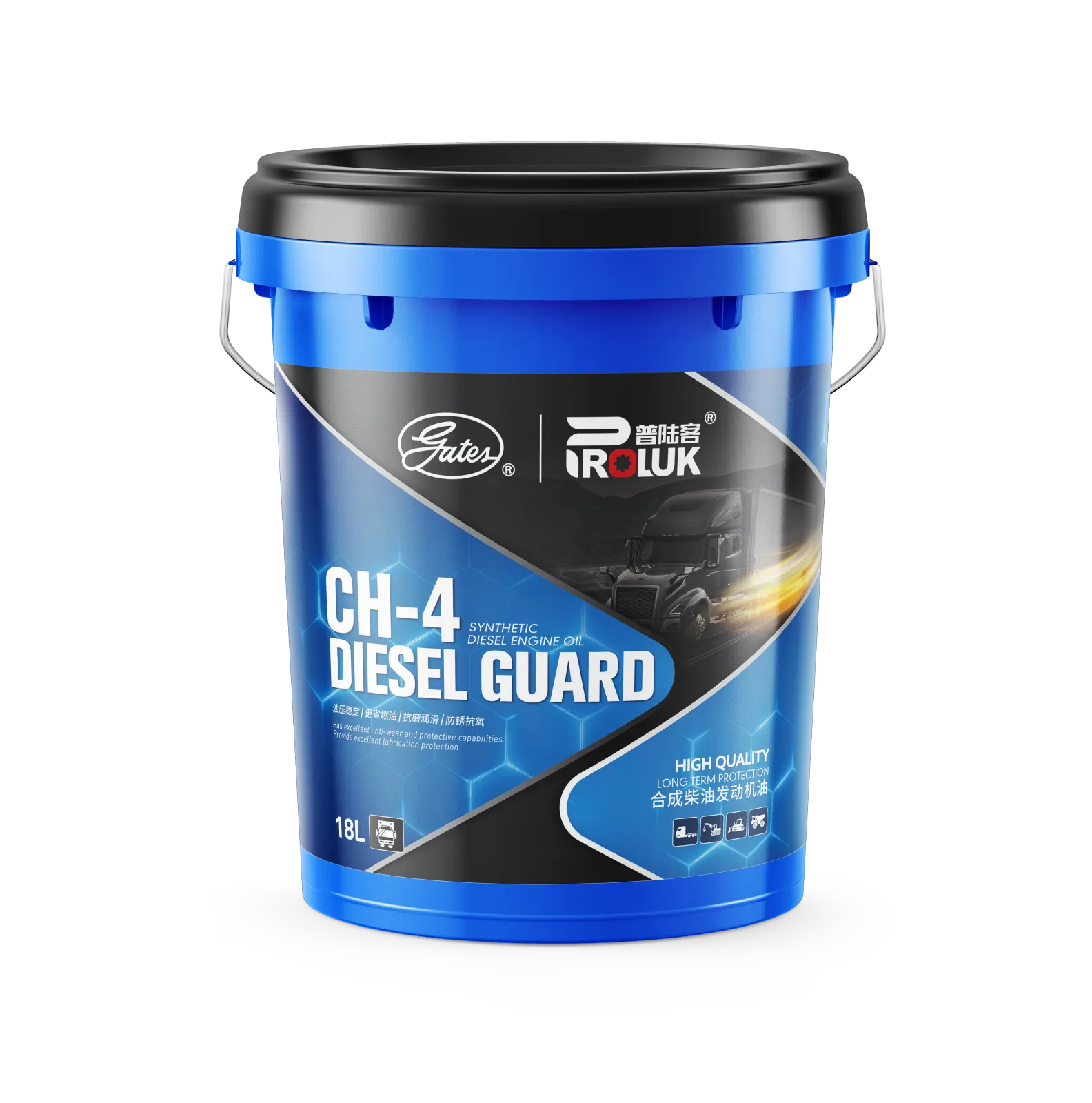
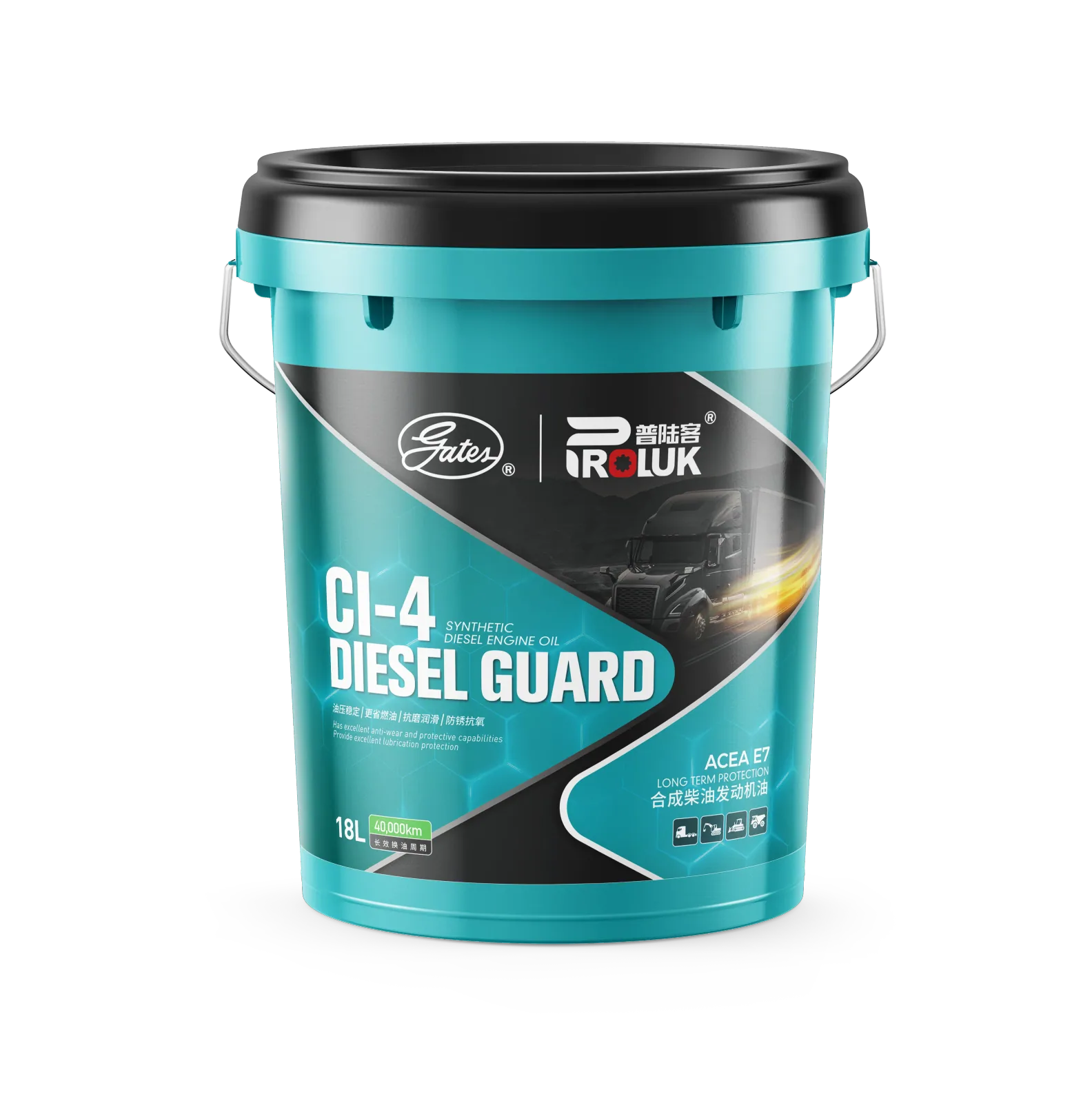
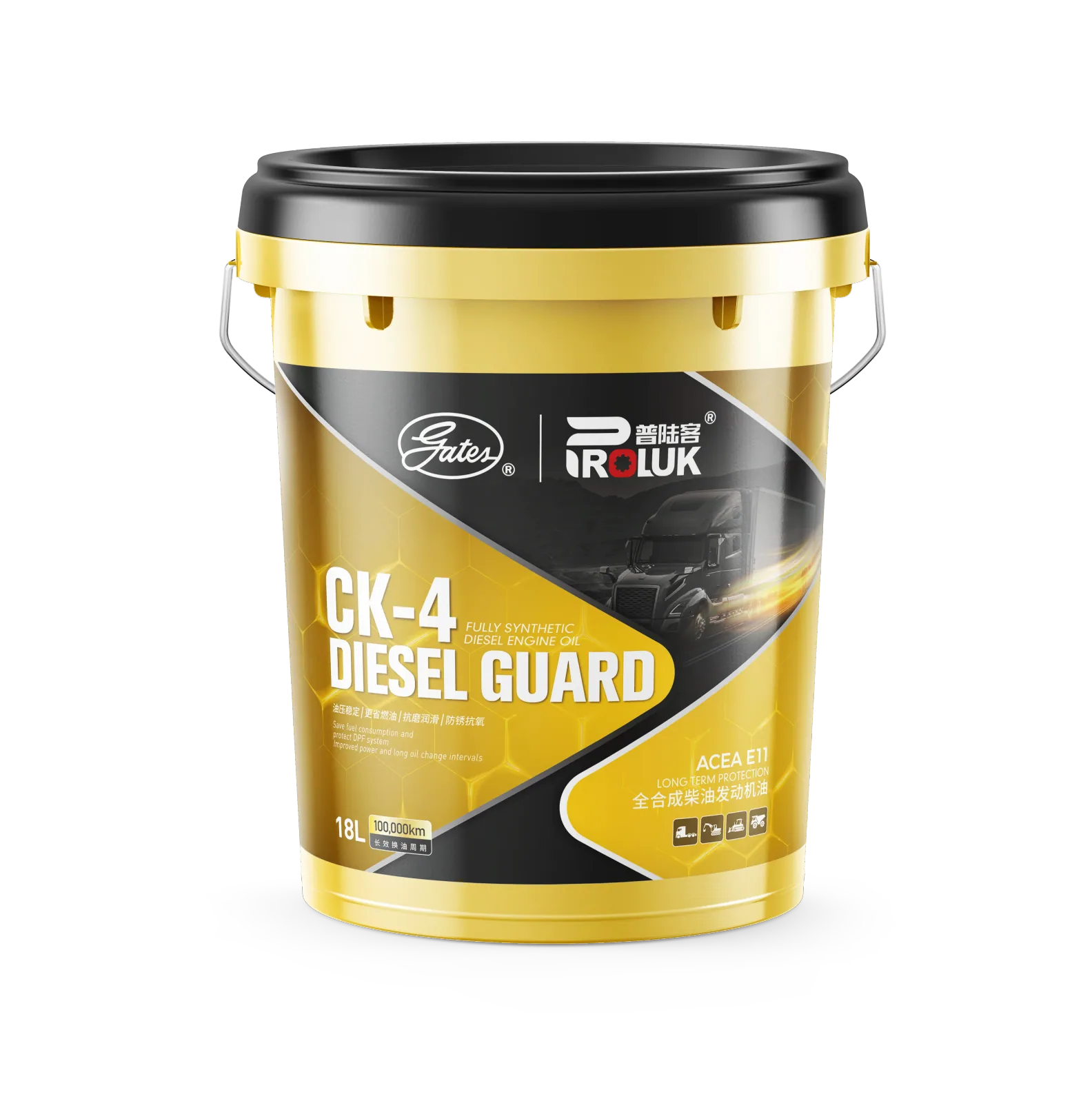
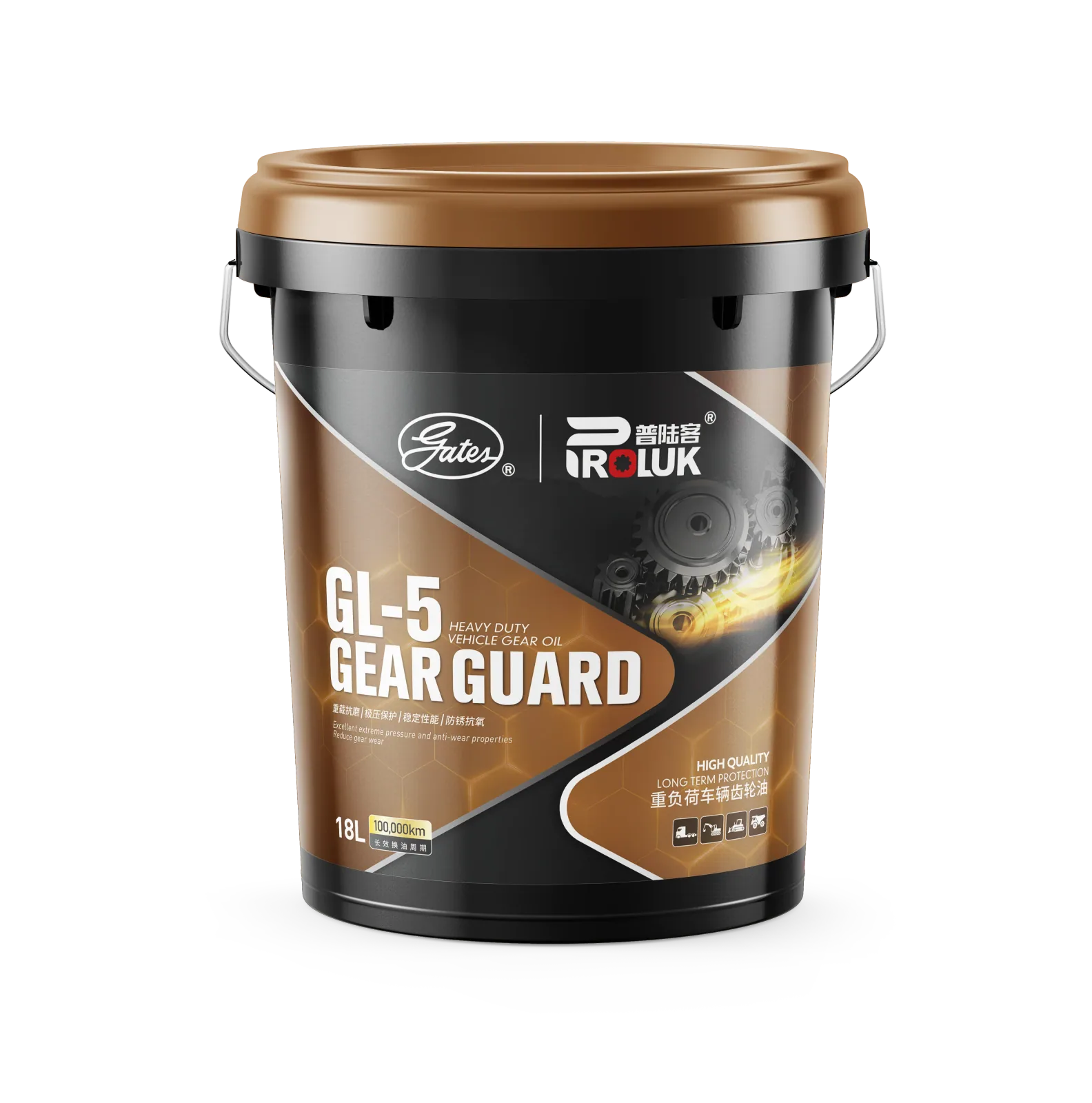
Fill ports, funnels, and transfer containers are common entry points for built-in and maintenance-induced contamination. The oil may meet its API or OEM performance specification—CH-4, CI-4, CK-4, GL-5, or a transmission fluid specification—but performance specifications do not guarantee a cleanliness code. They are different requirements.
Filtering new oil before use is a controllable step. A portable filtration unit or a dedicated transfer filter skid can bring new oil down to your target ISO code before it enters the machine. This prevents introducing contamination during an otherwise clean service. The cost is a filter element and a few minutes of labor; the benefit is avoiding the wear that dirty fill oil would cause over the next drain interval.
If you are not filtering new oil, you are guessing. And guessing is not a reliability strategy.
ISO Cleanliness Codes: Set Targets by Component Sensitivity
ISO cleanliness codes express particle counts per milliliter at specified size ranges, providing a measurable target for oil cleanliness. The code is typically written as three numbers (e.g., 18/16/13), representing counts at >4 µm, >6 µm, and >14 µm respectively [MODEL_ANALYSIS]. Lower numbers mean cleaner oil. A code of 16/14/11 is cleaner than 20/18/15.
Targets should be set by component sensitivity, not by a single universal number. Tighter clearances, higher pressures, and critical reliability requirements demand lower ISO codes. A high-pressure hydraulic system with servo valves may require 16/14/11 or cleaner. A gearbox may tolerate 18/16/13. An engine may have a different target based on its lubrication system and filtration [MODEL_ANALYSIS].
One universal cleanliness number is not appropriate. Different systems and components require different targets based on their design and operating conditions. The mistake is to pick a number from a chart without understanding why that number was chosen. The correct approach is to assess the component's clearances, pressures, and criticality, then set a target that protects it.
Action step: list your critical lubricated systems—engine, transmission, hydraulic, gearbox—and assign a target ISO code to each based on manufacturer guidance or component sensitivity. If you do not have manufacturer guidance, start with a conservative target and tighten it as you learn.
The Four Contamination Entry Points and Which Are Controllable
Contamination enters a lubricated system through four paths: ingression, generation, maintenance-induced, and built-in. Understanding which are controllable lets you prioritize the most impactful sources first.
Ingression is particles entering through breathers, seals, and fill ports. These are controllable with proper breather selection, seal maintenance, and clean fill practices. A standard breather cap may filter to 40 microns; a desiccant or high-efficiency breather can filter to 3 microns or better, blocking airborne dust and moisture. Worn seals allow external contamination in; replacing them on condition rather than on failure is a reliability practice.
Generation is wear debris created inside the system. This is partially controllable through filtration and surface protection. You cannot eliminate wear entirely, but you can capture the debris before it circulates and causes secondary damage. A filter with the right beta ratio at the target particle size does this.
Maintenance-induced contamination is introduced during service—dirty funnels, open reservoirs, contaminated new oil. This is controllable through clean procedures and pre-use filtration. It is also the most frustrating because it is self-inflicted.
Built-in contamination is present from manufacturing or assembly—casting sand, machining swarf, weld spatter. This is controllable through flushing and initial filtration. New or rebuilt machines should be flushed to a target cleanliness before being put into critical service.
Prioritize ingression and maintenance-induced contamination first. They are the easiest to control and often the largest sources.
A Step-by-Step Contamination-Control Program: Assess, Target, Control, Filter, Monitor, Act
A contamination-control program is a repeatable process, not a one-time project. The six steps below apply to any lubricated system, from a fleet of trucks to a hydraulic press.
Assess: Baseline current oil cleanliness with oil analysis. Take samples from each critical system and record the ISO code. Inspect breathers, seals, and fill points for condition and contamination sources. This gives you a starting point and identifies the worst offenders.
Set target: Choose ISO cleanliness codes by component sensitivity. Use manufacturer guidance where available. Document the target for each system so everyone knows what “clean enough” means.
Control ingression: Upgrade breathers to high-efficiency or desiccant types where appropriate. Maintain seals and replace them before they fail. Use clean fill practices—dedicated funnels, sealed transfer containers, wipe fill ports before opening.
Filter: Select filtration to achieve and maintain the target. This includes both machine filters and pre-use filtration for new oil. Check the filter's beta ratio at the target particle size, not just its nominal rating. A filter that is efficient at 10 microns may be ineffective at 4 microns.
Monitor with oil analysis: Track ISO codes and particle counts over time. Sampling frequency depends on criticality—monthly for critical systems, quarterly for others. Use the same sampling method and location each time for consistency.
Act on trends: Investigate upward trends and correct root causes rather than defaulting to shorter drain intervals. If the ISO code is rising, find out why—a failed breather, a worn seal, a filter bypass, or a change in operating conditions. Fix the cause, not the symptom.
How to Read an Oil Analysis Report for Cleanliness
An oil analysis report gives you three cleanliness metrics: ISO code, particle counts, and trends. Knowing how to read them turns a report into a decision tool.
ISO code: A two-number code (sometimes three) representing particle counts at >4 µm and >6 µm. Lower numbers mean cleaner oil. The first number is the count at >4 µm, the second at >6 µm. For example, 18/16 means the oil has a particle count in the 18 range at >4 µm and 16 range at >6 µm. Compare this to your target. If your target is 16/14 and you get 18/16, you are one code away—investigate.
Particle counts: Direct counts per milliliter at specified sizes. Use them to verify the ISO code and track changes. A sudden jump in the >4 µm count may indicate a filter failure or a new contamination source. A gradual rise may indicate normal wear or a slow ingression path.
Trend vs single reading: A single reading may be an outlier—a bad sample, a dirty sample bottle, a temporary condition. Trends over time reveal whether contamination control is working or deteriorating. Plot ISO codes and particle counts on a run chart. If the trend is flat or improving, your program is working. If it is rising, act before damage occurs.
Action step: review your last three oil analysis reports. Identify the ISO code trend for each critical system. If you do not have three reports, start sampling now.
Cost of Contamination vs Cost of a Clean-Oil Program
Contamination costs appear as accelerated wear, premature component replacement, unplanned downtime, and wasted oil. A hydraulic pump that fails six months early costs the replacement part, the labor, the downtime, and the oil. A gearbox that wears out prematurely costs even more. These costs are often hidden in maintenance budgets as “normal” failures.
A clean-oil program costs include breathers, seals, filtration, oil analysis, and labor for program management. These are visible, budgetable costs. The economic case rests on avoided wear, extended drain intervals, and reduced unplanned downtime, not on a single ROI number [MODEL_ANALYSIS].
Avoided wear: every particle you keep out of a clearance is a particle that does not remove material or initiate a fatigue crack. Extended drain intervals: clean oil lasts longer because it resists oxidation and additive depletion. Reduced unplanned downtime: a machine that runs to schedule does not disrupt operations.
The decision framework is simple: compare the cost of a contamination-control program to the cost of one premature failure. If the program costs less than the failure, it is justified. For most fleets and light-industrial operations, the math favors the program.
Start with the highest-criticality system. Assess, set a target, control ingression, filter, monitor, and act. Then expand to the next system. Clean oil is not a product you buy; it is a condition you maintain. And it is the foundation of machine reliability.
FAQ
What ISO cleanliness code should I target?
Set targets by component sensitivity. High-pressure hydraulic systems with servo valves may require 16/14/11 or cleaner; gearboxes may tolerate 18/16/13; engines vary by lubrication system and filtration. Use manufacturer guidance where available, otherwise start conservative and tighten as you learn [MODEL_ANALYSIS].
How often should I sample oil?
Sampling frequency depends on criticality—monthly for critical systems, quarterly for others. Use the same sampling method and location each time for consistency.
Can I just change oil more often instead?
No. Time-based oil changes are a fallback, not a strategy. If you have a contamination problem, shorter drain intervals do not fix the root cause—they just replace dirty oil with more dirty oil. Control contamination at the source and monitor with oil analysis.
Is new oil clean enough to use directly?
Not automatically. New oil can carry particles from manufacturing, blending, packaging, and storage. Performance specifications (API, OEM) do not guarantee a cleanliness code. Filter new oil before use to your target ISO code.
What is the most common contamination entry point?
Ingression and maintenance-induced contamination are often the largest and easiest to control. Upgrade breathers, maintain seals, and use clean fill practices—dedicated funnels, sealed transfer containers, wipe fill ports before opening.