Tribology in Automotive Lubrication: Match Oil Chemistry to the Lubrication Regime, Then Verify With OEM Approvals
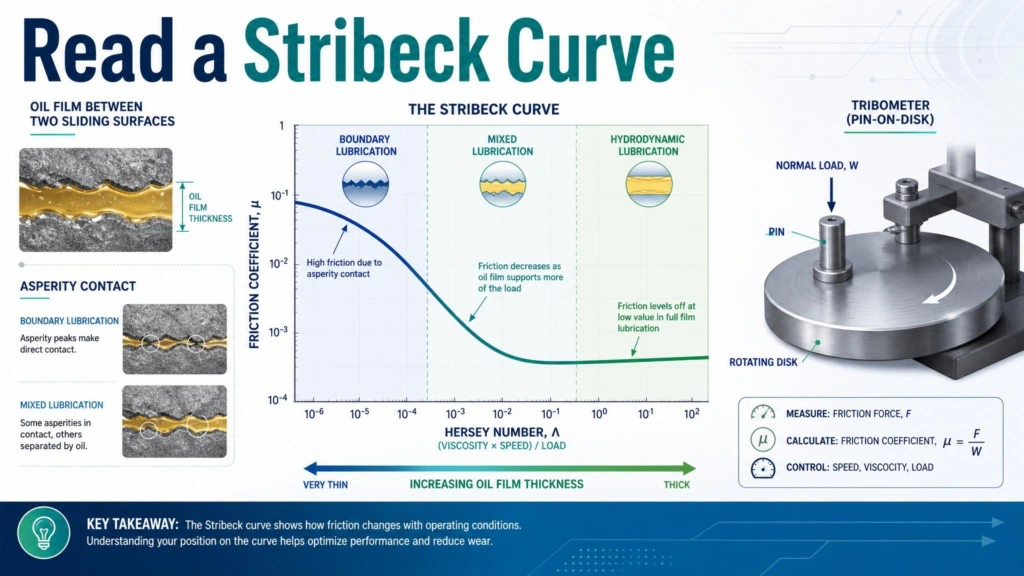
Pick the oil that matches the lubrication regime your component actually operates in — boundary, mixed, hydrodynamic, or elastohydrodynamic (EHD) — not the lowest viscosity grade or the most expensive brand on the shelf. The Stribeck curve is the working tool: it plots coefficient of friction against the Hersey number (viscosity × speed ÷ load) and divides lubrication into those regimes. [MODEL_ANALYSIS]
A component does not stay in one regime. A camshaft lobe at start-up sits in boundary lubrication, where asperities contact and anti-wear additives do the work. As speed rises and oil reaches the contact, it transitions to mixed and then EHD. [MODEL_ANALYSIS] The oil must therefore perform across all three regimes, not just the one you happen to test for.
Two levers act on the curve. Viscosity grade shifts it horizontally — higher viscosity moves you toward hydrodynamic lubrication. Additive chemistry changes the curve's height in the boundary and mixed zones. A 0W-20 and a 5W-40 may both protect a journal bearing in hydrodynamic operation, but their boundary performance depends entirely on the additive package. [MODEL_ANALYSIS]
Searchers ask "How does lubrication reduce friction?" and "How does oil reduce friction in moving parts?" The answer is regime-specific: in boundary, additives form sacrificial films; in hydrodynamic, the fluid film separates surfaces entirely. [SEARCH_EVIDENCE]
Where Each Regime Actually Occurs in Your Engine and Drivetrain
Camshaft lobes and followers: boundary and mixed
Camshaft lobes and follower contacts operate primarily in boundary and mixed regimes. Anti-wear additive chemistry — specifically ZDDP — is the primary protection here, not viscosity. [MODEL_ANALYSIS] A thicker oil does not help a cam lobe once the film has collapsed; only the tribofilm stands between metal and metal.
Piston rings and cylinder walls: all three regimes in one stroke
Piston rings and cylinder walls cycle through boundary, mixed, and hydrodynamic regimes within a single stroke. At top dead center and reversal points, boundary lubrication dominates. Mid-stroke, hydrodynamic lift takes over. [MODEL_ANALYSIS] This is why ring wear is highest at reversal points and why low-viscosity oils must maintain film strength under high temperature.
Journal bearings: hydrodynamic
Journal bearings — crankshaft and connecting rod — run predominantly in hydrodynamic lubrication once oil pressure is established. Viscosity and bearing clearance dominate here. [MODEL_ANALYSIS] Drop viscosity too far and you risk transitioning to mixed lubrication and asperity contact.
Gear teeth: elastohydrodynamic (EHD)
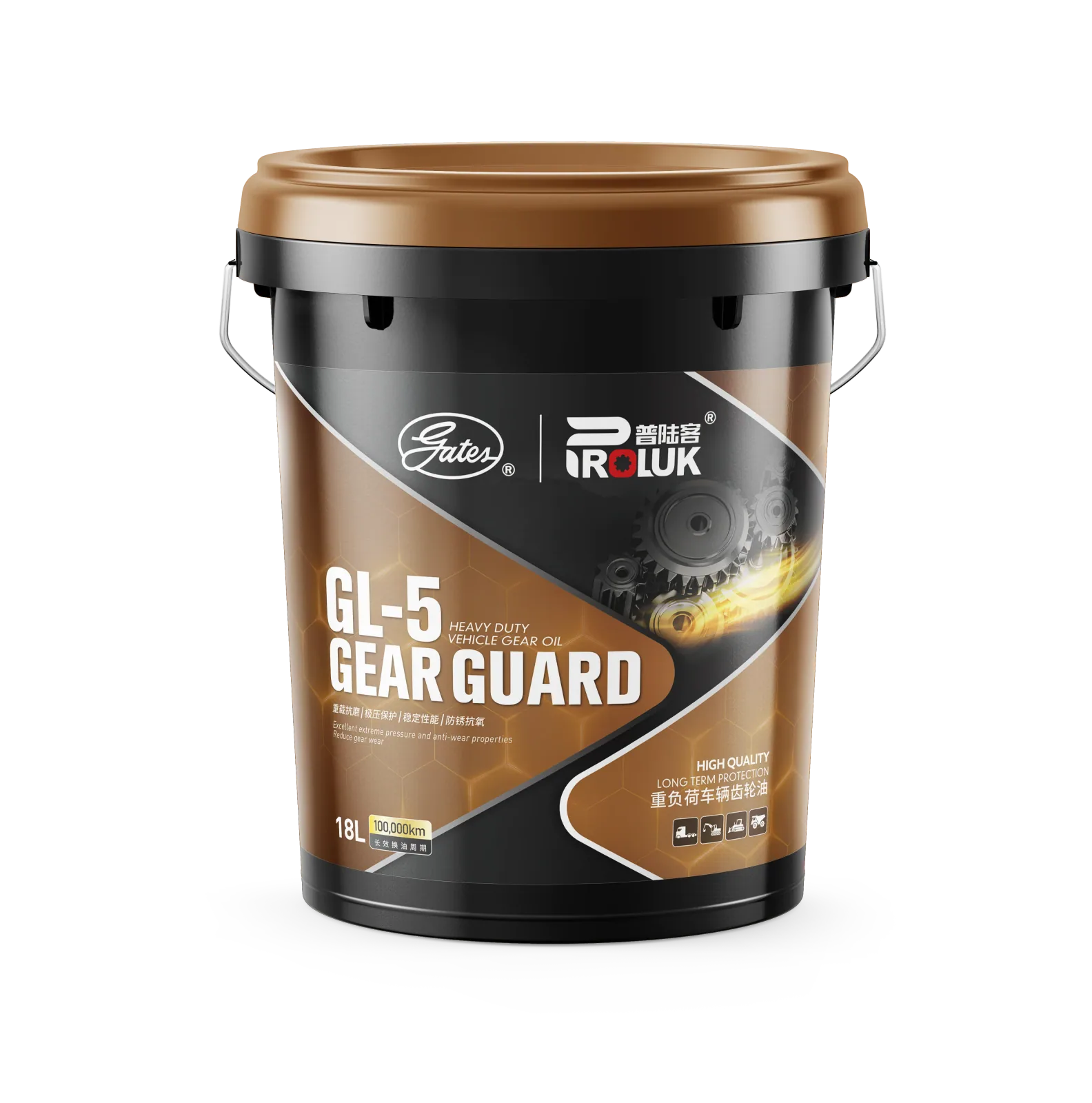
Gear teeth in transmissions and differentials operate in EHD lubrication under high contact pressure. Extreme-pressure (EP) additives and base-oil film thickness are both critical. [MODEL_ANALYSIS] A GL-5 75W-90 gear oil is formulated for this regime; an engine oil is not.
Additive Chemistry at the Contact: ZDDP, Molybdenum Friction Modifiers, and Boron Compounds
ZDDP: regime-activated anti-wear
ZDDP forms a sacrificial tribofilm on steel surfaces in boundary contacts. The film forms only where asperity contact generates enough heat and pressure — it is regime-activated, not continuously present. [MODEL_ANALYSIS] That is why ZDDP is effective at start-up and under high-load, low-speed conditions, but does little in full-film EHD.
Molybdenum friction modifiers: friction reduction, not wear reduction
Molybdenum-based friction modifiers (MoDTC, MoDDP) reduce friction in mixed and boundary regimes by forming MoS2 sheets at the contact. Their benefit is friction reduction, not necessarily wear reduction. [MODEL_ANALYSIS] Excessive MoDTC can compete with ZDDP for surface sites, potentially reducing anti-wear film formation.
Boron compounds: complementary surface chemistry
Boron compounds (borate esters, boronated succinimides) contribute to anti-wear and friction modification through different surface chemistry than ZDDP. They are often used to reduce ash or complement ZDDP in low-SAPS formulations. [MODEL_ANALYSIS] Boron additives can form a glassy film that is more temperature-stable than ZDDP in some conditions.
Additive competition is real: friction modifiers and anti-wear agents can compete for the same surface sites. More friction modifier does not always mean more protection — it can mean less. [MODEL_ANALYSIS]
The Friction-Wear Trade-Off: Why a Lower-Friction Oil Can Accelerate Wear
Friction and wear are governed by different mechanisms. Friction is a force response at the contact; wear is a material-loss process. Reducing one does not automatically reduce the other. [MODEL_ANALYSIS]
In boundary and mixed regimes, friction modifiers can form surface films that reduce friction but may interfere with or displace anti-wear films, potentially increasing wear under high-load, low-speed conditions. [MODEL_ANALYSIS] This is why some low-friction oils show excellent fuel economy but higher cam lobe wear in taxi fleets.
In hydrodynamic and EHD regimes, lower viscosity reduces viscous friction (improving efficiency) but reduces film thickness. If the film drops below the composite surface roughness, the component transitions into mixed or boundary contact and wear risk rises. [MODEL_ANALYSIS] The lambda ratio — film thickness divided by composite roughness — is your guide. A lambda above 3 indicates full-film; below 1 indicates boundary.
Searchers ask "Does lower friction always mean less wear?" and "Do friction modifiers reduce wear?" The answer is no — friction modifiers reduce friction, not necessarily wear. [SEARCH_EVIDENCE]
'Meets Specification' vs. 'OEM Approval': What Each Actually Validates
"Meets or exceeds" is a supplier claim that the oil's performance falls within a specification's test limits. It is not verified by the OEM and does not carry the OEM's liability. [MODEL_ANALYSIS] An OEM approval — a formal approval number listed on the OEM's approved-oil list — means the oil was tested against the OEM's own bench and engine tests and the OEM has accepted the result. [MODEL_ANALYSIS]
OEM approvals encode regime-specific validation. An approval for a turbocharged direct-injection engine includes tests for low-speed pre-ignition and timing-chain wear that a generic API/ACEA claim does not cover. [MODEL_ANALYSIS] This is why a Dexos1 Gen 3 approval matters more than an API SP claim for a modern GDI engine.
Searchers ask "Should I use OEM engine oil?" and "What does OEM certification mean?" The answer: use an oil with the OEM approval, not just a "meets specification" claim, because the approval validates regime-specific performance. [SEARCH_EVIDENCE]
Reading Your Driving Conditions as Regime Inputs
Short trips
Short trips keep oil below operating temperature, so components spend more time in boundary and mixed regimes. Anti-wear additive chemistry and cold-flow viscosity matter more than high-temperature EHD film thickness. [MODEL_ANALYSIS] A 0W-20 with a robust ZDDP package may outperform a 5W-40 with less anti-wear chemistry in this duty cycle.
Towing and heavy loads
Towing and heavy loads increase contact pressure and reduce the Hersey number, pushing gears and bearings toward mixed or boundary regimes. EP additives and higher viscosity become more important. [MODEL_ANALYSIS] A fleet towing trailers should not standardize on the same oil as a fleet doing light urban delivery.
Cold starts
Cold starts are the highest-wear event for camshaft lobes and bearings because oil has drained from the contact and boundary lubrication dominates until pressure builds. [MODEL_ANALYSIS] A 0W grade flows faster and reaches the contact sooner, but the additive package must still form a tribofilm.
The same vehicle can require different oil priorities depending on duty cycle. Profile routes — average trip length, load, ambient temperature — before standardizing on one oil. [MODEL_ANALYSIS]
Tribology Beyond the Combustion Engine: EV Drivetrains and Low-Viscosity Trends
EV drivetrains use dedicated fluids that must handle high-speed motor bearings, gear contacts, and copper-wire compatibility. The regime map shifts because there is no combustion byproduct, but EHD and mixed regimes in the gearbox remain. [MODEL_ANALYSIS] A fluid optimized for a combustion engine's camshaft may not be appropriate for an EV gearbox.
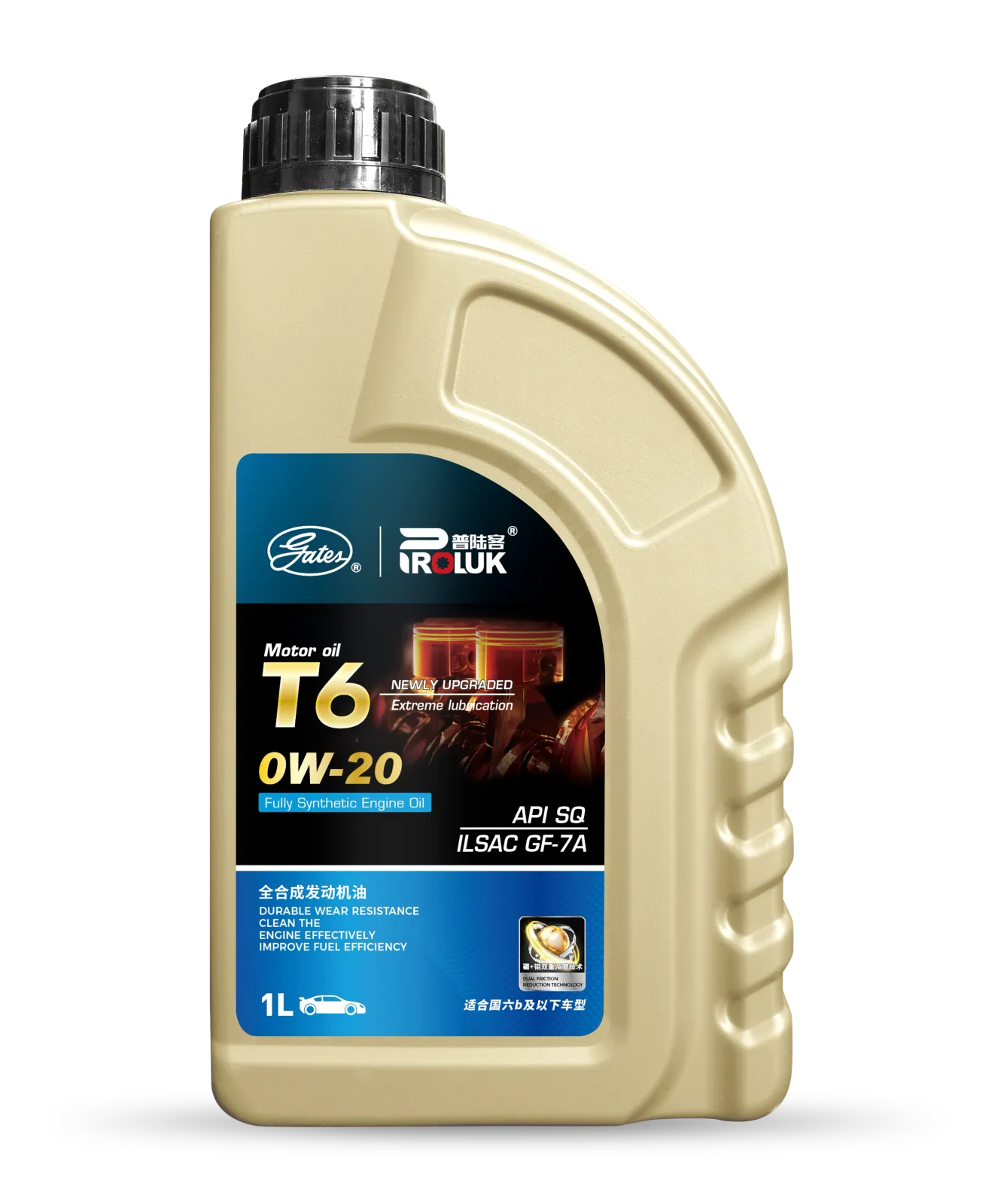
Low-viscosity engine oils (0W-16, 0W-20) reduce hydrodynamic friction for efficiency but narrow the margin between EHD film thickness and surface roughness. Regime transition risk increases in high-load, high-temperature operation. [MODEL_ANALYSIS] This is why OEMs pair low-viscosity oils with specific additive packages and approvals.
The regime framework is technology-agnostic: identify the contact, estimate its speed/load/viscosity ratio, and select chemistry and viscosity accordingly. This applies to EVs as much as to diesel engines. [MODEL_ANALYSIS]
Your Regime-Based Oil Selection Checklist: From Component to Approval in Five Decisions
- Identify the component and its dominant regime. Camshaft and rings: boundary/mixed. Journal bearings: hydrodynamic. Gears: EHD. [MODEL_ANALYSIS]
- Determine the duty cycle and whether it shifts the regime. Short trips, towing, cold starts — each pushes the component toward boundary or mixed. [MODEL_ANALYSIS]
- Match oil chemistry to the regime. ZDDP and anti-wear for boundary; friction modifiers for mixed; viscosity and EP for EHD. [MODEL_ANALYSIS]
- Evaluate the friction-wear trade-off using the lambda ratio and the component's regime exposure before accepting a friction-reduction claim. [MODEL_ANALYSIS]
- Verify the oil carries the relevant OEM approval, not just a "meets specification" claim, and confirm the approval covers the regime-specific tests for that application. [MODEL_ANALYSIS]
FAQ
Does lower friction always mean less wear?
No. Friction and wear are governed by different mechanisms. In boundary and mixed regimes, friction modifiers can reduce friction while interfering with anti-wear films, potentially increasing wear under high-load, low-speed conditions. [MODEL_ANALYSIS]
Is a "meets or exceeds" claim the same as an OEM approval?
No. "Meets or exceeds" is a supplier claim against a specification's test limits; it is not verified by the OEM and carries no OEM liability. An OEM approval means the oil was tested against the OEM's own bench and engine tests and accepted. [MODEL_ANALYSIS]
Can I use a thicker oil to protect a camshaft lobe?
Not once the film has collapsed. Camshaft lobes operate primarily in boundary and mixed regimes, where ZDDP tribofilm — not viscosity — is the primary protection. [MODEL_ANALYSIS]
Why do low-viscosity oils need specific approvals?
Low-viscosity oils reduce hydrodynamic friction but narrow the margin between EHD film thickness and surface roughness. OEMs pair them with specific additive packages and approvals to manage regime transition risk in high-load, high-temperature operation. [MODEL_ANALYSIS]
Do EV drivetrains follow the same regime framework?
Yes. EV gearboxes still see EHD and mixed regimes, and fluids must also handle high-speed motor bearings and copper-wire compatibility. The regime framework is technology-agnostic. [MODEL_ANALYSIS]
For commercial fleets, our CH-4 15W-40 18L and CI-4 15W-40 18L provide robust anti-wear chemistry for mixed and boundary regimes. For heavy-duty gearboxes, GL-5 75W-90 18L delivers EP protection for EHD contacts. Explore our full range of automotive lubricants to match chemistry to regime.