Shear Stability Under High Load: How to Match PSSI to Your Duty Cycle (and Stop Over-Specifying)
A lubricant that loses 20% of its viscosity in 100 hours of high-load service costs more in wear and downtime than it saves in fuel. That is the core economic reality of shear stability, and it is why the metric cannot be treated as a generic 'higher is better' specification. Permanent shear stability is the dominant concern under sustained high load; temporary shear is recoverable and primarily affects fuel economy and HTHS at the bearing. [SEARCH_EVIDENCE]
Over-specifying shear stability — chasing the lowest possible PSSI — sacrifices other performance properties the application may also require: low-temperature pumpability, fuel economy, and sometimes deposit control. A fleet that selects an extreme-duty shear-stable oil for moderate-load delivery routes pays more per liter and may lose fuel economy without a corresponding wear or drain-interval benefit. [MODEL_ANALYSIS]
The decision rule is straightforward: match the viscosity modifier's shear resistance to the actual load regime, not to a generic 'best' threshold. A moderate-load fleet may never see the 20% viscosity loss that a heavy-haul operation experiences in a single drain interval. The same oil that is over-engineered for one duty cycle is under-engineered for another. [MODEL_ANALYSIS]
This framework gives you the mechanical understanding, the data interpretation tools, and the selection criteria to make that match correctly.
Temporary vs. Permanent Shear: What Actually Happens to the Viscosity Modifier Under Load
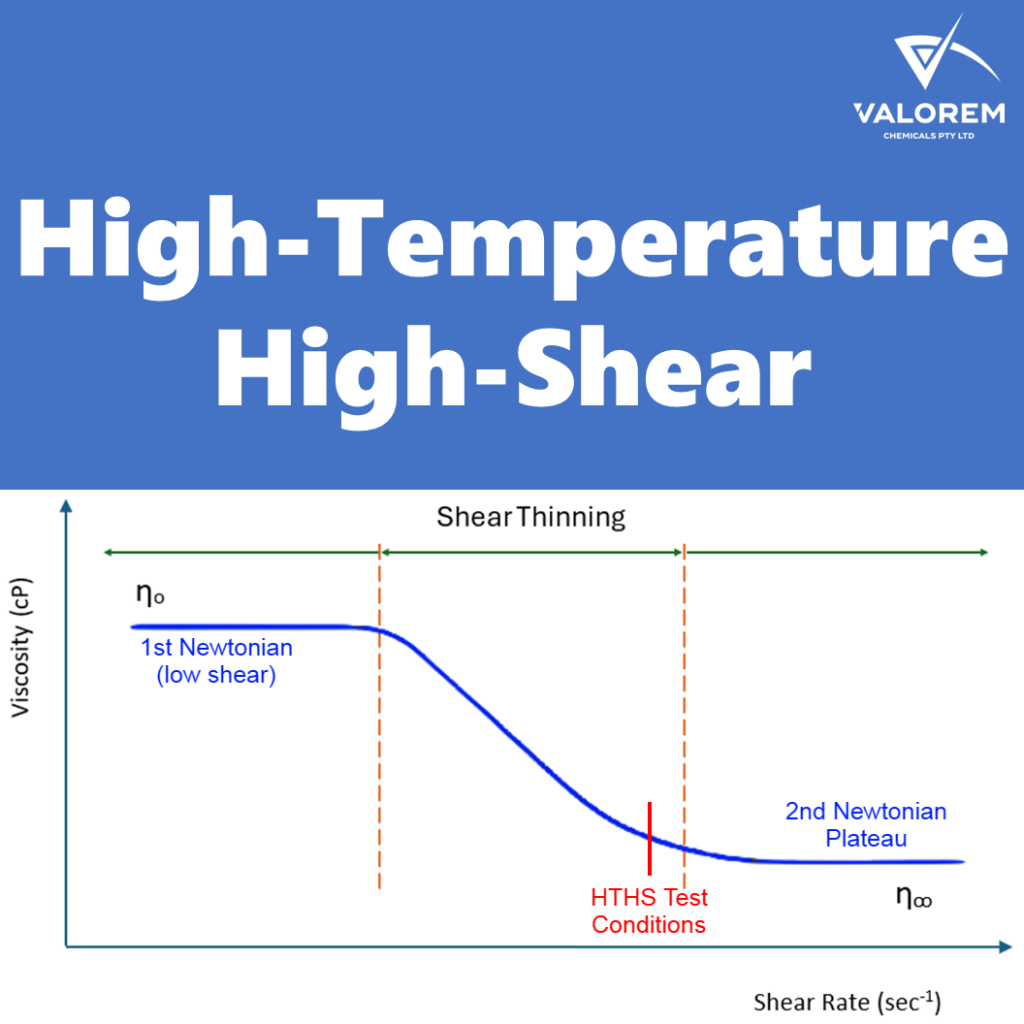
Temporary shear is reversible polymer alignment; permanent shear is irreversible polymer scission. The distinction determines whether you are managing a fuel-economy concern or a wear and drain-interval concern. [SEARCH_EVIDENCE]
Under high shear stress, viscosity modifier polymer molecules align with the flow direction, reducing viscosity reversibly. When the stress drops — as the oil moves away from the bearing or gear mesh — the polymers coil back and viscosity recovers. This temporary shear affects HTHS viscosity at the bearing and therefore fuel economy, but it does not permanently degrade the oil. [SEARCH_EVIDENCE]
Permanent shear is different. Under sustained high shear stress, the mechanical forces exceed the carbon-carbon bond strength in the polymer backbone, causing scission — the polymer chain breaks into smaller fragments. The molecular weight drops irreversibly, and the polymer's thickening power is permanently reduced. This is what PSSI and SSI measure. [SEARCH_EVIDENCE]
The distinction matters for selection because the two modes have different consequences. Temporary shear is a fuel-economy and HTHS concern; permanent shear is a wear, film thickness, and drain-interval concern. An oil that temporarily shears to a lower HTHS at the bearing may still protect the component if the base oil film is adequate. An oil that permanently shears below the OEM's minimum viscosity will not. [MODEL_ANALYSIS]
Polymer architecture determines which mode dominates. Linear OCPs are more prone to scission than star or hydrogenated styrene-isoprene polymers because their linear backbone is more susceptible to mechanical cleavage under the same shear stress. [SEARCH_EVIDENCE]
Reading PSSI and SSI: What the Numbers Mean and What Thresholds Are Acceptable for High-Load vs. Moderate-Load Service
PSSI and SSI both express the percentage of viscosity loss attributable to permanent shear. Lower is better for shear stability, but the acceptable threshold depends entirely on the load regime. [SEARCH_EVIDENCE]
PSSI (Permanent Shear Stability Index) and SSI (Shear Stability Index) are calculated from viscosity measurements before and after a standardized shear test. A PSSI of 10 means the oil lost 10% of its viscosity-contributing thickening power to permanent shear. The number is not a measure of the oil's absolute viscosity — it is a measure of how much the viscosity modifier degraded. [SEARCH_EVIDENCE]
High-load applications — heavy-duty diesel, industrial gearboxes, powershift transmissions, racing — generally require PSSI below 10–15, with some OEM specs demanding below 5 for extended drain intervals. [SEARCH_EVIDENCE] The reason is straightforward: under sustained high load, a higher-PSSI oil will shear down faster, dropping below the OEM's minimum viscosity before the drain interval ends. That viscosity loss reduces film thickness, increases wear, and can void warranty coverage. [MODEL_ANALYSIS]
Moderate-load applications — passenger car engine oil, light-duty automatic transmissions — can tolerate PSSI in the 15–25 range without compromising component life. These applications may actually benefit from the fuel-economy properties of higher-PSSI viscosity modifiers, because the shear environment is less severe and the permanent shear accumulates more slowly. [SEARCH_EVIDENCE]
The threshold is not universal. It must be read alongside the OEM specification and the intended drain interval. A low-PSSI oil that does not meet the OEM's other requirements — HTHS minimum, deposit control, seal compatibility — is still the wrong choice. The PSSI value is a necessary but not sufficient selection criterion. [MODEL_ANALYSIS]
Test Methods Decoded: What ASTM D6278, ASTM D7109, CEC L-14-A-93 (KRL), and ASTM D5621 Actually Simulate in Real Service
A PSSI value is only meaningful when the test method is stated. Comparing a D6278 PSSI to a D7109 PSSI is an apples-to-oranges comparison that can lead to the wrong selection. [SEARCH_EVIDENCE]
ASTM D6278 (Kurt Orbahn) and CEC L-14-A-93 (KRL) are the standard methods for engine oil shear stability. KRL is widely used in European OEM specifications and is considered more severe for some polymer types. Both methods pass the oil through a high-shear pump or injector nozzle, simulating the shear environment of an engine's fuel injectors and bearings. [SEARCH_EVIDENCE]
ASTM D7109 (tapered roller bearing) is used for gear oils and some transmission fluids. It simulates the high-pressure, high-shear environment of a gear mesh — the point where two gear teeth contact and the lubricant film is subjected to extreme pressure and shear. A gear oil's PSSI by D7109 is the relevant number for predicting performance in a differential or manual transmission. [SEARCH_EVIDENCE]
ASTM D5621 (sonic shear) uses ultrasonic energy to induce shear and is used for hydraulic fluids and some gear oils. It simulates high-frequency shear rather than mechanical gear-mesh shear. Hydraulic systems subject the fluid to rapid pressure fluctuations and high-frequency shear at valve orifices, so D5621 is the appropriate method for those applications. [SEARCH_EVIDENCE]
When you compare products, confirm the test method first. A gear oil with a PSSI of 8 by D7109 is not directly comparable to an engine oil with a PSSI of 8 by D6278. The shear environments are different, and the polymer response to each environment is different. [MODEL_ANALYSIS]
Viscosity Modifier Chemistry: Quantitative Shear Stability Differences Between OCP, Hydrogenated Styrene-Isoprene, and PMA Under High Load
The type of viscosity modifier in the formulation determines its shear stability more than the base oil does. The chemistry-level ranking is consistent: hydrogenated styrene-isoprene and PMA deliver better shear stability than conventional OCP, but each brings trade-offs in cost, thickening efficiency, and low-temperature performance. [SEARCH_EVIDENCE]
OCP (olefin copolymer) offers good thickening efficiency and low cost, but linear OCPs are more prone to permanent shear. Higher-molecular-weight OCPs shear more than lower-molecular-weight versions because the longer polymer chain is more susceptible to mechanical scission. OCP is the workhorse chemistry for many moderate-load applications where cost is a primary driver. [SEARCH_EVIDENCE]
Hydrogenated styrene-isoprene (HSI) delivers significantly better shear stability than conventional OCP, with good thickening efficiency. It is often used in high-load engine oils and gear oils where PSSI below 10 is required. The hydrogenated backbone is more resistant to scission than the linear OCP backbone, which is why HSI formulations can meet the low-PSSI thresholds that high-load OEM specs demand. [SEARCH_EVIDENCE]
PMA (polymethacrylate) offers excellent shear stability and good low-temperature properties, but lower thickening efficiency and higher cost. It is often used in fuel-economy formulations and some high-load applications where low-temperature performance is also critical. The lower thickening efficiency means higher treat rates may be required to achieve the target viscosity, which partially offsets the shear stability advantage in cost terms. [SEARCH_EVIDENCE]
The trade-off is clear: HSI and PMA deliver lower PSSI but may cost more or require higher treat rates. OCP delivers cost-effective thickening but may not meet low-PSSI OEM specs for extended-drain high-load service. The selection decision is not 'which chemistry is best' but 'which chemistry meets the OEM spec at the lowest total cost of ownership for this duty cycle.' [MODEL_ANALYSIS]
The Fuel-Economy vs. Shear-Stability Trade-Off: Why Low-Viscosity Formulations Are More Shear-Prone Under Sustained High Load
Fuel-economy-driven low-viscosity formulations often use higher treat rates of viscosity modifier or more shear-prone polymer chemistries to achieve the required HTHS while minimizing viscosity. Under sustained high load, these formulations can suffer permanent shear that drops viscosity below the OEM's minimum. [SEARCH_EVIDENCE]
The mechanism is straightforward. To meet a 0W-20 or 0W-16 viscosity grade while maintaining the HTHS required for bearing protection, formulators must use a viscosity modifier that thickens the base oil at high temperature. If the base oil is very low viscosity, the viscosity modifier must do more work — which means higher treat rate or a more shear-prone polymer. Under sustained high load, that polymer is more likely to undergo permanent scission. [SEARCH_EVIDENCE]
The consequence is real: viscosity drops below the OEM's minimum, film thickness decreases, wear increases, and warranty coverage may be voided. For a fleet operating under sustained high load — towing, heavy payload, high ambient temperature, extended drain — the fuel-economy benefit of a low-viscosity formulation may be erased by the cost of premature wear and shortened drain intervals. [MODEL_ANALYSIS]
The decision rule: if the duty cycle includes sustained high load or extended drain intervals, prioritize permanent shear stability (low PSSI) over marginal fuel-economy gains from shear-prone viscosity modifiers. For moderate-load fleets, the fuel-economy benefit may be real and the shear risk may never materialize. The trade-off must be evaluated against the actual duty cycle, not a worst-case assumption. [MODEL_ANALYSIS]
Practical Selection Criteria: Specifications, OEM Approvals, and PSSI Thresholds to Look For When Buying for High-Load Service
Start with the OEM approval. The approval already encodes a minimum shear stability requirement for the application, so an oil that meets the approval is a safer starting point than one that only claims a low PSSI. [SEARCH_EVIDENCE]
Check the PSSI/SSI value and the test method. For high-load service, look for PSSI below 10–15 by ASTM D6278 or CEC L-14-A-93 (KRL) for engine oils, or by ASTM D7109 for gear oils. If the data sheet does not state the test method, ask the supplier — a PSSI value without a method is not actionable. [SEARCH_EVIDENCE]
Verify the viscosity modifier chemistry if disclosed. Hydrogenated styrene-isoprene or PMA generally indicates better shear stability than conventional OCP. If the chemistry is not disclosed, the OEM approval and the PSSI value are your primary selection criteria. [SEARCH_EVIDENCE]
Confirm the drain interval the oil is rated for. An oil with a low PSSI but a short drain interval may not deliver the cost benefit you expect. An oil with a higher PSSI but a long drain interval may be acceptable if the load regime is moderate. The total cost of ownership calculation must include the drain interval, not just the PSSI value. [MODEL_ANALYSIS]
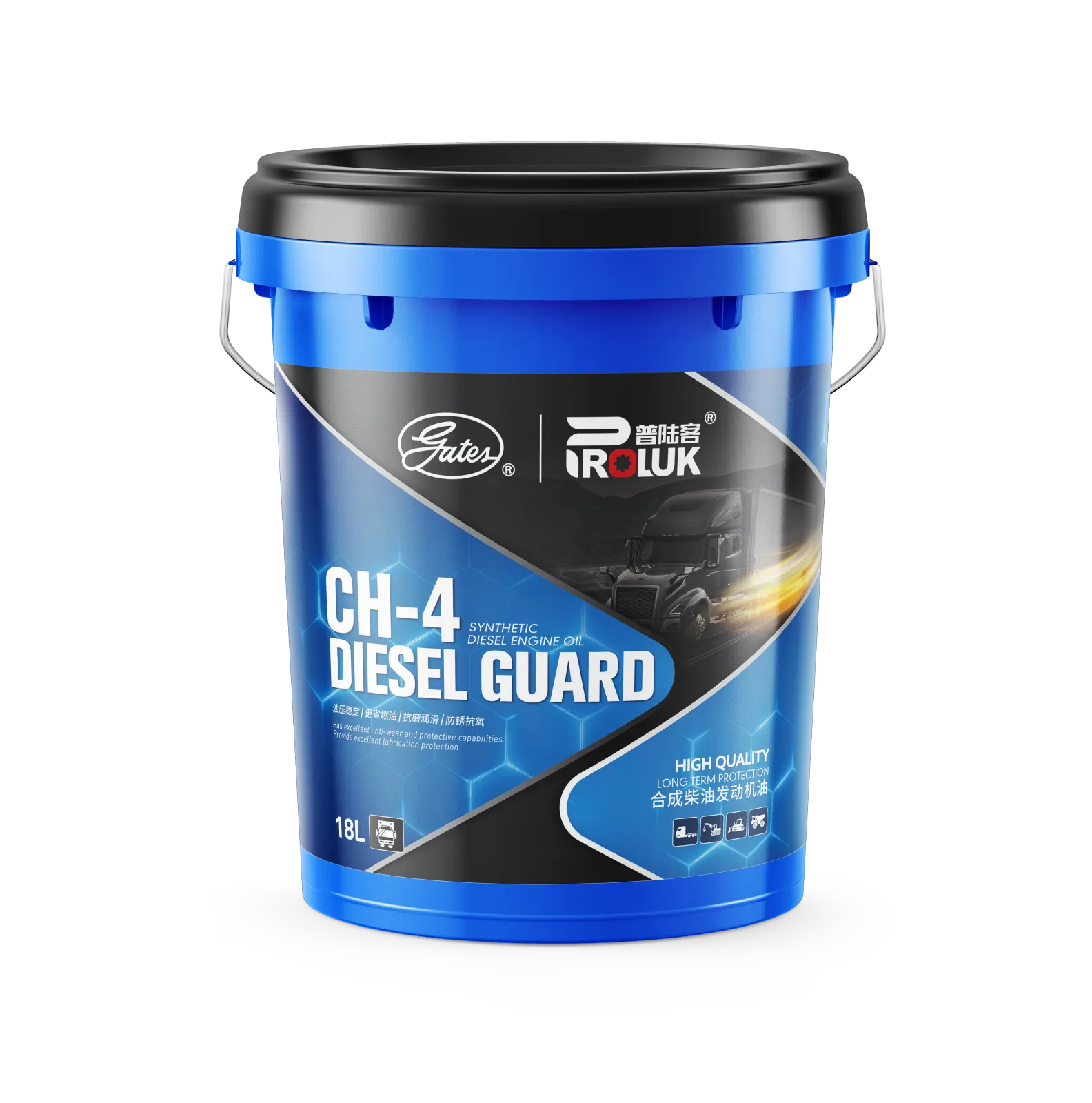
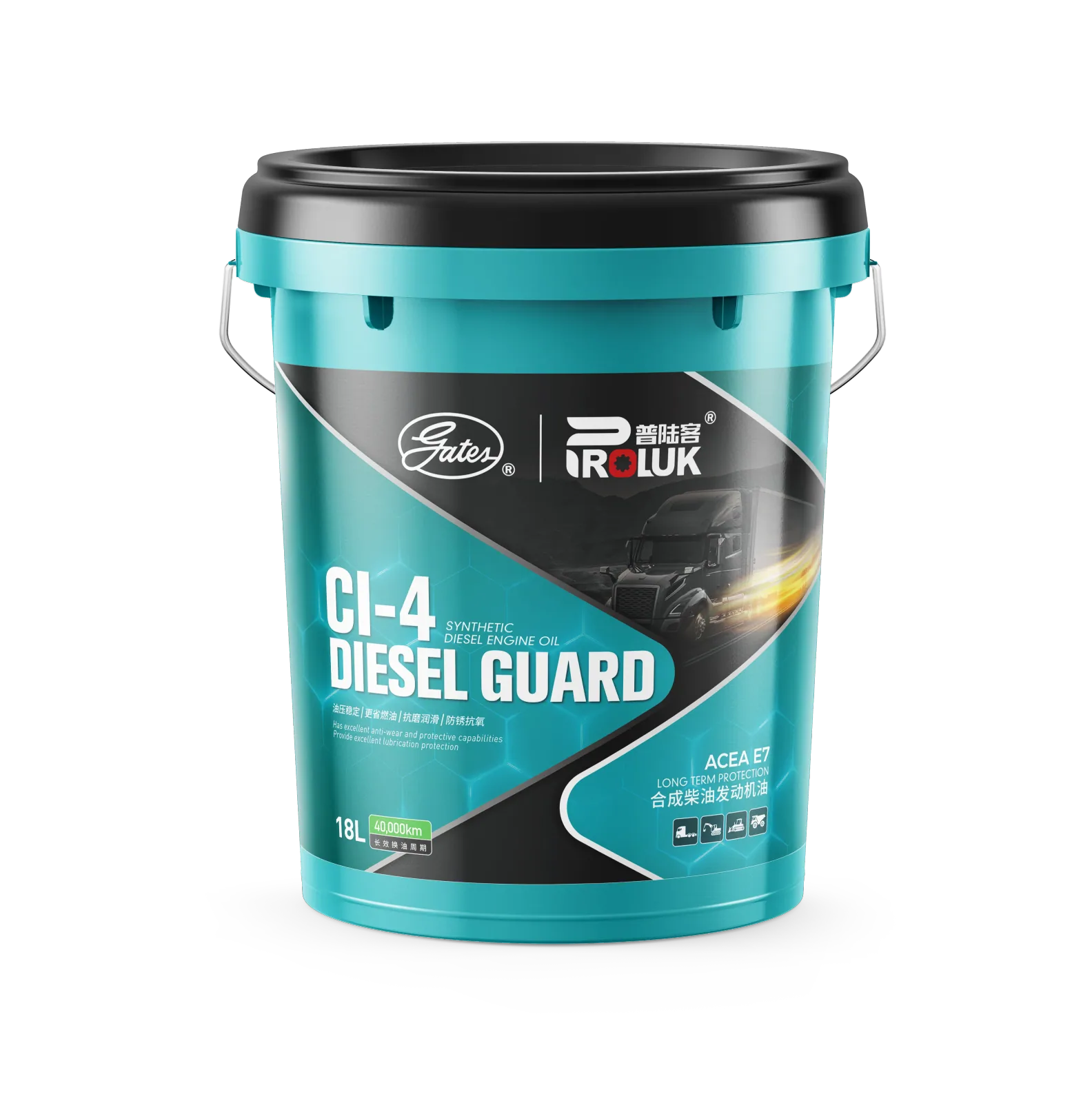
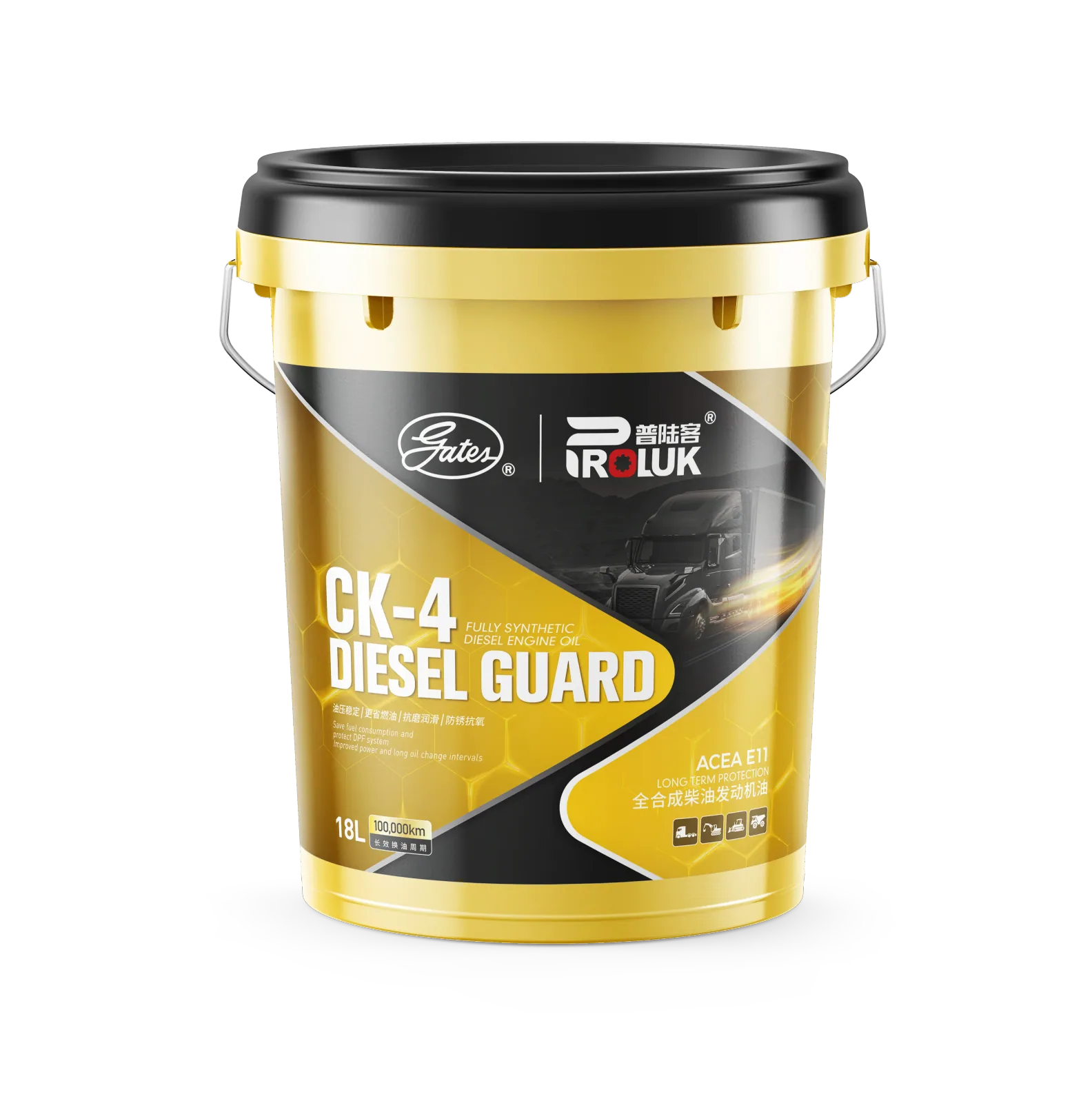
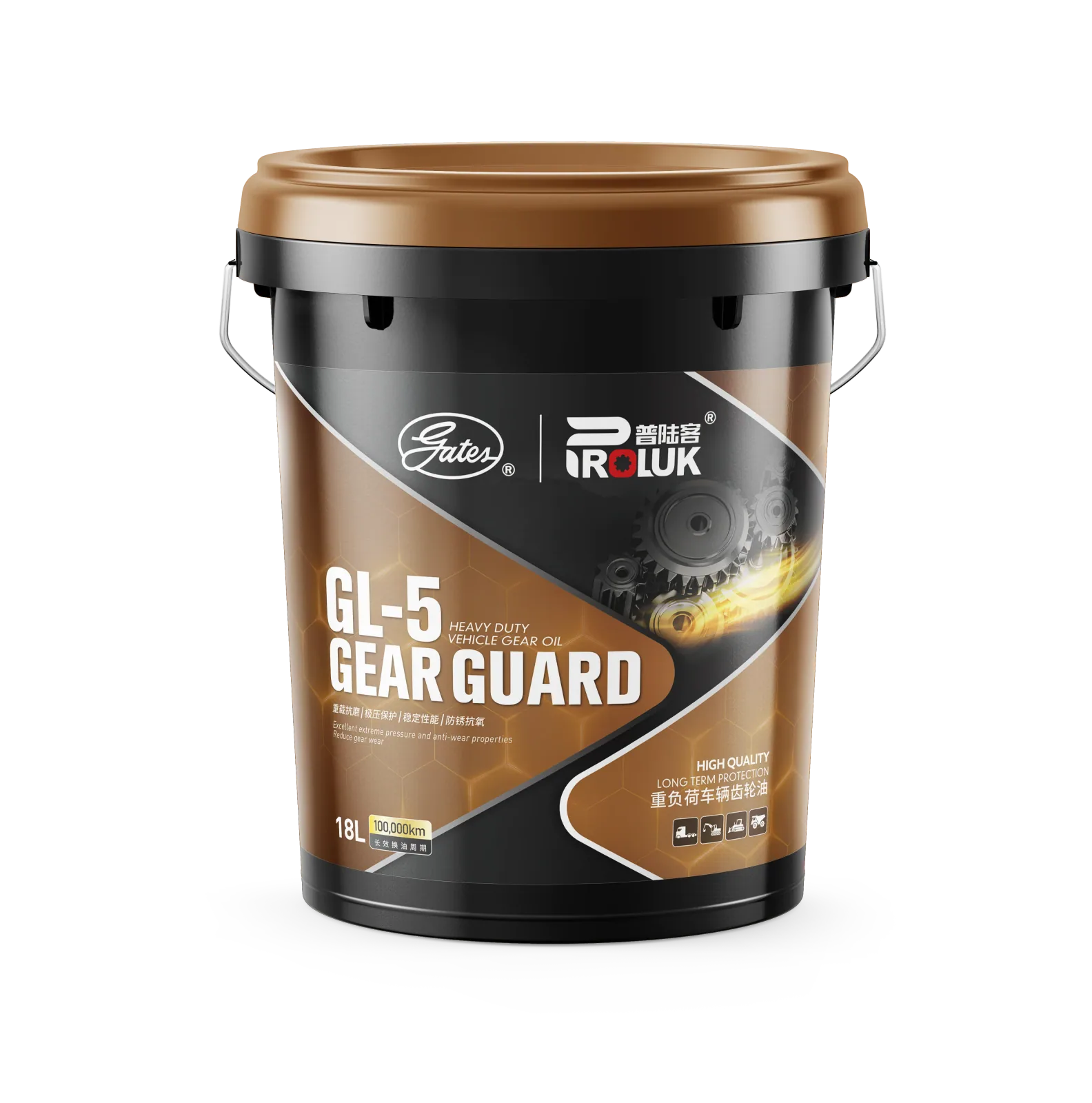
For heavy-duty diesel engine oils, products such as CH-4 15W-40 18L, CI-4 15W-40 18L, and CK-4 10W-40 18L are formulated to meet the shear stability requirements of their respective API categories. For gear oil applications, GL-5 75W-90 18L is specified for high-load differential and manual transmission service. [FACT_FROM_DATABASE]
Matching Shear Stability to Your Load Regime: A Decision Matrix for Engine, Gear, and Transmission Applications
Define your load regime first, then select the PSSI threshold and viscosity modifier chemistry that matches it. The three regimes are moderate, high, and extreme. [MODEL_ANALYSIS]
Moderate load: passenger car, light-duty delivery, intermittent load. Acceptable PSSI range: 15–25 by the relevant test method. Preferred viscosity modifier chemistry: OCP or lower-molecular-weight HSI. OEM approval types to prioritize: API SP, ILSAC GF-6, dexos1, or the OEM's standard passenger car specification. The fuel-economy benefit of a higher-PSSI oil is real in this regime, and the shear risk is low. [MODEL_ANALYSIS]
High load: heavy-duty diesel, towing, vocational fleet, industrial gearbox. Acceptable PSSI range: below 10–15 by ASTM D6278 or CEC L-14-A-93 for engine oils, or by ASTM D7109 for gear oils. Preferred viscosity modifier chemistry: hydrogenated styrene-isoprene or PMA. OEM approval types to prioritize: API CK-4, ACEA E6/E9, or the OEM's heavy-duty specification. The shear environment is severe enough that a higher-PSSI oil will shear down before the drain interval ends. [MODEL_ANALYSIS]
Extreme load: racing, mining, powershift transmission, extended-drain heavy load. Acceptable PSSI range: below 5–10 by the relevant test method. Preferred viscosity modifier chemistry: hydrogenated styrene-isoprene or high-stability PMA. OEM approval types to prioritize: the OEM's extreme-duty specification or the racing sanctioning body's requirement. The margin for error is smallest in this regime, and the cost of a shear-related failure is highest. [MODEL_ANALYSIS]
The over-specification warning: moderate-load fleets that choose extreme-duty shear stability may pay more and sacrifice fuel economy without a corresponding wear or drain-interval benefit. The under-specification warning: high-load fleets that choose moderate-load shear stability may see premature viscosity loss, increased wear, and shortened drain intervals. Match the regime to the specification, not to a generic 'best' threshold. [MODEL_ANALYSIS]
For a complete overview of our lubricant range, see our automotive lubricants page. To discuss specific high-load applications and shear stability requirements, contact us. [FACT_FROM_DATABASE]