Lubricant Oxidation Stability and Oil Life: How to Read RPVOT, FTIR, and LSV Data for Condition-Based Drain Decisions
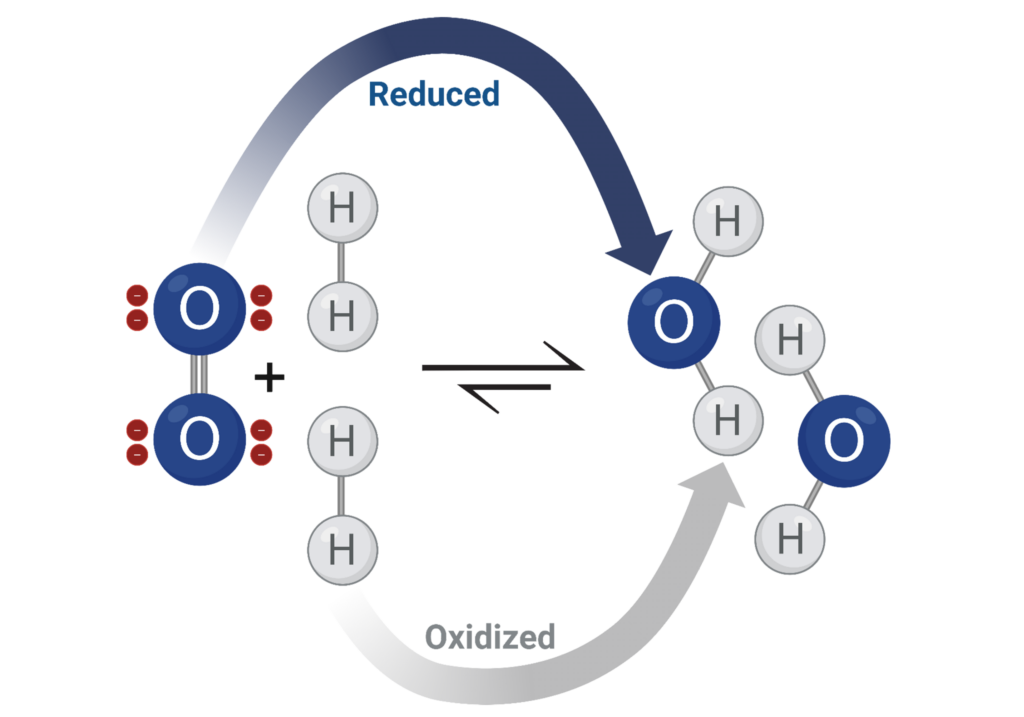
Oil life ends when the lubricant can no longer protect the equipment—not when the calendar says so or the odometer hits a predetermined number. The mechanism that most often drives that endpoint is oxidation: a chain reaction in which heat and oxygen attack base oil molecules, forming peroxides that decompose into acids, aldehydes, and ketones. These by-products polymerize into sludge and varnish, thicken the oil, and deplete the additives designed to protect surfaces. [SEARCH_EVIDENCE]
The visible consequences—viscosity increase, sludge, varnish, acid formation, and additive depletion—are the actual failure modes. A dark oil may still have useful life; a clear oil may be near the end. The only reliable way to know is to measure the chemical markers of oxidation and antioxidant depletion, not to rely on appearance or a fixed interval. [MODEL_ANALYSIS]
This reframes oil life as a measurable, manageable variable. Instead of asking "how many miles until the next change?" the better question is "what is the remaining oxidation stability, and what is accelerating its decline?" The answer comes from combining oxidation tests, additive-depletion data, and contamination monitoring into a condition-based strategy.
What Accelerates Oxidation: Temperature, Metals, Contamination, and Additive Depletion
Temperature is the primary accelerator. Oxidation rate roughly doubles for every 10°C (18°F) increase above a threshold, making sump temperature and hot spots critical variables. [SEARCH_EVIDENCE] In an engine, a 10°C rise in oil temperature can halve the time before antioxidants are consumed. In a gearbox, thermal load from high torque and low speed can create local hot spots that drive oxidation even when bulk oil temperature looks normal.
Metal catalysis from copper (Cu) and iron (Fe) surfaces accelerates peroxide decomposition. [SEARCH_EVIDENCE] Copper, in particular, is a strong oxidation catalyst; even small amounts of copper wear or corrosion can shorten oil life. Contamination from water, fuel, soot, and glycol introduces additional oxidation pathways. Water promotes rust and can react with additives; fuel dilution thins the oil and lowers its oxidative resistance; soot acts as a catalyst and increases viscosity; glycol from coolant leaks is highly aggressive.
Antioxidant additives deplete as they sacrificially react with peroxides. Once depleted, base oil oxidation accelerates rapidly. [SEARCH_EVIDENCE] This is why monitoring antioxidant concentration is as important as measuring oxidation by-products.
The dominant accelerator varies by application. In engines, coolant leaks and fuel dilution are common. In gearboxes, thermal load dominates. In transmissions, water ingress and clutch material contamination are key. Condition monitoring must target the right stressor for the application. [MODEL_ANALYSIS]
How Oxidation Stability Is Tested: RPVOT, FTIR, LSV, and What Each Test Actually Measures
RPVOT (ASTM D2272) measures the time for a sample to consume a fixed amount of oxygen under heat and pressure in the presence of a copper catalyst and water. [SEARCH_EVIDENCE] It is a measure of remaining antioxidant capacity, not a direct oil-life predictor. A high RPVOT indicates a large reserve of antioxidants; a low RPVOT means the oil is close to the end of its induction period, after which oxidation will accelerate.
FTIR (ASTM E2412) tracks oxidation by-products (carbonyl peaks), nitration, sulfation, and additive depletion by comparing used oil spectra to new oil reference spectra. [SEARCH_EVIDENCE] It shows the accumulation of oxidation products and the loss of specific additive peaks. FTIR is excellent for trend analysis but does not directly measure remaining antioxidant capacity.
LSV (Linear Sweep Voltammetry, ASTM D6810) measures remaining hindered phenolic antioxidant concentration, and RULER (ASTM D6971) measures both phenolic and aminic antioxidants. [SEARCH_EVIDENCE] These tests quantify the actual antioxidant species that protect the base oil. They are more direct than RPVOT for tracking depletion of specific antioxidant classes.
RPVOT alone is insufficient because it does not capture contamination effects, base oil degradation, or the depletion of specific antioxidant classes. It must be paired with FTIR and LSV/RULER data for a reliable oil-life assessment. [MODEL_ANALYSIS] For example, an oil with a high RPVOT but high FTIR oxidation may be contaminated, while an oil with low RPVOT but low FTIR oxidation may simply have a different antioxidant package that is still effective.
Interpreting Oxidation Results for Remaining Oil Life: A Decision Framework
Step 1: Establish a new-oil baseline for RPVOT, FTIR oxidation, and LSV/RULER so you can calculate percent remaining for each parameter. [MODEL_ANALYSIS] Without a baseline, you cannot know how much antioxidant capacity has been consumed or how much oxidation has occurred.
Step 2: Track trends, not single values. A falling RPVOT with rising FTIR oxidation and falling LSV indicates advancing oxidation. A stable RPVOT with rising FTIR oxidation suggests contamination-driven degradation. [MODEL_ANALYSIS] The pattern matters more than any single number.
Step 3: Set action limits based on equipment criticality and oil cost. For example, flag for investigation when RPVOT drops below 50% of new-oil value or FTIR oxidation exceeds a defined absorbance threshold. [MODEL_ANALYSIS] These limits should be tailored to the application; a critical gearbox may warrant tighter limits than a low-cost engine.
Step 4: Combine with contamination data (water, fuel, soot, wear metals) to decide whether to drain, top-up, or treat the oil. [MODEL_ANALYSIS] If contamination is the primary driver, addressing the root cause (e.g., fixing a coolant leak) may extend oil life more than changing the oil.
No single test or fixed percentage predicts remaining oil life. The decision comes from the combination of oxidation, additive depletion, and contamination trends. [MODEL_ANALYSIS]
Base Oil and Formulation Effects: Why Synthetic and Mineral Oils Age Differently
Synthetic base oils (PAO, esters) generally have higher inherent oxidation stability than mineral oils because they lack the unstable molecular structures and sulfur/nitrogen compounds that accelerate oxidation. [SEARCH_EVIDENCE] This is why synthetics often deliver longer oil life in high-temperature applications.
Antioxidant selection—hindered phenolics, aminic antioxidants, and synergistic combinations—determines the induction period before rapid oxidation begins. Different base oils respond differently to the same antioxidant package. [SEARCH_EVIDENCE] A formulator must match the antioxidant system to the base oil and the expected operating conditions.
Formulators trade off oxidation stability against other performance attributes. Higher antioxidant treat rates can improve oxidation life but may increase deposit tendency, affect seal compatibility, or raise cost. [MODEL_ANALYSIS] The goal is a balanced formulation that meets all performance requirements, not just a high RPVOT number.
A higher RPVOT number does not automatically mean longer real-world oil life. The base oil's response to contamination and the balance of the additive package matter as much as the initial antioxidant capacity. [MODEL_ANALYSIS] An oil with a moderate RPVOT but excellent contamination resistance may outperform a high-RPVOT oil in a dirty environment.
From Fixed Intervals to Condition-Based Oil Changes: A Practical Strategy
Step 1: Select monitoring parameters—RPVOT, FTIR oxidation, LSV/RULER, viscosity, water, fuel dilution, soot, and wear metals—based on application criticality and oil cost. [MODEL_ANALYSIS] Not every application needs every test; a critical fleet may monitor all, while a small operation may focus on the most cost-effective indicators.
Step 2: Establish a new-oil baseline and set trend-based action limits (e.g., RPVOT < 50% of new, FTIR oxidation above a defined threshold, viscosity increase > 20%). [MODEL_ANALYSIS] These limits are starting points; adjust based on experience and equipment manufacturer recommendations.
Step 3: Sample at intervals that capture the oxidation curve—more frequently as the oil approaches its action limit—and adjust based on trends. [MODEL_ANALYSIS] Early in the oil's life, sampling intervals can be longer; as oxidation accelerates, shorten them to avoid exceeding limits.
Step 4: Use the data to extend oil life when oxidation and contamination are low, and to shorten it when trends accelerate, rather than applying a single fixed interval across all units. [MODEL_ANALYSIS] This is the core of condition-based maintenance: let the oil tell you when it needs changing.
Condition-based oil changes reduce total lubricant cost by avoiding unnecessary drains and preventing equipment damage from over-extended oil. [MODEL_ANALYSIS] The savings come from both reduced oil purchase and disposal costs and from avoiding downtime and repairs.
The Manufacturer Perspective: How Formulation and Contamination Control Determine Real-World Oil Life
Manufacturers formulate for a target oil life based on expected operating conditions, but real-world life depends on contamination control and operating temperature—factors the end user controls. [MODEL_ANALYSIS] A lubricant that performs well in a clean, cool environment may fail prematurely in a dirty, hot one.
No formulation can overcome severe contamination (coolant leaks, fuel dilution, dust ingress) or excessive temperature. The most effective oil-life strategy combines the right formulation with contamination control. [MODEL_ANALYSIS] This is why maintenance practices—air filtration, coolant system integrity, and temperature management—are as important as oil selection.
When evaluating a lubricant, ask for the new-oil RPVOT, FTIR, and LSV baseline data and the recommended condition-based action limits—not just a drain interval. [MODEL_ANALYSIS] A supplier who can provide this data is more likely to support a successful condition-based program.
The economic trade-off: extending oil life reduces lubricant purchase and disposal costs but requires investment in monitoring. The break-even depends on oil cost, equipment criticality, and sampling frequency. [MODEL_ANALYSIS] For high-cost synthetics in critical equipment, the investment in monitoring often pays back quickly; for low-cost oils in non-critical applications, it may not.
For specific product options, you can explore our automotive lubricants range, including CH-4 15W-40 18L and CI-4 15W-40 18L for commercial vehicles, or CK-4 10W-40 18L for newer engines. For gearboxes, consider GL-5 75W-90 18L. Always consult your equipment manual and oil analysis program to set appropriate intervals.
FAQ
What is the most reliable test for remaining oil life?
No single test is reliable on its own. RPVOT measures remaining antioxidant capacity, FTIR tracks oxidation by-products and additive depletion, and LSV/RULER quantifies specific antioxidant species. The decision comes from combining these with contamination data (water, fuel, soot, wear metals) and tracking trends against a new-oil baseline. [MODEL_ANALYSIS]
Can I extend oil life if RPVOT is still high?
A high RPVOT indicates a large antioxidant reserve, but it does not capture contamination effects or base oil degradation. If FTIR oxidation is low and contamination is controlled, extension may be justified. If FTIR oxidation is rising or contamination is present, address the root cause before extending. [MODEL_ANALYSIS]
How often should I sample for oxidation testing?
Sample at intervals that capture the oxidation curve—longer intervals early in the oil's life, shorter as the oil approaches its action limit. The frequency depends on application criticality, oil cost, and how quickly trends are changing. [MODEL_ANALYSIS]
Does a higher RPVOT always mean longer oil life?
No. A higher RPVOT number does not automatically mean longer real-world oil life. The base oil's response to contamination and the balance of the additive package matter as much as initial antioxidant capacity. [MODEL_ANALYSIS]
What action limits should I set for RPVOT and FTIR?
Starting points include flagging for investigation when RPVOT drops below 50% of new-oil value or FTIR oxidation exceeds a defined absorbance threshold. These limits should be tailored to the application; a critical gearbox may warrant tighter limits than a low-cost engine. Adjust based on experience and equipment manufacturer recommendations. [MODEL_ANALYSIS]