
How often should you change your oil? For most modern vehicles, the answer is not a fixed 3,000 miles. Instead, follow your manufacturer's recommended interval, typically 5,000–7,500 miles for conventional oil and 7,500–10,000+ for synthetic, or use your vehicle's oil life monitor for a more precise schedule based on your driving. This guide will help you understand viscosity, oil types, and how to make the best choice for your vehicle and driving conditions.
Oil Viscosity Explained: What Do the Numbers Mean?
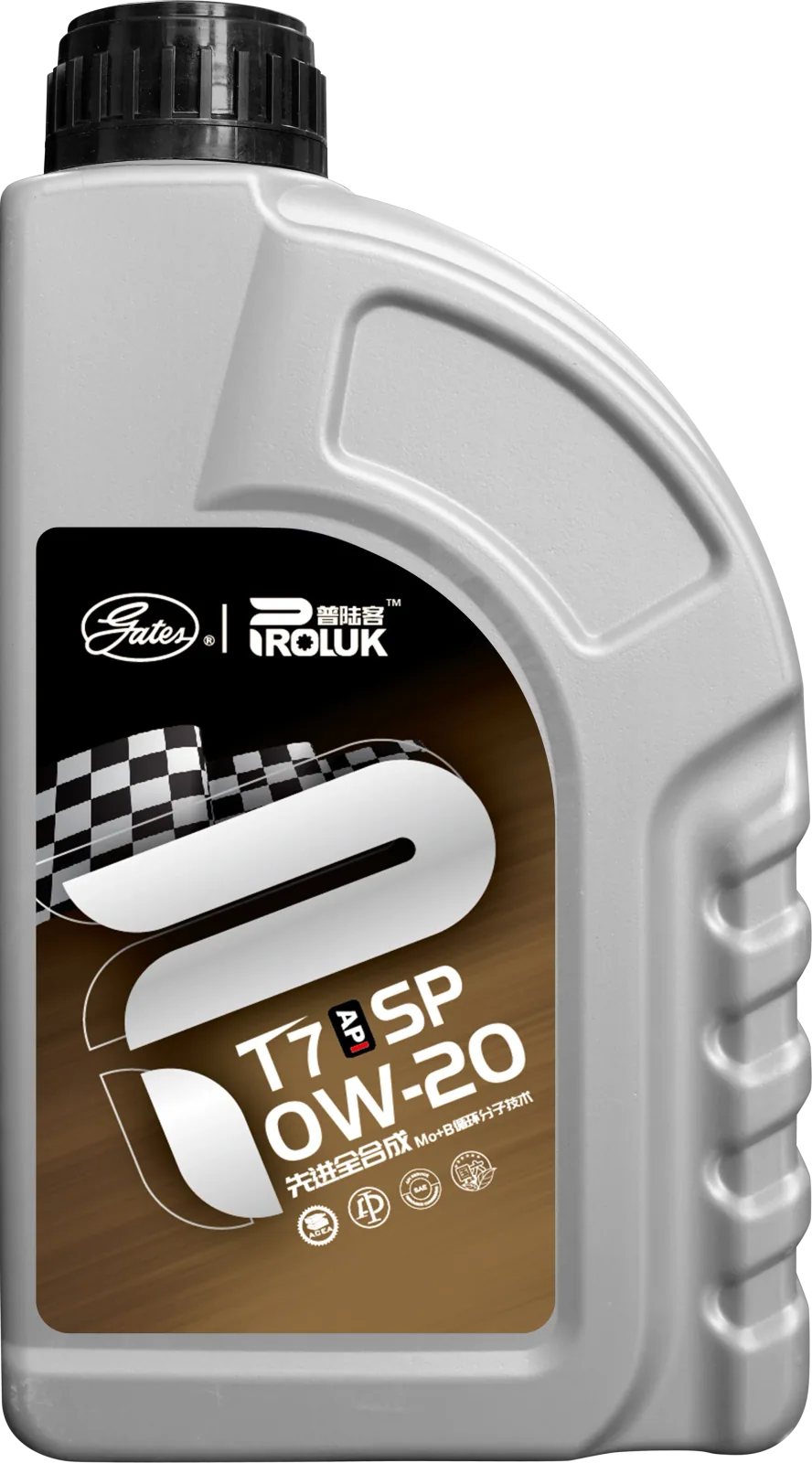
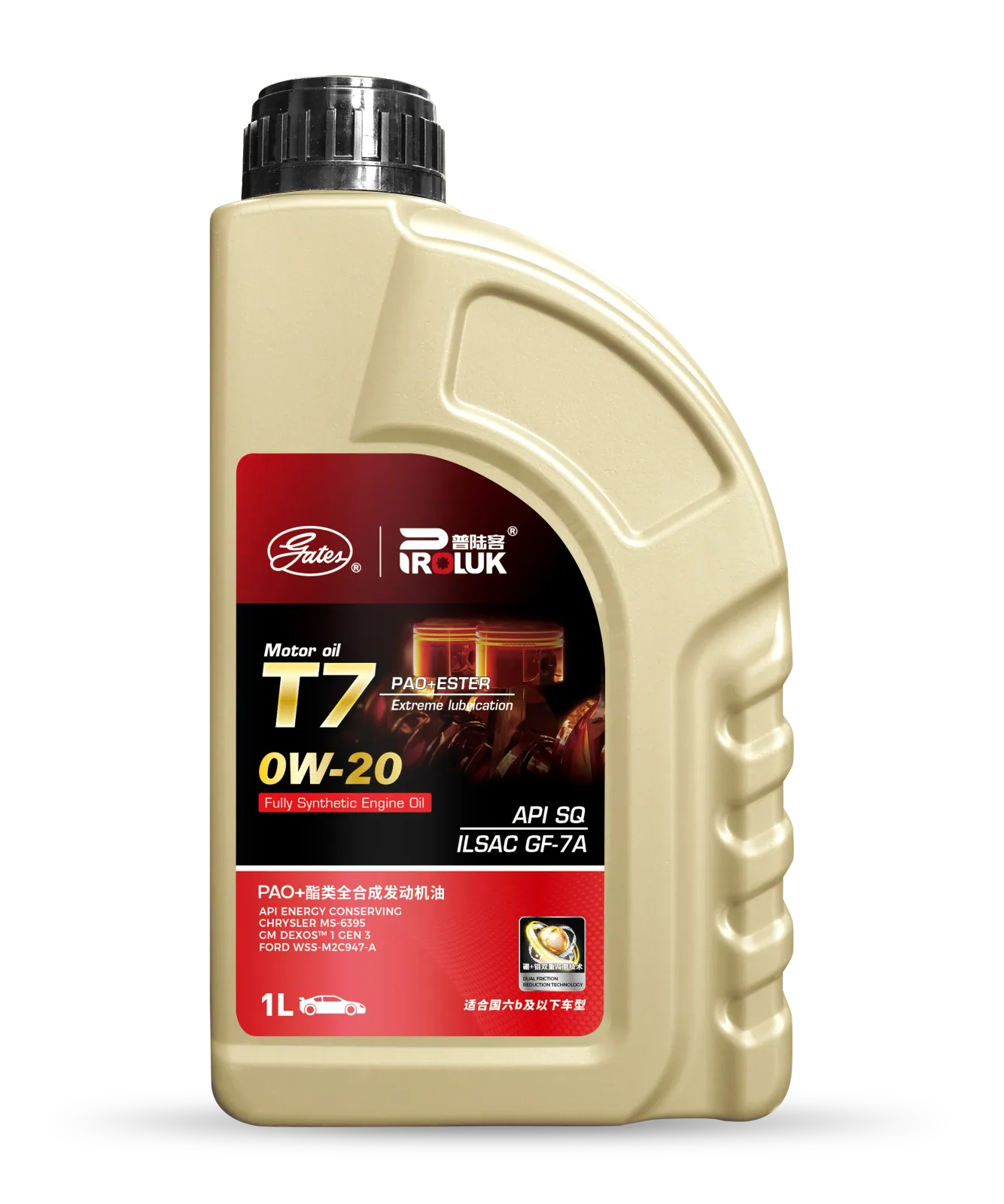
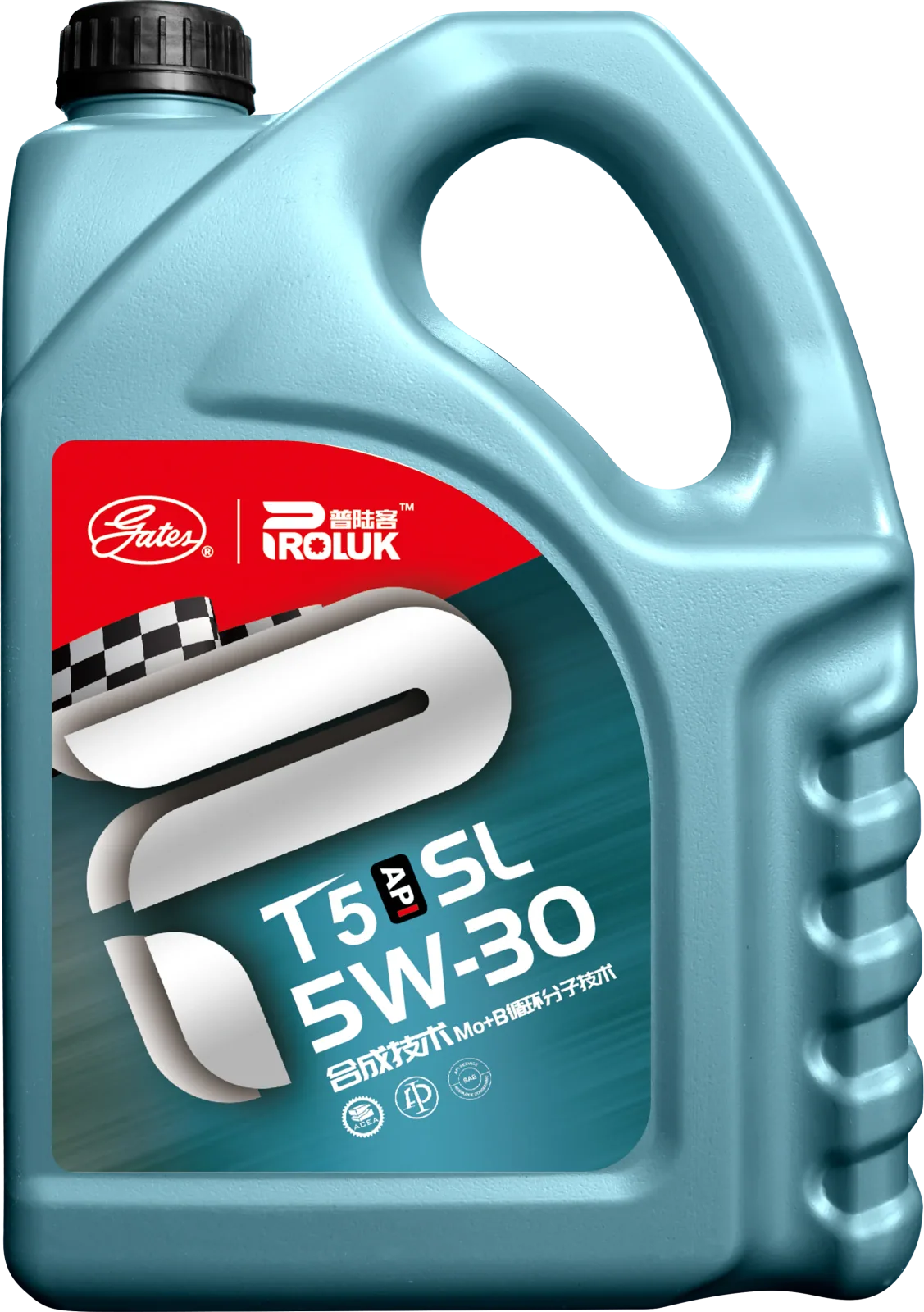
Viscosity is a measure of an oil's resistance to flow. The SAE grading system (e.g., 5W-30) indicates performance at different temperatures. The 'W' stands for winter; the number before it shows low-temperature flow (lower = better cold flow). The number after indicates high-temperature viscosity (higher = thicker film at operating temperature).
Manufacturers specify grades to match engine clearances and operating conditions. For example, 0W-20 is common in modern fuel-efficient engines to reduce friction and improve fuel economy, while 10W-40 might be specified for older, high-mileage engines. Using the wrong viscosity can lead to inadequate lubrication or increased wear. Always follow the owner's manual.
Synthetic vs. Conventional Oil: Which Should You Choose?
Synthetic oil offers superior high-temperature stability, low-temperature flow, and longer drain intervals. It resists breakdown under extreme conditions, making it ideal for turbocharged engines, severe driving, and extreme climates. The main drawback is cost—synthetic typically costs two to three times more per quart, but longer intervals may offset the price.
Conventional oil suits many older or low-performance engines, especially with simple designs and moderate driving. It provides adequate protection at a lower upfront cost. Synthetic blends offer a middle ground. Consider your vehicle's requirements, driving habits, and budget. If your engine is turbocharged or you drive in extreme conditions, synthetic is worth the extra expense.
Decision Framework: Synthetic or Conventional?
- Choose synthetic if: your vehicle is turbocharged, you drive in extreme temperatures (hot or cold), you frequently tow or haul heavy loads, or you want to extend drain intervals.
- Choose conventional if: your vehicle is older with a simple engine design, you drive under normal conditions, and you prefer a lower upfront cost.
- Choose a synthetic blend if: you want some synthetic benefits at a moderate cost, or your manufacturer recommends it.
How Often Should You Change Your Oil? Mileage vs. Condition
The old 3,000-mile rule is obsolete for most modern vehicles. Today, the correct interval depends on engine, oil type, and driving conditions. Most manufacturers recommend 5,000–7,500 miles for conventional and 7,500–10,000+ for synthetic. The most accurate method is to follow your vehicle's oil life monitor, which calculates remaining life based on actual driving.
Severe conditions—frequent short trips, extreme temperatures, towing, dusty environments—shorten intervals. Highway driving at moderate speeds is normal and allows longer intervals. Consult your owner's manual for the manufacturer's specific recommendation.
Checklist for Determining Oil Change Interval
- Normal conditions: Follow the owner's manual or oil life monitor. Typically 5,000–7,500 miles for conventional, 7,500–10,000+ for synthetic.
- Severe conditions: Shorten intervals by 25-50%. Examples: frequent trips under 10 miles, extreme heat or cold, towing, dusty or off-road driving.
- Highway driving: You can likely extend intervals to the upper end of the range.
- Turbocharged engines: Use synthetic and follow the severe service schedule if you drive aggressively.
- High-mileage vehicles (over 100k miles): Consider high-mileage oils with seal conditioners, and follow the manufacturer's recommended interval.
How to Check Your Oil Level and When to Top Up
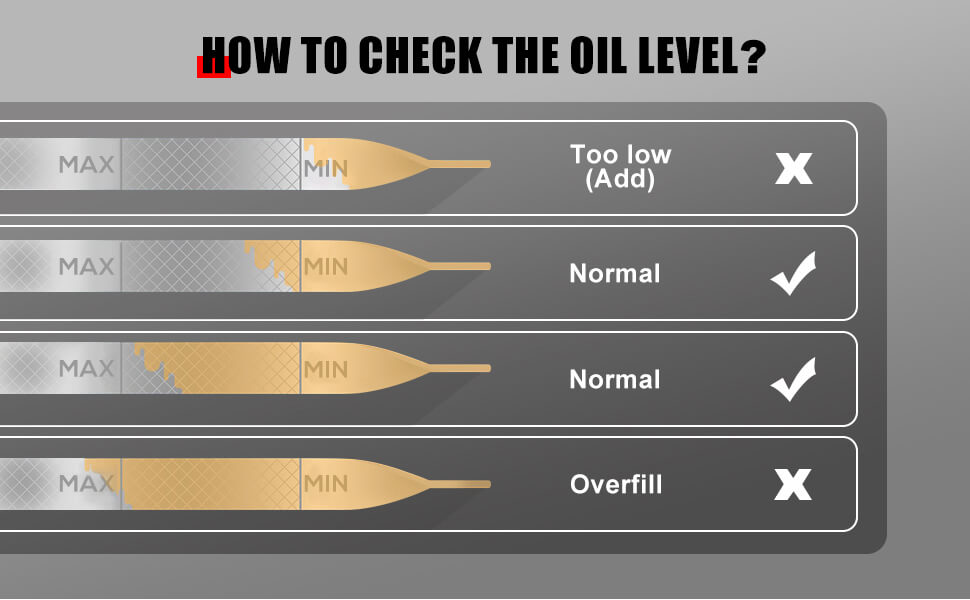
Checking oil level is simple: park on level ground, turn off the engine, wait a few minutes, pull the dipstick, wipe, reinsert, and read. The level should be between 'Full' and 'Add' marks.
If low, add oil of the same type and viscosity already in the engine. Avoid overfilling, as excess oil can cause foaming and seal damage. Check at least monthly and before long trips. Frequent topping up may indicate a leak or excessive consumption—have it inspected.
Oil Change Cost Breakdown: DIY vs. Professional
DIY costs: oil (conventional $15–$30 for 5 quarts; synthetic $30–$60), filter ($5–$15), plus tools if needed. Professional changes range $50–$100 for conventional and $70–$150 for synthetic, including labor and disposal.
Pricing varies by vehicle (some require more oil or special filters), oil type, location, and extra services. DIY saves money but requires time and proper disposal. Professional services offer convenience and often include a multi-point inspection.
Cost Analysis: DIY vs. Professional Over 100,000 Miles
Assuming 7,500-mile intervals, you'll need about 13 oil changes over 100,000 miles. DIY with conventional oil costs roughly $260–$585 (oil + filter), while professional changes cost $650–$1,300. With synthetic, DIY costs $455–$975, professional $910–$1,950. Synthetic's longer intervals (10,000 miles) reduce the number of changes to 10, lowering total costs: DIY $300–$600, professional $700–$1,500. Over time, synthetic can be cost-competitive when considering extended intervals and potential engine longevity.
Environmental Impact and Proper Oil Disposal
Improper disposal is a serious hazard: one quart can contaminate 250,000 gallons of water. Never dump oil down drains or on the ground. Used oil is recyclable; many auto parts stores, service stations, and collection centers accept it. Some municipalities hold hazardous waste events.
Collect used oil in a clean, sealable container and take it to a designated point. Never mix with other fluids. Professional services often recycle, ensuring proper disposal.
Common Oil Change Myths Debunked
Myth: Change oil every 3,000 miles. Modern engines and synthetic oils can go longer. Follow your owner's manual or oil life monitor.
Myth: Dark oil means it's dirty. Dark color is normal as oil absorbs contaminants. Judge by viscosity and particles, not color.
Myth: Synthetic oil causes leaks in older engines. Synthetic is safe and does not cause leaks. It may clean deposits that were sealing small leaks, but that's not a reason to avoid it.
Myth: You can't switch between conventional and synthetic. It is safe to switch; they are compatible.
Manufacturer Recommendations: Why They Vary and How to Follow Them
Automakers specify different oils because engines have unique designs and performance requirements. Some require synthetic to meet fuel economy standards; others specify API or ILSAC certifications. Using the recommended oil is crucial for warranty coverage and optimal performance.
Check the owner's manual, oil filler cap, or manufacturer's website. Some, like General Motors, require oils meeting specific standards (e.g., dexos1). Ignoring recommendations can reduce performance and cause wear. Always use oil that meets or exceeds manual specs.
Special Considerations for Different Vehicle Types
- Turbocharged engines: Use synthetic oil to resist high temperatures and prevent turbo coking. Follow severe service intervals if you drive aggressively.
- High-mileage vehicles: Consider high-mileage oils with seal conditioners to reduce leaks and oil consumption. Follow the manufacturer's recommended viscosity.
- Electric vehicles: EVs do not require engine oil, but they may have gearbox oil for the reduction drive. Check the owner's manual for specific requirements.
FAQs About Oil Changes
How often should I check my oil level? At least once a month and before long trips.
Can I use a higher viscosity oil in an older engine? Only if the manufacturer allows it. Different viscosity can affect lubrication and fuel economy.
What does API SN or SP mean? These are API service categories indicating performance level. Newer categories (like SP) are designed for newer engines.
Is it okay to mix synthetic and conventional oil? Yes, they are compatible, but mixing reduces the benefits of synthetic.
Conclusion: Take Control of Your Car's Health
Choosing the right oil and maintaining proper intervals is vital for longevity. Understand viscosity, synthetic vs. conventional, and how to check oil to make informed decisions that save money and prevent repairs. Always follow manufacturer recommendations and dispose of used oil responsibly. For high-quality oils that meet or exceed specifications, explore our automotive lubricants range.