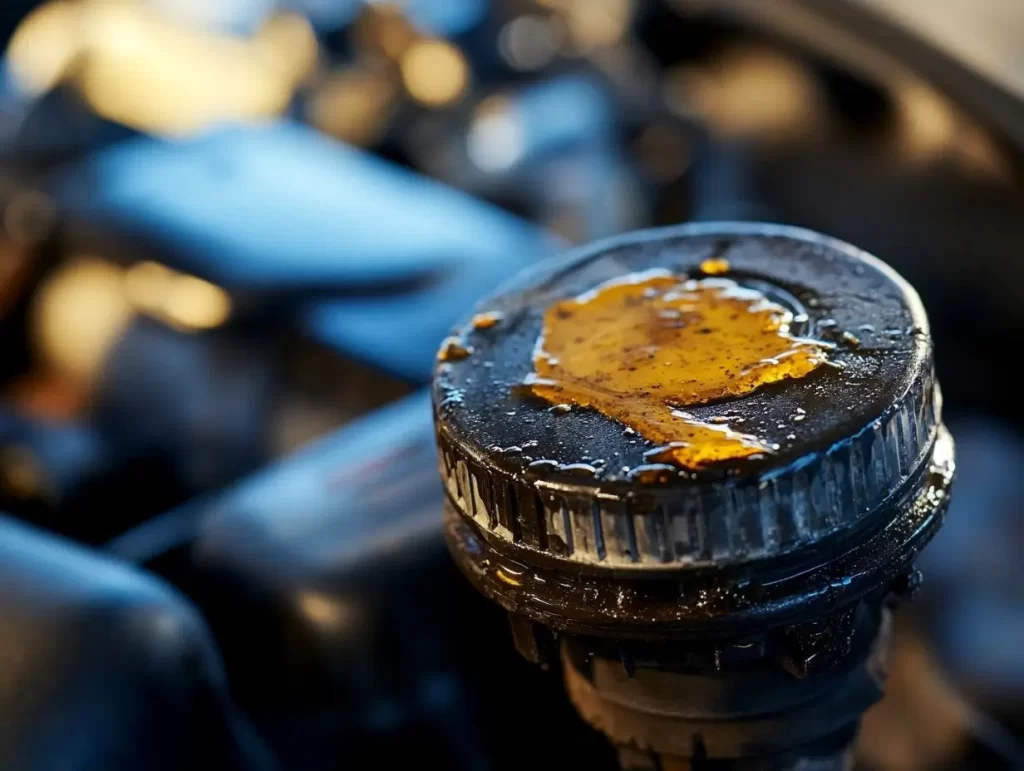
Engine Oil Deposits: A Lubrication-Chemistry Decision, Not a Cleaning Project
Sludge and varnish are the visible end-state of oil degradation pathways that begin long before any symptom appears. By the time you see sludge under the oil cap or varnish on a dipstick, the oil has already failed to keep degradation products suspended. The decision that matters is not which flush to use, but which oil formulation to run and how to monitor it.
Oil formulation determines deposit control. The balance of detergents and dispersants, the quality of the base oil, and the oxidation stability of the additive package decide whether degradation products stay suspended and drain out, or deposit on hot surfaces and in the sump. A high-detergent, low-dispersant oil may keep pistons clean but allow sludge to form in the sump. The reverse may control sludge but leave varnish on rings. Change interval matters, but it is secondary to formulation. [MODEL_ANALYSIS]
Aggressive flushing after sludge forms carries real risk. Solvent-based flushes can dislodge large sludge chunks that block oil pickups and galleries, starving bearings and causing catastrophic wear. [SEARCH_EVIDENCE] Flushing is not a substitute for mechanical cleaning, and it is not a preventive measure.
The decision framework is straightforward: select oil based on duty cycle and engine design, monitor with oil analysis, and intervene only when deposits are confirmed and heavy. [MODEL_ANALYSIS] The sections below explain the chemistry behind that framework so you can apply it to your own fleet or vehicle.
How Oil Degrades into Varnish and Sludge: Oxidation, Nitration, and Sulfation
Oil degrades through three primary chemical pathways: oxidation, nitration, and sulfation. Each produces different degradation products, but all three converge on the same end-state — varnish films and sludge agglomerates.
Oxidation
Oxygen attacks base oil and additives at high temperatures, forming acids, peroxides, and insoluble polymers. These polymers are the precursors to varnish and sludge. Oxidation accelerates with temperature: every 10°C rise above 100°C roughly doubles the oxidation rate. [MODEL_ANALYSIS] This is why turbocharged engines and engines with high oil temperatures are more prone to deposit formation.
Nitration
Nitrogen oxides from combustion blow-by react with oil to form nitro-compounds that accelerate deposit formation, especially in EGR-equipped engines where exhaust gas recirculation introduces additional nitrogen oxides into the intake and crankcase. [MODEL_ANALYSIS] Nitration is often overlooked because it does not show up in standard oxidation tests, but it is a significant contributor to sludge in modern engines.
Sulfation
Sulfur compounds from fuel and oil additives form sulfates that contribute to acidic, corrosive deposits. High-sulfur fuels accelerate this pathway, though modern low-sulfur diesel and gasoline have reduced its impact. [MODEL_ANALYSIS]
The Progression from Oil to Deposit
The sequence is predictable: soluble degradation products form first, then suspended particles, then varnish films on hot surfaces, and finally sludge agglomerates in cooler areas like the sump and valve cover. [MODEL_ANALYSIS] Oil analysis can catch the soluble and suspended stages before varnish or sludge becomes visible.
Formulation Determines Deposit Control: Detergents, Dispersants, and Base Oil Quality
Oil formulation — not just change interval — is the primary lever for preventing deposits. Three components do the work: detergents, dispersants, and base oil quality.
Detergents
Metallic soaps that neutralize acids and keep high-temperature surfaces clean. They prevent varnish and lacquer from forming on pistons and rings. However, too much detergent increases ash content, which can contribute to low-speed pre-ignition (LSPI) in turbocharged gasoline direct-injection (TGDI) engines. [MODEL_ANALYSIS] This is why modern TGDI engines often specify lower-ash oils.
Dispersants
Ashless polymers that keep soot, sludge precursors, and insoluble particles suspended in the oil so they drain out during an oil change. Dispersants do not clean surfaces; they prevent particles from agglomerating into sludge. An oil with strong dispersancy will hold contaminants in suspension even as it darkens.
Base Oil Quality
Affects oxidation stability, volatility, and additive solubility. Group II base oils are more stable than Group I, Group III are more stable still, and Group IV (PAO) offer the highest oxidation resistance. Higher-quality base oils resist degradation longer, which means the additive package has less work to do. [MODEL_ANALYSIS]
The Balance Matters
The balance between detergents and dispersants matters as much as the individual components. A high-detergent, low-dispersant oil may keep pistons clean but allow sludge to form in the sump. A high-dispersant, low-detergent oil may control sludge but leave varnish on rings. [MODEL_ANALYSIS] The right balance depends on engine design and duty cycle.
Why Some Engines Sludge More: PCV Systems, Duty Cycle, and Design Factors
Some engines sludge more than others because of design and operating conditions, not because of oil quality alone. Understanding your engine's risk profile helps you adjust oil selection and drain intervals accordingly.
PCV System
A clogged or undersized PCV valve traps blow-by gases, moisture, and fuel dilution in the crankcase. This accelerates sludge formation by keeping water and fuel in contact with the oil. [MODEL_ANALYSIS] Some engines have known PCV routing issues that make them more prone to sludge.
Duty Cycle
Short trips, cold starts, and stop-and-go driving prevent the oil from reaching temperatures that boil off water and fuel. Water and fuel accumulate in the oil, forming emulsion sludge. [SEARCH_EVIDENCE] A vehicle that never reaches operating temperature for more than 10–15 minutes per trip is a sludge factory, regardless of oil quality.
Engine Design
Some V6 engines have tight PCV routing that restricts flow. Turbocharged engines run higher oil temperatures, accelerating oxidation. Direct-injection engines can dilute oil with fuel, lowering viscosity and accelerating oxidation. [MODEL_ANALYSIS] These design factors are not defects; they are trade-offs for performance and efficiency.
Fuel Dilution
Fuel in the oil lowers viscosity, reduces the oil's ability to maintain a protective film, and accelerates oxidation. [MODEL_ANALYSIS] If you drive a direct-injection engine, oil analysis for fuel dilution is not optional — it is essential.
Removal Methods Compared: Flushing, Manual Cleaning, and Diesel Oil/Seafoam — Risks and Limits
When deposits are already present, removal options range from chemical flushes to manual cleaning. Each has risks and limits, and none is a substitute for prevention.
Engine Flush
Solvent-based flushes can dislodge large sludge chunks that block oil pickups and galleries, causing catastrophic wear. [SEARCH_EVIDENCE] They are not a substitute for mechanical cleaning. Flushing is best reserved for light varnish, not heavy sludge. If you use a flush, follow the manufacturer's instructions exactly and change the oil and filter immediately after.
Manual Cleaning
Disassembly and manual removal is the only way to fully eliminate heavy sludge. It is labor-intensive and costly, but it is the only method that guarantees removal. [MODEL_ANALYSIS] For a heavily sludged engine, manual cleaning may be the only way to restore reliability.
Diesel Oil/Seafoam
High-detergent diesel oils or additives like Seafoam may slowly dissolve light varnish, but they are not proven to remove heavy sludge. [SEARCH_EVIDENCE] They can also overload the oil's dispersant capacity, causing suspended particles to agglomerate and deposit elsewhere. If you use a high-detergent oil to clean a sludged engine, shorten the drain interval and monitor with oil analysis.
Decision Rule
Reserve removal methods for confirmed heavy deposits. For light varnish, adjust oil formulation and shorten drain intervals instead. [MODEL_ANALYSIS] If you are unsure whether deposits are heavy, inspect with a borescope or remove the valve cover before deciding.
Using Oil Analysis to Detect Deposit Precursors Before Sludge Forms
Oil analysis is the only way to detect deposit precursors before visible sludge forms. It measures the chemical changes that precede varnish and sludge, giving you weeks or months of warning.
Key Indicators
Oxidation (measured by FTIR), nitration (also FTIR), TBN depletion, viscosity increase, and insolubles (pentane/toluene). [MODEL_ANALYSIS] Oxidation and nitration show the oil is degrading. TBN depletion shows the oil's acid-neutralizing capacity is exhausted. Viscosity increase shows the oil is thickening, which can lead to poor cold-start flow and increased deposit risk. Insolubles show the oil is holding contaminants.
Trend Analysis
Trend analysis is more useful than a single sample. Track oxidation and TBN over time to see if the oil is degrading faster than expected. [MODEL_ANALYSIS] A single sample tells you the oil's condition at that moment; a trend tells you how fast it is degrading and whether your drain interval is appropriate.
Actionable Thresholds
When oxidation or nitration exceeds typical limits, or TBN drops below 2, deposit risk is rising. [MODEL_ANALYSIS] At that point, shorten the drain interval or switch to a more robust oil formulation. Do not wait for visible sludge.
Oil analysis is not a substitute for visual inspection, but it can detect precursors weeks or months before sludge is visible. [MODEL_ANALYSIS] Use it as an early-warning system, not a post-mortem tool.
Prevention-First Guidance: Oil Selection, Drain Intervals, and Operating Adjustments
Prevention is cheaper than removal. The three levers are oil selection, drain intervals, and operating adjustments.
Oil Selection
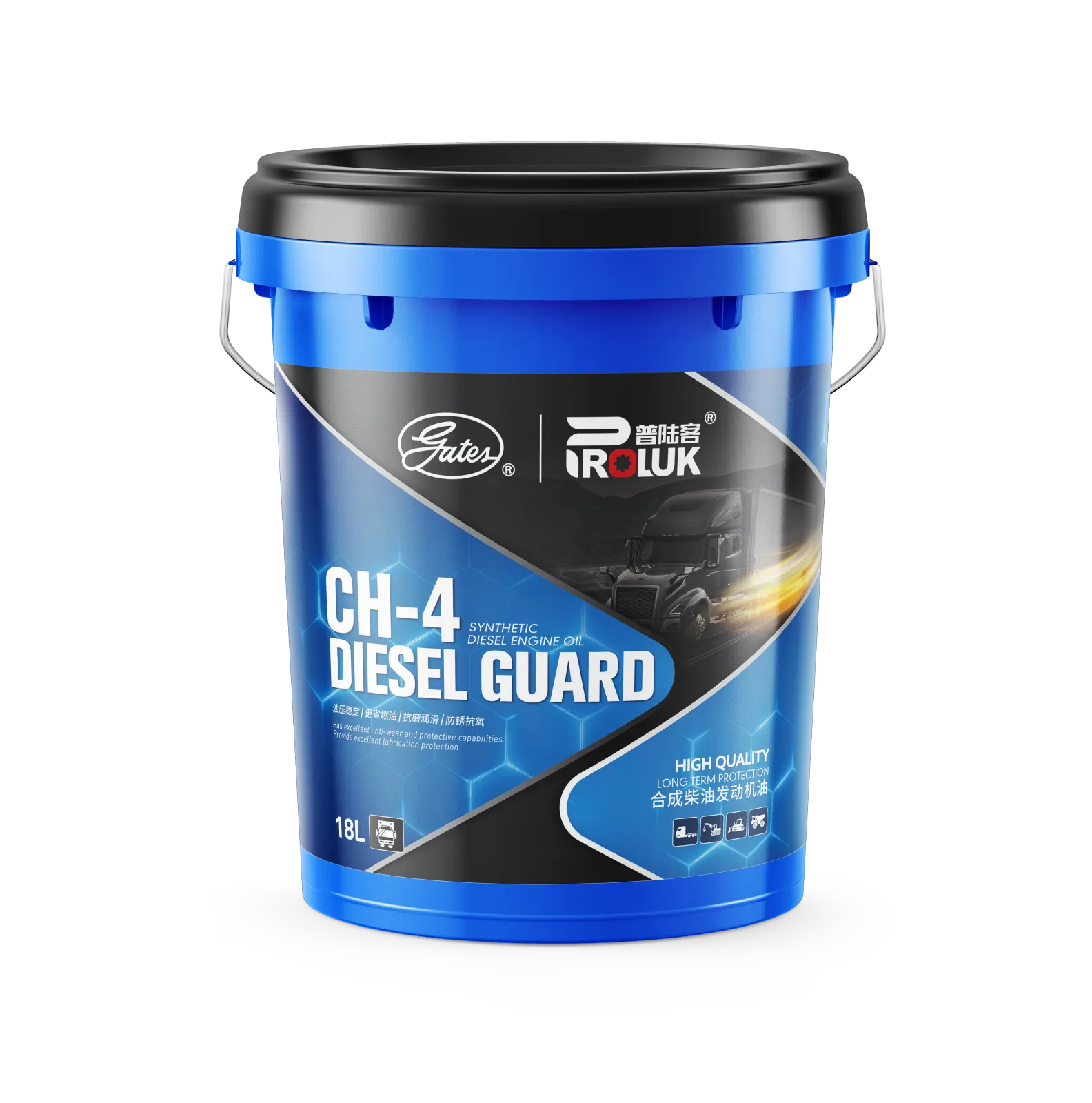
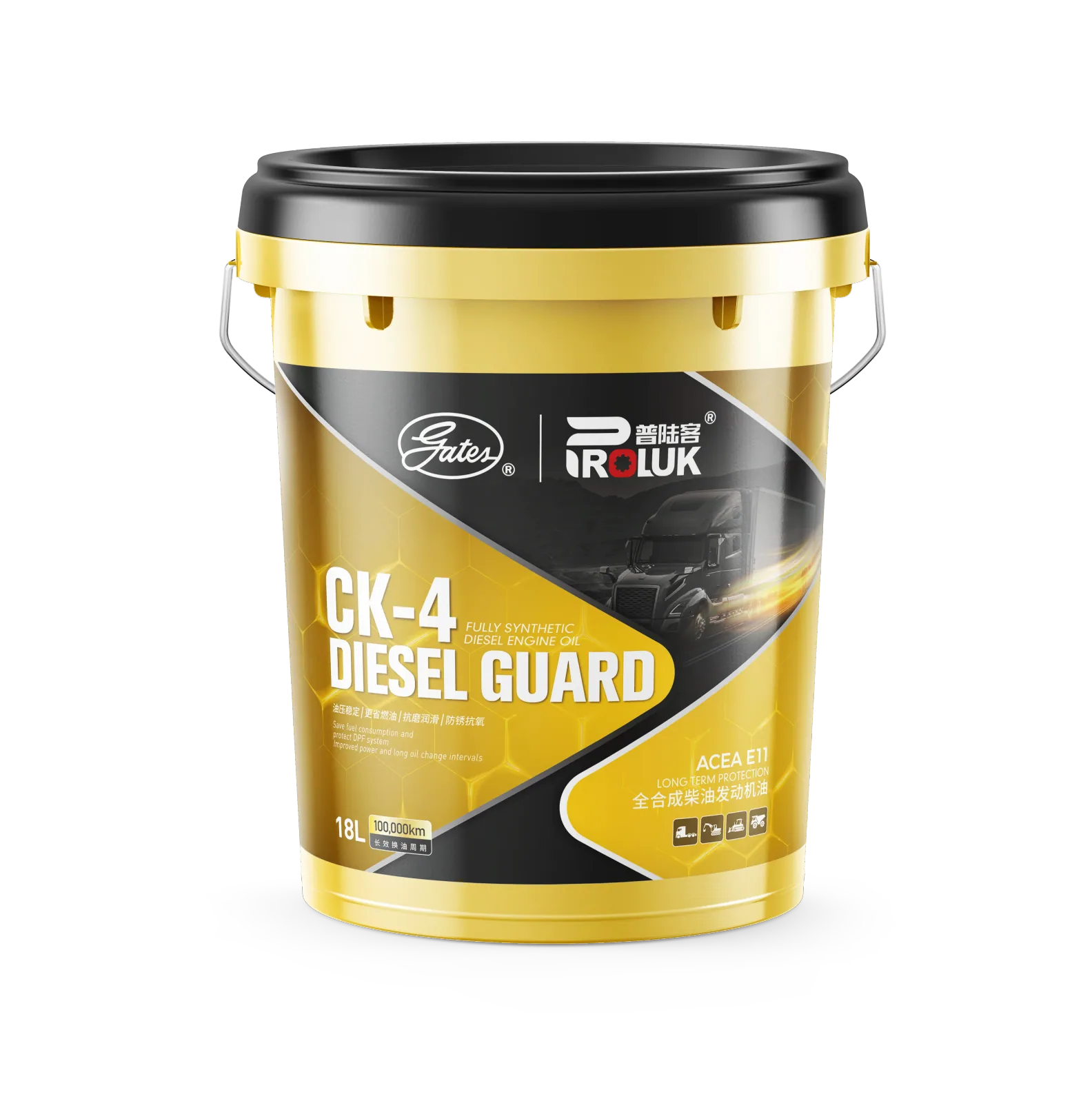
Choose an oil with a robust detergent/dispersant package and high-quality base oil (Group III+ or IV) for sludge-prone engines or severe duty. [MODEL_ANALYSIS] For diesel engines, API CK-4 oils offer improved oxidation stability and deposit control compared to older categories. For gasoline engines, API SP and ILSAC GF-6 oils include deposit control requirements. If your engine is sludge-prone, look for oils with strong dispersancy, not just high detergency.
Drain Intervals
Base intervals on duty cycle and oil analysis, not a universal mileage. [SEARCH_EVIDENCE] Short-trip drivers may need shorter intervals than highway drivers. A vehicle that accumulates 5,000 miles in 6 months of short trips may need an oil change sooner than one that accumulates 10,000 highway miles in the same period. Use oil analysis to set intervals for your specific operation.
Operating Adjustments
Minimize short trips, ensure the PCV system is functioning, and consider a block heater or longer warm-up in cold climates. [MODEL_ANALYSIS] If you cannot avoid short trips, shorten drain intervals and use an oil with strong dispersancy. Check the PCV valve at every oil change — it is a cheap part that prevents expensive problems.
When to Change Oil
If oil analysis shows rapid TBN depletion or viscosity increase, shorten the interval. If oil stays within limits, extend cautiously. [MODEL_ANALYSIS] The goal is to change the oil before it degrades to the point of deposit formation, not after.
Putting It Into Practice: A Decision Flow for Deposit Control
Apply the following decision flow to your own engine or fleet.
Step 1: Assess engine design and duty cycle to determine sludge risk level. [MODEL_ANALYSIS] High-risk factors include direct injection, turbocharging, short-trip duty, and known PCV issues. Low-risk factors include port injection, highway duty, and regular maintenance.
Step 2: Select oil formulation matched to risk. [MODEL_ANALYSIS] For high-risk engines, choose an oil with strong dispersancy and a high-quality base oil. For low-risk engines, a standard API SP or CK-4 oil is sufficient.
Step 3: Establish drain interval based on oil analysis, not mileage alone. [MODEL_ANALYSIS] Start with the manufacturer's recommendation, then adjust based on oil analysis results. If TBN drops below 2 or oxidation rises rapidly, shorten the interval.
Step 4: Monitor with oil analysis. If precursors rise, adjust before sludge forms. [MODEL_ANALYSIS] Sample at every oil change and track trends. If you see oxidation or nitration increasing, act.
Step 5: If heavy sludge is confirmed, consider manual cleaning over flushing. [SEARCH_EVIDENCE] Avoid aggressive chemical flushes unless professionally supervised. If you must flush, use a product designed for your engine and follow instructions exactly.
Deposit control is a lubrication-chemistry decision. Choose the right oil, monitor it, and intervene early. That is how you keep an engine clean.
FAQ
What is the difference between sludge and varnish?
Varnish is a thin, hard film that forms on hot surfaces like pistons and rings. Sludge is a softer, thicker agglomerate that forms in cooler areas like the sump and valve cover. Both are end-states of oil degradation, but they form in different temperature zones and require different control strategies. [MODEL_ANALYSIS]
Can I remove sludge by using a high-detergent oil?
High-detergent diesel oils may slowly dissolve light varnish, but they are not proven to remove heavy sludge. [SEARCH_EVIDENCE] They can also overload the oil's dispersant capacity, causing suspended particles to agglomerate and deposit elsewhere. If you use a high-detergent oil to clean a sludged engine, shorten the drain interval and monitor with oil analysis.
How often should I check my PCV valve?
Check the PCV valve at every oil change. It is a cheap part that prevents expensive problems. A clogged or undersized PCV valve traps blow-by gases, moisture, and fuel dilution in the crankcase, accelerating sludge formation. [MODEL_ANALYSIS]
Is oil analysis worth it for a single vehicle?
Oil analysis is the only way to detect deposit precursors before visible sludge forms. It measures the chemical changes that precede varnish and sludge, giving you weeks or months of warning. [MODEL_ANALYSIS] For a sludge-prone engine or a vehicle with short-trip duty, it is a cost-effective early-warning system.
What oil should I use in a sludge-prone engine?
Choose an oil with a robust detergent/dispersant package and high-quality base oil (Group III+ or IV) for sludge-prone engines or severe duty. [MODEL_ANALYSIS] For diesel engines, API CK-4 oils offer improved oxidation stability and deposit control compared to older categories. For gasoline engines, API SP and ILSAC GF-6 oils include deposit control requirements. Look for oils with strong dispersancy, not just high detergency.