Choosing the Right Diesel Engine Oil: A Practical Guide to API CK-4/CJ-4 Specs, Viscosity, and Oil Analysis
Selecting the right diesel engine oil is a critical decision that impacts engine longevity, fuel economy, and maintenance costs. Modern diesel engines with EGR and DPF systems require oils that meet specific API standards. This guide cuts through the noise to help you choose the right oil based on your engine's requirements and operating conditions, and shows how oil analysis can optimize your change intervals.
API CK-4 vs. CJ-4: Which Specification Does Your Engine Need?
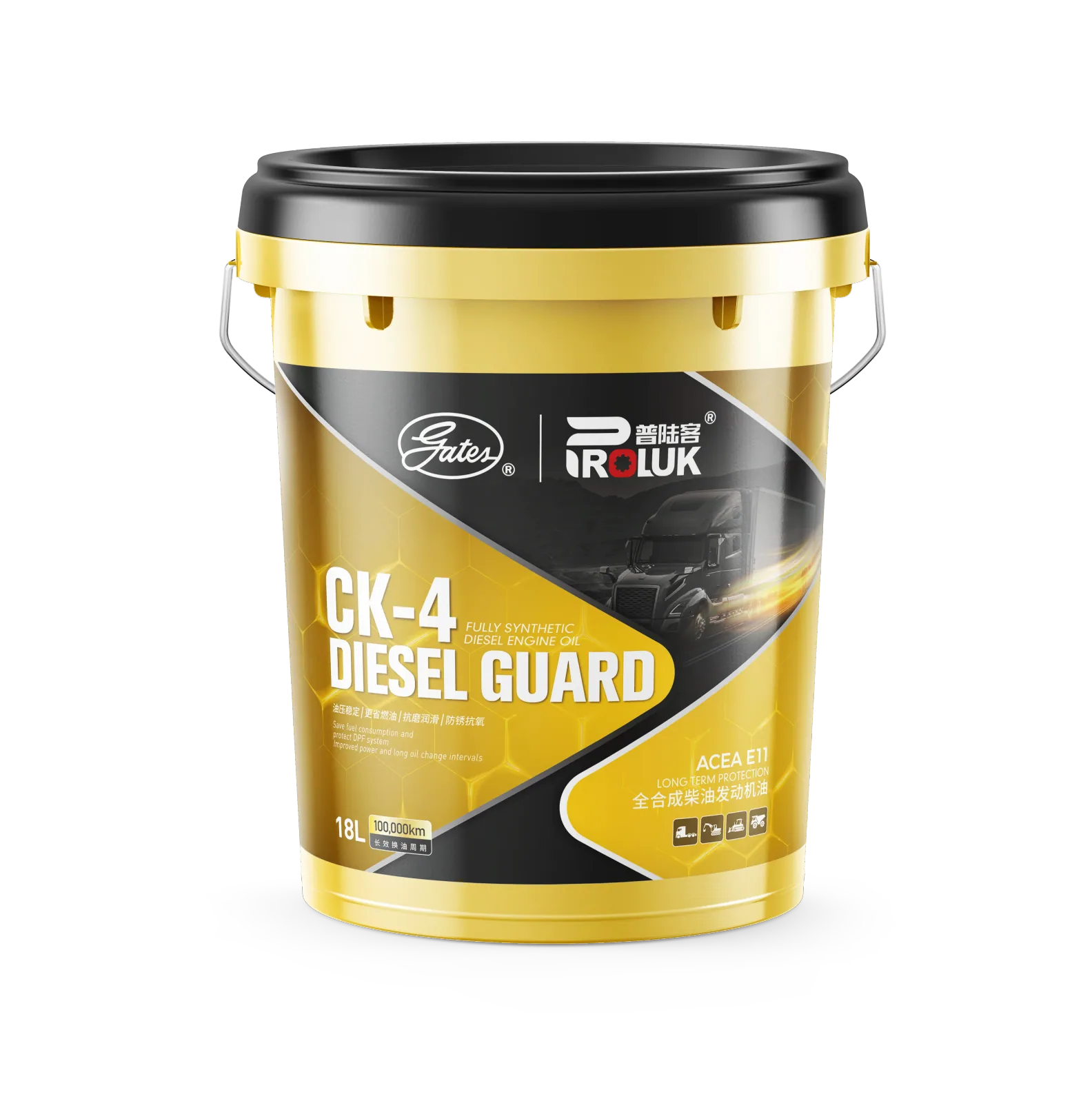
API CK-4 is the latest standard for diesel engine oils, designed for high-performance engines with EGR and DPF systems. It is backward compatible with CJ-4, meaning it can be used in engines that specify CJ-4. CJ-4 was introduced for 2007+ engines and is still suitable for many older models, but CK-4 offers improved protection against oxidation, shear, and aeration, as well as better compatibility with biodiesel. When selecting oil, look for the API 'donut' and 'starburst' symbols on the container to verify compliance. For example, our CK-4 10W-40 18L meets CK-4 specifications.
Viscosity: 15W-40 vs. 5W-40 – What's the Difference?
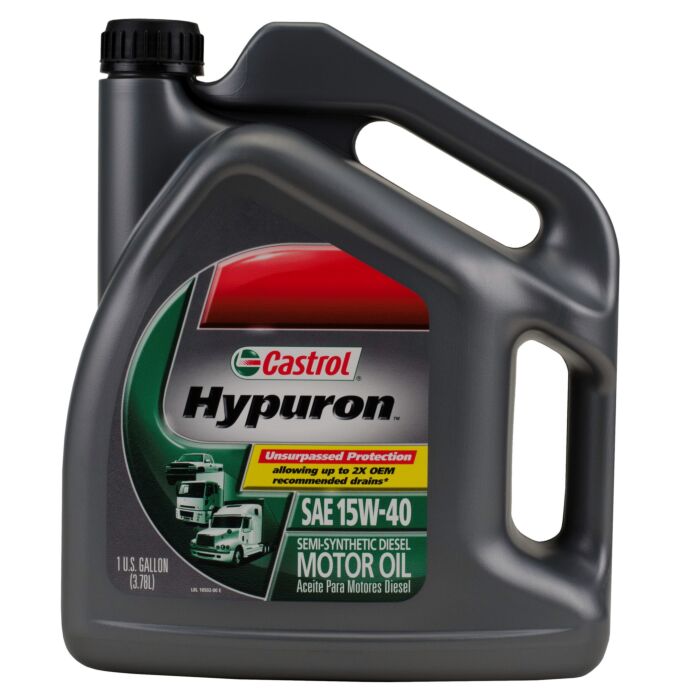
Viscosity grades like 15W-40 and 5W-40 indicate the oil's flow characteristics at low and high temperatures. The 'W' stands for winter, and the number before it represents cold-temperature viscosity; the lower the number, the better the oil flows in cold weather. The number after the dash is the high-temperature viscosity, which relates to the oil's thickness at operating temperature. 15W-40 is the traditional choice for many diesel engines, offering a good balance of protection and durability in moderate climates. 5W-40, on the other hand, provides better cold-start protection and can improve fuel economy by reducing friction during warm-up. Your engine manufacturer's recommendations and the ambient temperature range you operate in should guide your choice. For instance, if you operate in cold climates, a 5W-40 or even 5W-30 might be more appropriate.
Synthetic vs. Conventional: Which Oil Type Is Right for Your Diesel?
Synthetic oils offer superior high-temperature stability, cold-flow properties, and resistance to breakdown, which can extend engine life and oil change intervals. Conventional oils are cheaper upfront but may require more frequent changes and offer less protection under extreme conditions. For modern diesel engines with high output and emissions systems, many manufacturers recommend synthetic or synthetic blends. While synthetic oil costs more per quart, it can provide better overall value through extended drain intervals and enhanced engine protection.
How Often Should You Change Diesel Oil? The Limitations of Mileage-Based Intervals
Mileage-based intervals are a one-size-fits-all approach that may not suit your specific engine and operating conditions. Factors such as idle time, load, towing, and climate can significantly affect oil degradation. Modern engines and oils are capable of longer intervals, but only if you monitor oil condition. For example, an engine that spends hours idling in traffic will degrade oil faster than one that cruises on the highway. Similarly, heavy towing or operating in dusty environments can shorten oil life. Relying solely on mileage can lead to either premature oil changes (wasting money) or extended intervals that risk engine damage.
Oil Analysis: The Key to Optimizing Change Intervals and Saving Money
Oil analysis measures wear metals, contaminants, and oil condition to provide a snapshot of engine health and oil life. By analyzing oil at regular intervals, you can determine the optimal change interval for your specific engine and usage. Oil analysis can also detect early signs of engine problems, such as coolant leaks or excessive wear, allowing for proactive maintenance. Many commercial labs offer kits that make sampling easy. For fleet managers, oil analysis is an invaluable tool to reduce maintenance costs and prevent unexpected breakdowns.
Cost Comparison: Synthetic vs. Conventional Over Time
Synthetic oil costs more per quart but can extend oil change intervals, reducing the number of oil changes per year. Conventional oil is cheaper upfront but may require more frequent changes, potentially negating the initial savings. To illustrate, consider a truck that travels 100,000 miles per year. With conventional oil and a 10,000-mile interval, you'd need 10 oil changes annually. With synthetic oil and a 20,000-mile interval, you'd need only 5 changes. Even if synthetic costs twice as much per quart, the total annual cost could be similar, and you gain the benefit of reduced downtime and better engine protection. Additionally, synthetic oil's ability to improve fuel economy by 1-2% can lead to significant savings over time.
Common Myths About Diesel Oil Change Intervals
Myth: You must change oil every 3,000 miles. Fact: Modern oils and engines can go much longer, but it depends on usage. Many OEMs recommend intervals of 10,000 miles or more for diesel engines. However, severe service conditions may require shorter intervals.
Myth: Synthetic oil causes leaks in older engines. Fact: Synthetic oil does not cause leaks; it may clean out deposits that were sealing leaks. If an engine has sludge or varnish, switching to synthetic can reveal existing leaks, but the oil itself is not the culprit.
Myth: You can't switch between synthetic and conventional oil. Fact: They are compatible, and switching is safe. You can even mix them if necessary, though it's best to stick with one type for consistent performance.
Conclusion: Making the Right Choice for Your Diesel Engine
Selecting the right diesel engine oil involves understanding API specifications, viscosity grades, and your engine's specific requirements. By using oil analysis to monitor oil condition, you can optimize change intervals and save money while ensuring maximum engine protection. Whether you choose synthetic or conventional, always follow the manufacturer's recommendations and consider your operating conditions. For a range of quality diesel engine oils, explore our Diesel Engine Oils collection, including CH-4 15W-40 18L and CI-4 15W-40 18L.