How to Choose the Right Engine Oil for Your Fleet: A Manufacturer's Guide
Selecting the right engine oil for your fleet is a technical decision that directly impacts engine life, maintenance costs, and warranty compliance. The wrong oil can accelerate wear, increase downtime, and void warranties, while the right oil optimizes performance and reduces total operating costs. This guide provides a data-driven approach to oil selection, specification decoding, and change interval optimization.
Decoding Oil Specifications: API, ACEA, ILSAC, and OEM Approvals
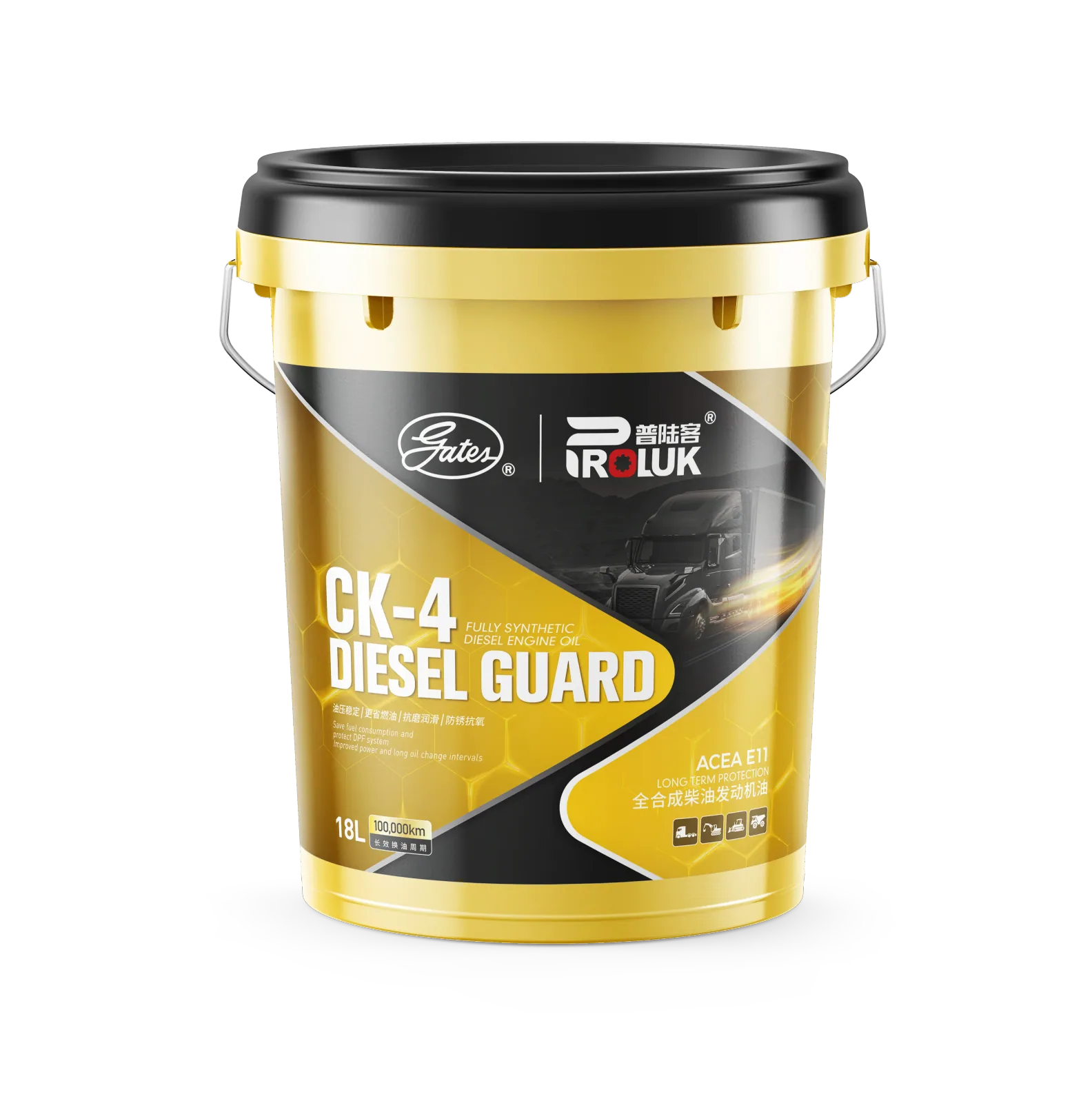
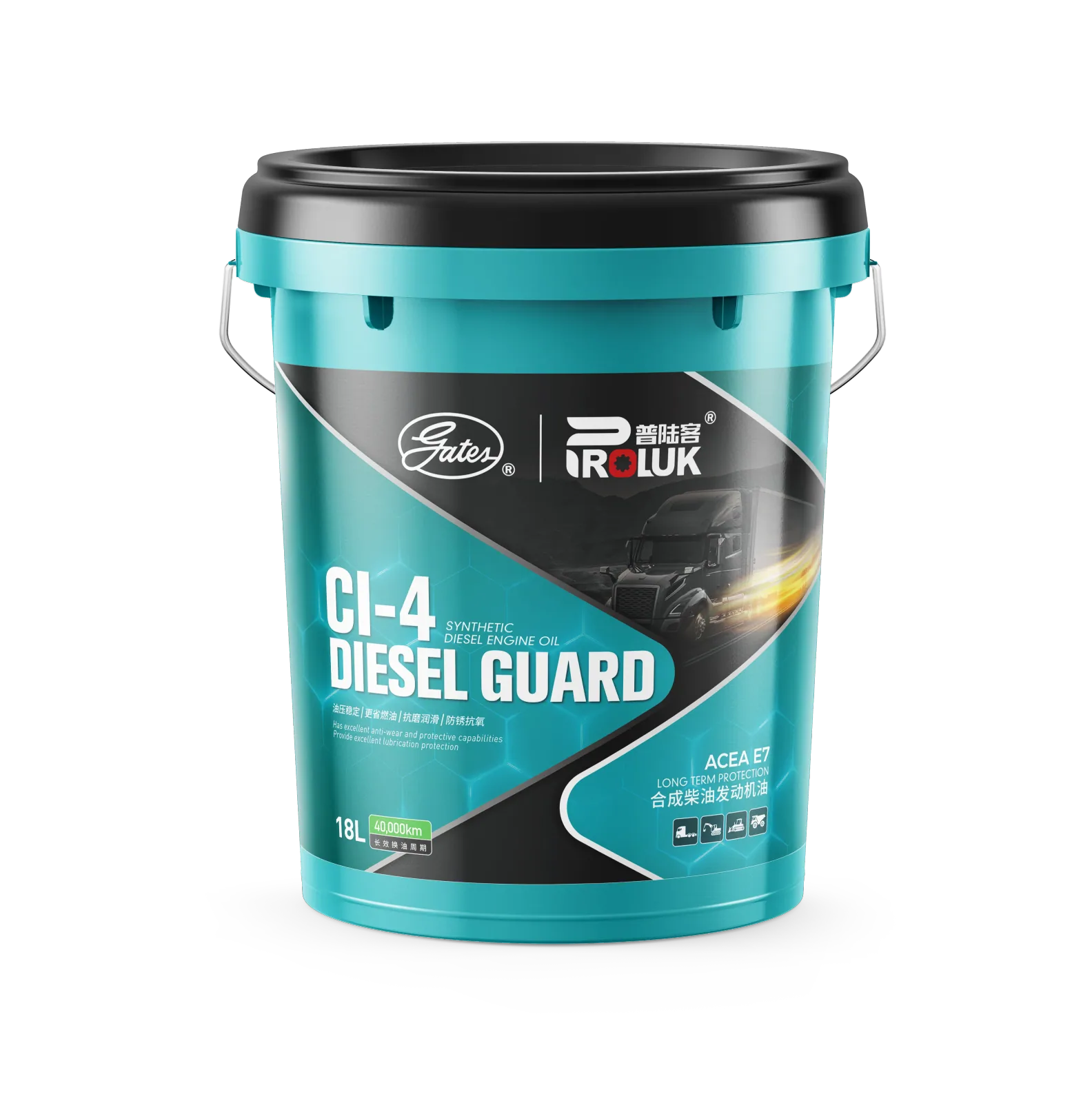
Oil specifications define performance criteria that ensure compatibility with modern engines. The American Petroleum Institute (API) classifies oils for gasoline (S category) and diesel (C category) engines. Current categories include API SP for gasoline and API CK-4 for diesel, each introduced to meet stricter emissions and performance standards. For European vehicles, ACEA (European Automobile Manufacturers' Association) sequences are more relevant: A/B for gasoline and light-duty diesel, C for light-duty diesel with exhaust aftertreatment, and E for heavy-duty diesel. ILSAC (International Lubricant Standardization and Approval Committee) GF-6 focuses on passenger car oils, emphasizing fuel economy and protection.
However, the most critical specifications are OEM approvals, such as Mercedes-Benz 229.5 or Volvo VDS-4.5. These are stricter than generic specs and are essential for warranty compliance. Always check your vehicle's owner's manual or OEM guidelines to determine the required specification, and choose an oil that meets or exceeds it.
Synthetic vs. Conventional: Making the Right Choice for Your Fleet
Synthetic oils offer superior high-temperature stability, low-temperature flow, and resistance to oxidation, leading to longer oil life and better engine protection. Conventional oils are cheaper upfront but may require more frequent changes and offer less protection under severe conditions.
For fleets with mixed duty cycles—some vehicles towing, idling, or operating in extreme temperatures—synthetics can reduce maintenance frequency and downtime, offsetting their higher initial cost. Consider the total cost of ownership: oil cost, labor, filter cost, and potential engine repair savings. In severe service, synthetics often prove more economical over the long run. For light-duty, normal conditions, conventional may suffice, but always follow OEM recommendations.
Determining Optimal Oil Change Intervals: Beyond the 3,000-Mile Myth
The 3,000-mile rule is outdated for most modern engines and oils. OEM recommendations are the baseline; they are based on extensive testing and should be followed to maintain warranty. However, severe service conditions—towing, idling, extreme temperatures, dusty environments—require shorter intervals.
Oil analysis is a powerful tool to extend intervals safely by monitoring oil condition and engine wear metals. By analyzing oil samples, you can determine the optimal drain interval for each vehicle, potentially extending it beyond OEM recommendations while avoiding the risk of engine damage. Implementing an oil analysis program can save money and reduce waste, but it requires consistent sampling and interpretation.
The Role of Oil Additives: What They Do and Why They Matter
Oil additives are crucial for engine protection. Detergents and dispersants keep engine internals clean and suspend contaminants, preventing sludge and varnish. Anti-wear agents, such as zinc dialkyldithiophosphate (ZDDP), form a protective film on metal surfaces, reducing wear during boundary lubrication. Antioxidants slow oil degradation, extending oil life. Friction modifiers improve fuel economy by reducing friction between moving parts. Viscosity index improvers reduce thinning at high temperatures, maintaining oil film strength.
The quality and quantity of these additives differentiate premium oils from basic ones. When selecting oil, look for specifications that ensure adequate additive levels for your engine type and operating conditions.
Cost-Benefit Analysis: Extended Oil Drain Intervals and Oil Analysis Programs
Extended drain intervals can significantly reduce oil and filter costs, labor, and vehicle downtime. For example, extending from 15,000 to 30,000 miles on a heavy-duty diesel can halve oil-related expenses. Oil analysis costs are typically $20–$40 per sample, but they are offset by savings from fewer oil changes and reduced risk of engine failure.
A successful oil analysis program requires consistent sampling at regular intervals and proper interpretation of results. Track trends in wear metals, viscosity, and contamination to make informed decisions. However, extending intervals without analysis is risky; the cost of potential engine damage far outweighs the savings. Implement a program that balances cost savings with risk management.
Practical Steps to Implement a Data-Driven Oil Management Program
To apply this knowledge, start by auditing your fleet: list all vehicles, their OEM specifications, and operating conditions. Select oils that meet or exceed OEM specs; consider synthetics for severe duty. Set baseline intervals based on OEM recommendations, then use oil analysis to adjust. Train maintenance staff on proper oil sampling and interpretation. Track costs and engine performance to measure the impact of your program. By following these steps, you can optimize oil usage, reduce costs, and extend engine life across your fleet.
FAQ
Q: How often should I change oil in my fleet vehicles?
A: Follow OEM recommendations as a baseline, but adjust based on operating conditions and oil analysis. Severe service may require shorter intervals, while analysis can support longer ones.
Q: What is the difference between synthetic and conventional oil?
A: Synthetic oil offers better performance in extreme temperatures and longer life, but costs more. Conventional oil is cheaper but may require more frequent changes.
Q: Can I use a higher API category oil than required?
A: Yes, using an oil that meets a higher category is generally acceptable, but ensure it meets the OEM specification for your engine.
Q: What is oil analysis and how does it help?
A: Oil analysis tests the condition of the oil and the presence of wear metals, helping you determine the optimal change interval and detect engine problems early.
Q: Are OEM approvals important?
A: Absolutely. OEM approvals ensure the oil meets the specific requirements of your engine, and using an approved oil is often necessary to maintain warranty coverage.